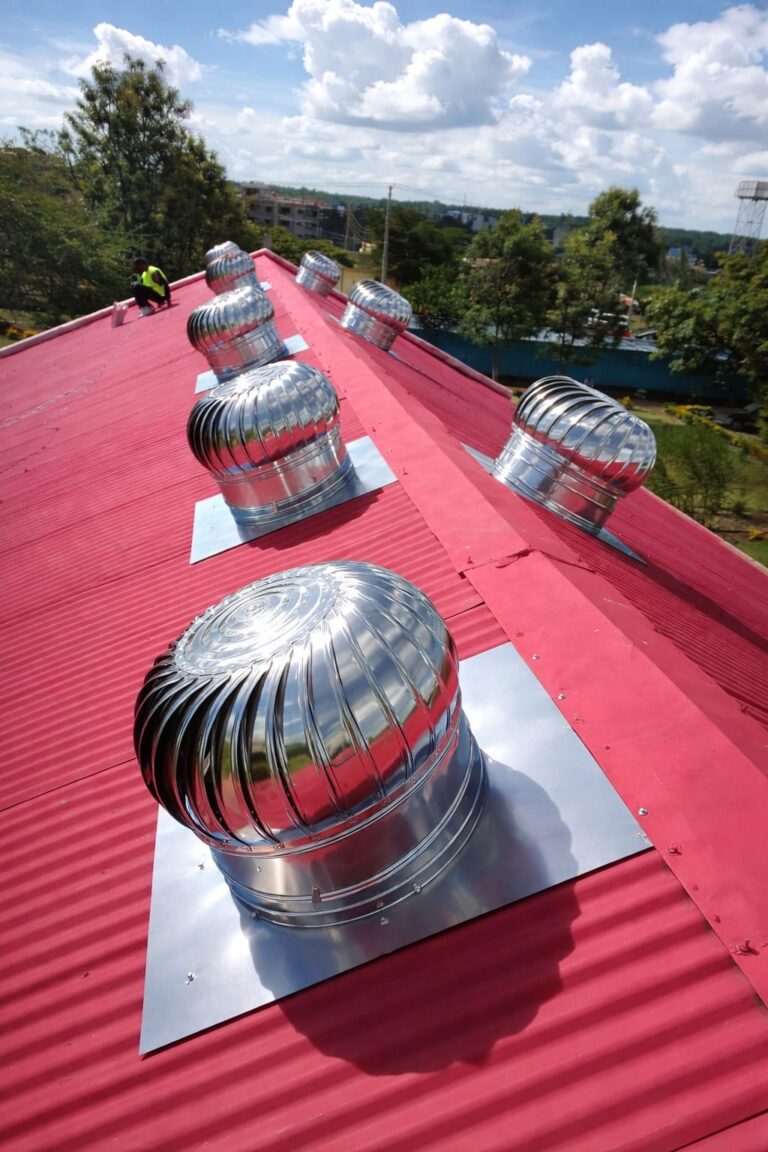
Do roof ventilators leak? It’s one of the first questions homeowners, farmers and business owners ask before they buy. After all, fitting a ventilator means cutting a hole in your roof, and nobody wants water dripping onto their ceiling, stock or chickens.
Here’s the honest answer: a good cyclone ventilator that has been installed properly does not leak. However, a poorly installed one can. In other words, leaks almost always come from the installation, not from the ventilator itself.
In this guide, we explain why some ventilators leak, how to fix them, and how to make sure yours stays dry for years.
How a Cyclone Ventilator Keeps Rain Out
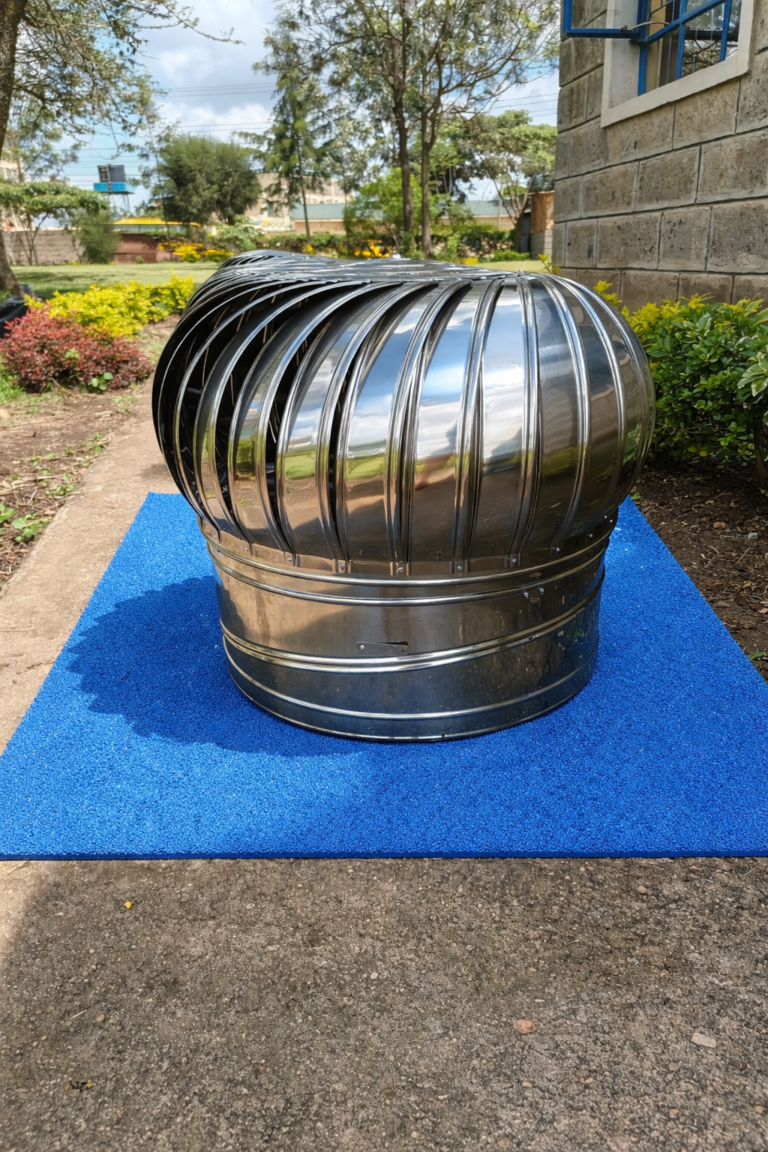
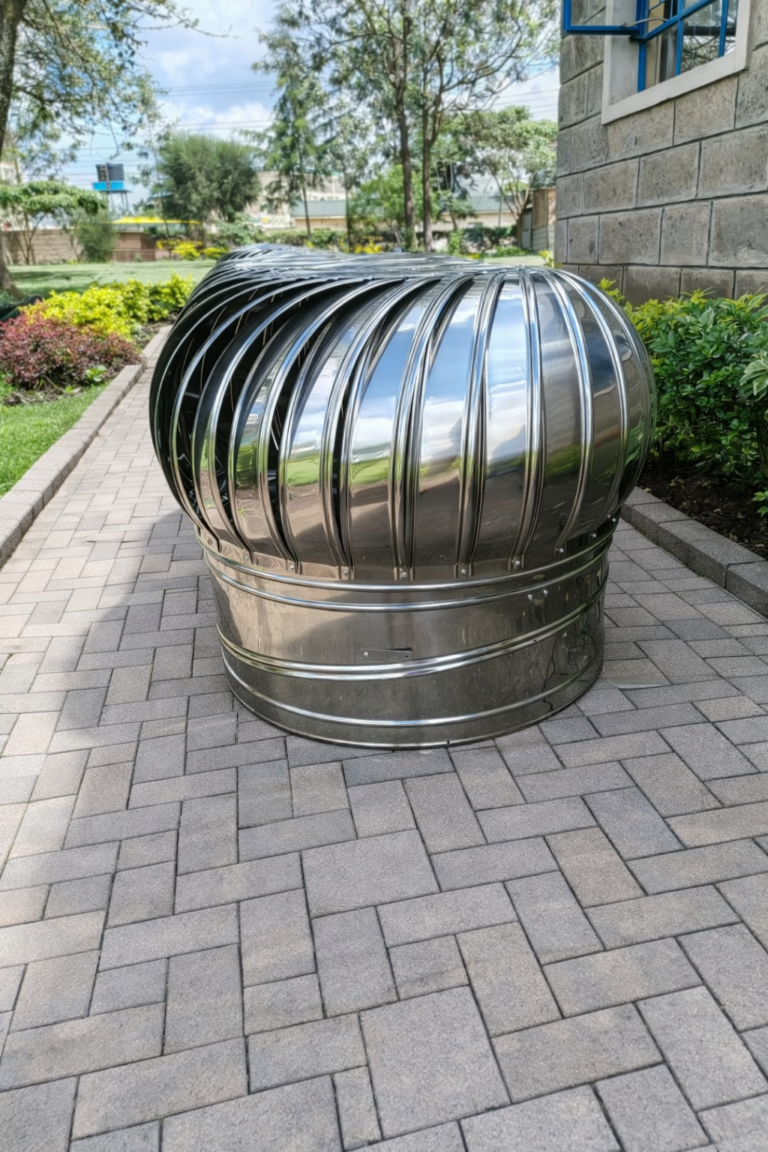
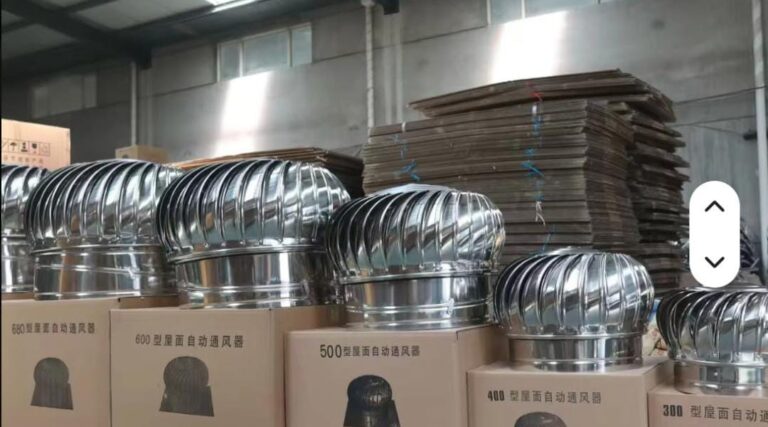
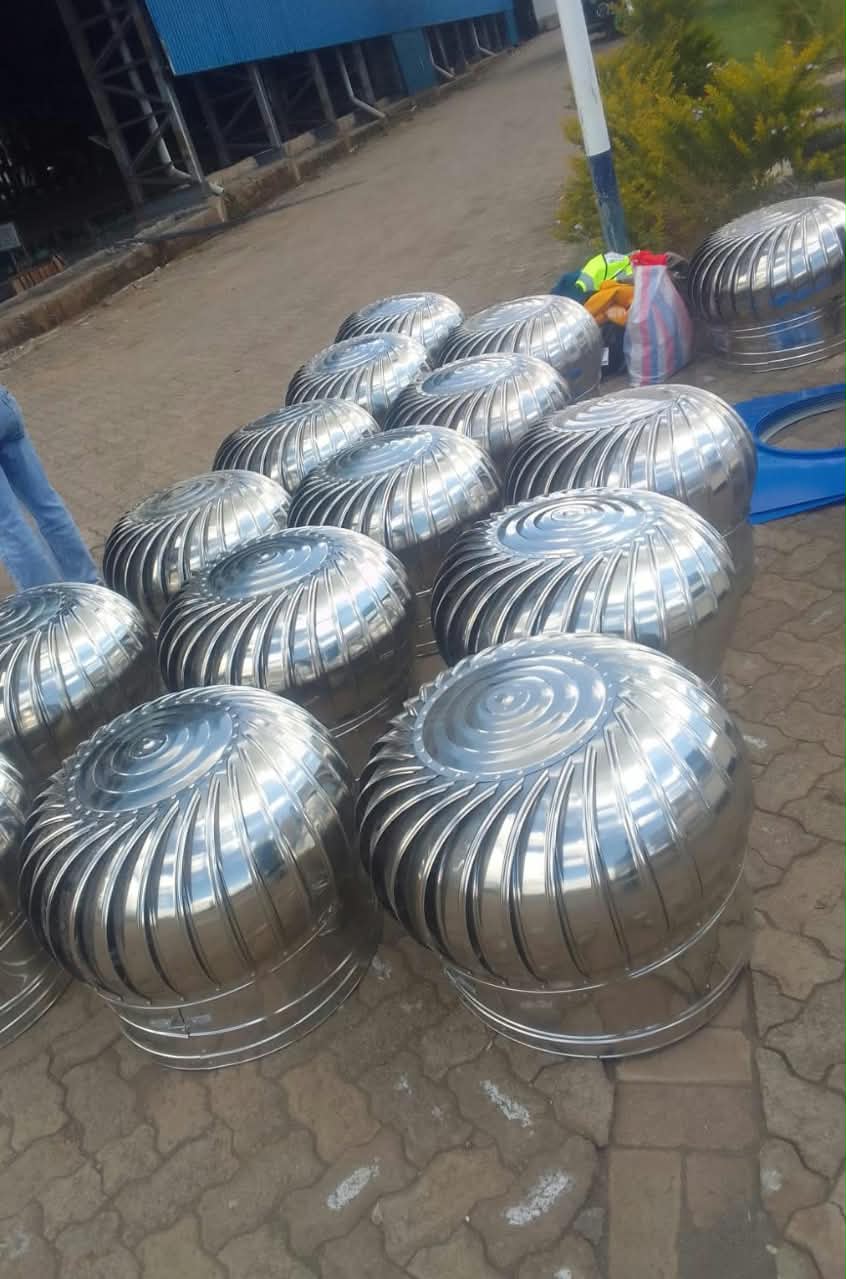
First, it helps to understand the design. A cyclone ventilator, also called a turbine ventilator, has curved, overlapping vanes. When it spins, those vanes throw raindrops outwards, away from the opening.
In addition, the ventilator sits on a raised base, sometimes called a throat or neck. As a result, water running down the roof flows around the base rather than into it.
Finally, the base is sealed to the roof sheets. This seal is the most important part, because it’s where almost all leaks begin.
The 6 Real Causes of Roof Ventilator Leaks
1. Poor sealing around the base
By far the most common cause. If the installer uses too little sealant, the wrong sealant, or skips sealing altogether, rain seeps in around the edges.
2. The opening was cut too big or in the wrong place
When the hole is larger than the base, gaps remain. Similarly, cutting across purlins or roof joints makes a tight seal much harder.
3. The ventilator isn’t level
On a sloping roof, the base must be adjusted so the ventilator stands upright. Otherwise, it tilts, the vanes don’t shed water properly, and the seal gets strained.
4. Old or cracked sealant
Over time, sun and heat can dry out cheap sealant. Consequently, small cracks open up, especially on old installations.
5. Rust on cheap ventilators
Ventilators made from low-grade metal can rust through. Once rust holes appear, water gets in. That’s why stainless steel matters, particularly in humid areas and at the coast.
6. Loose fixings
If the screws or rivets holding the base loosen, the ventilator can shift in strong wind. As a result, the seal breaks.
Signs Your Roof Ventilator Is Leaking
- Brown water stains on the ceiling around the ventilator
- Drips during or after heavy rain
- Rust streaks on the roof sheets below the ventilator
- Damp or mouldy patches in the roof space
- The ventilator wobbles or looks tilted
If you notice any of these, act early. Otherwise, a small leak can damage ceilings, insulation and stock.
How to Fix a Leaking Roof Ventilator
The right fix depends on the cause:
- Reseal the base. First, clean off the old sealant, then apply fresh roofing sealant all around the base. For most leaks, this alone solves the problem.
- Tighten or replace the fixings. If the base is loose, secure it firmly before resealing.
- Level the ventilator. Where it’s tilted, adjust the base so the ventilator stands upright.
- Replace a rusted unit. Once the metal has rusted through, sealing won’t help, so replacing it with a stainless steel ventilator is the lasting fix.
- Redo a badly cut opening. In some cases, the opening needs a new base plate or a patch, so the seal can sit properly.
Safety note: working on a roof is dangerous, especially when it’s wet. Therefore, we recommend leaving roof repairs to a trained team.
How to Make Sure Your Ventilator Never Leaks
Prevention is simpler than repair:
- Choose stainless steel, because it resists rust far longer than ordinary metal. See our Stainless Steel Cyclone Roof Ventilator.
- Use an experienced installer, who cuts the opening to size, levels the unit and seals it thoroughly.
- Fit the right base for your roof’s slope and sheet type.
- Check your ventilators once a year, ideally before the long rains.
In roofing, the material used to seal joints and openings against water is called flashing. Done well, it keeps a roof watertight for many years.
Does It Matter What Building It’s On?
The answer is the same for every building, but the stakes differ:
- Homes: because a leak stains ceilings and damages furniture
- Poultry houses: since wet litter quickly leads to ammonia and unhealthy birds
- Warehouses and factories: where one drip can ruin stock
- Churches and schools: because large roofs need many ventilators, so every one must be sealed well
Our Installation Keeps Roofs Dry
At Bioflex Insulation Ltd, every ventilator we fit is cut to size, levelled and sealed thoroughly. Then, before we leave, we check that each one spins freely and that the roof is watertight.
To learn how we work, see Roof Ventilator Installation in Kenya.
Already have a leaking ventilator? In that case, send us a photo on WhatsApp, and we’ll tell you whether it needs resealing or replacing.
Conclusion
So, do roof ventilators leak? Not when they’re good quality and properly installed. In fact, leaks are almost always caused by poor sealing, a badly cut opening, a tilted unit or rust. Therefore, choosing stainless steel and an experienced installer is the best way to keep your roof dry.
Planning to install ventilators, or fixing a leaking one? Contact Bioflex Insulation Ltd for supply, installation and repairs across Kenya.
+254 722 664 867 | Chat on WhatsApp | info@bioflexinsulationlimited.co.ke
Frequently Asked Questions
1. Do roof ventilators leak when it rains?
Not when installed properly. Because the vanes throw rain outwards and the base is sealed, water stays out.
2. Why is my roof ventilator leaking?
Usually, it’s poor sealing around the base. Other causes include a tilted unit, loose fixings, old sealant or rust.
3. How do I fix a leaking roof ventilator?
In most cases, cleaning off the old sealant and resealing the base solves it. However, a rusted unit needs replacing.
4. Do stainless steel ventilators leak?
Stainless steel doesn’t rust through easily, so it avoids rust-related leaks. Still, it must be sealed properly.
5. Can a ventilator leak in heavy storms?
A well-installed ventilator handles normal heavy rain. In rare, extreme storms, wind-driven rain can be a challenge, which is why correct fitting matters.
6. How often should I check my roof ventilators?
At least once a year, ideally before the rainy season.
7. Can you repair ventilators installed by someone else?
Yes. Send us a photo, and we’ll advise whether resealing or replacement is needed.