Roof Ventilators for Homes
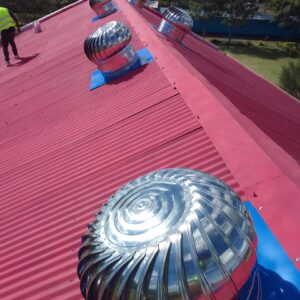
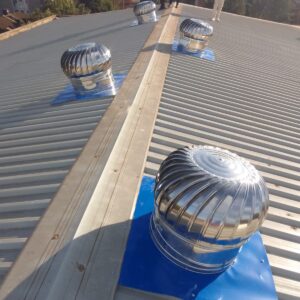
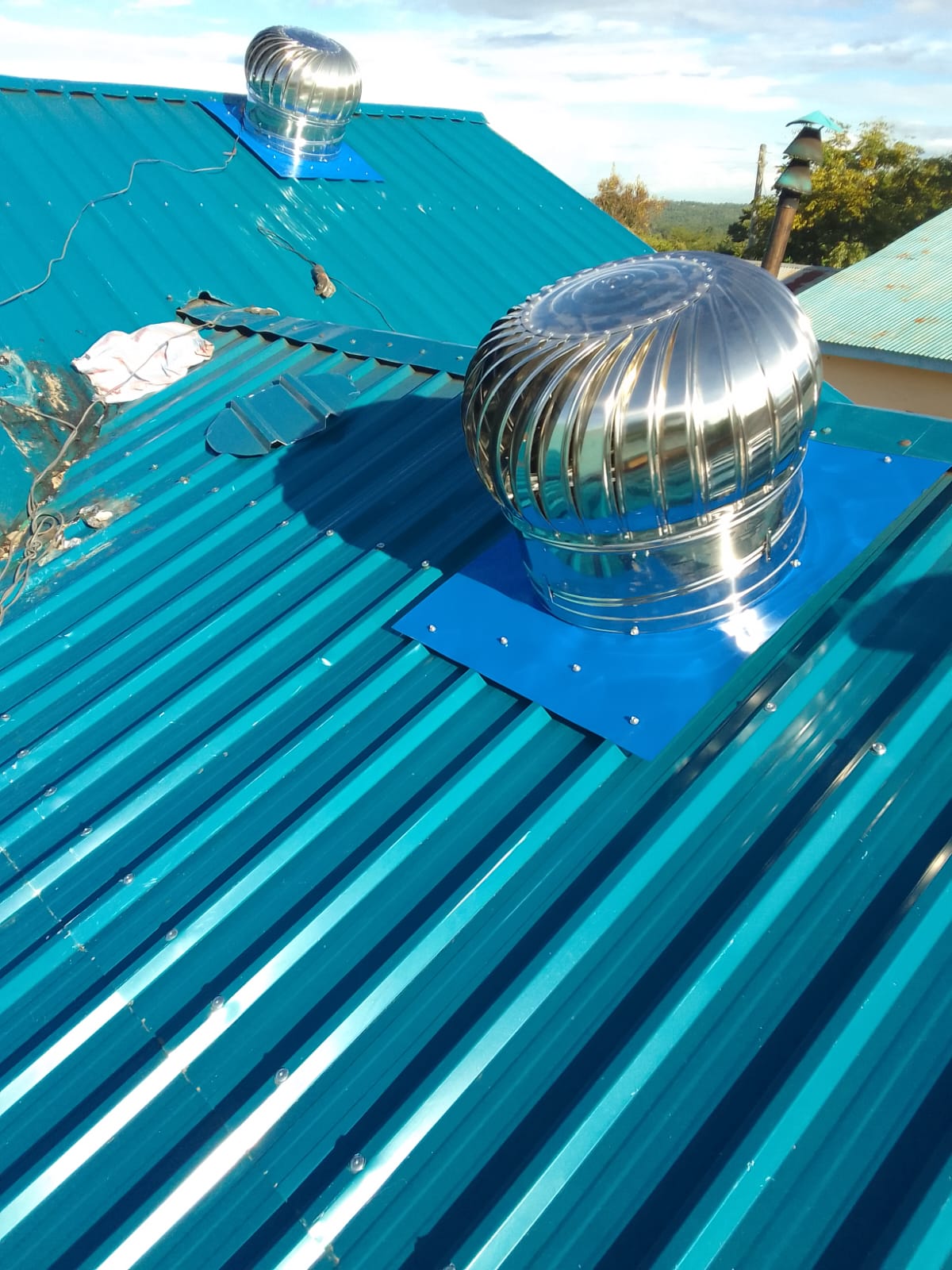
A roof ventilator for your house pulls trapped heat out of the roof and ceiling, so your rooms stay cooler, during the day and at night. Our small stainless steel cyclones (200mm–300mm) look neat on any roof, run quietly and need no electricity. They suit iron sheet, box profile and tiled homes across Kenya, with professional installation available.
Description
A Roof Ventilator for Your House: The Simple Way to a Cooler Home
A roof ventilator for your house is one of the easiest ways to make your home cooler, without buying an AC or paying higher power bills. Here’s why: in Kenya, many homes have iron sheet or box profile roofs. Under the sun, these roofs get very hot, and that heat collects in the roof space above your ceiling.
As a result, the ceiling slowly warms your rooms. Worse still, the heat stays trapped long after sunset. That’s why so many homes feel hottest in the evening and at night.
Iron sheet homes can get much hotter than traditional houses, and heatwaves are becoming more common. This has been reported across Kenya. Therefore, letting that trapped heat escape matters more than ever.
Signs Your Home Needs Roof Ventilation
- Rooms feel hot in the afternoon, especially upstairs or directly under the roof
- The house stays hot at night, even after the sun goes down
- The ceiling feels warm when you touch it
- Bathrooms stay damp, or mould appears on ceilings and walls
- Cooking smells and smoke linger in the kitchen
- Water drips from the roof on cold mornings (condensation)
If you notice any of these, hot, damp air is trapped in your roof with nowhere to go. For more warning signs, see Signs Your Building Has Poor Ventilation.
How a House Roof Ventilator Works
First, hot air rises into the roof space. Then the small spinning ventilator pulls it out, using only the wind. Meanwhile, cooler air replaces it through the eaves and other openings.
As a result:
- The roof space stays cooler, so less heat passes through the ceiling into your rooms
- The house cools down faster in the evening
- Moisture escapes, which helps prevent mould, rust and damp smells
- There’s no electricity to pay for, and it works even during power cuts
If your house has a ceiling, the ventilator clears the hot air from above it. In addition, we can advise on simple ceiling vents in kitchens and bathrooms, so steam and cooking smells escape too. To understand the full process, read How Cyclone Roof Ventilators Work.
Which Size Is Best for a House?
For homes, smaller sizes fit better and look neater:
- 200mm: bathrooms, toilets, small kitchens and single rooms
- 300mm: most bungalows, maisonettes and rental houses
- 400mm: large homes or houses with big, open roof spaces
For bigger buildings such as warehouses, poultry houses or churches, see the Stainless Steel Cyclone Roof Ventilator page for all sizes.
How Many Does a Home Need?
Most homes need 1–4 small ventilators, depending on the roof size and how hot the house gets. For example:
- A one or two-bedroom house: usually 1–2 ventilators
- A three or four-bedroom bungalow: usually 2–4 ventilators
- A large home or maisonette: sometimes more, based on roof shape
Because every roof is different, send us a photo of your roof, and we’ll recommend the right number.
For the full method, read: How Many Roof Ventilators Do I Need in Kenya?
Fits Any Home Roof
Our ventilators fit:
- Iron sheets (mabati) and box profile roofs
- Tiled roofs, including clay and stone-coated tiles
- New houses, as well as existing homes, without rebuilding the roof
Your Common Questions Answered
Will it leak when it rains?
No, as long as it’s installed properly. For this reason, our installers seal the base carefully. In addition, the ventilator is designed to keep rain out.
Will it make noise at night?
No. A well-installed ventilator runs quietly, so it won’t disturb your sleep.
Does it work when there’s no wind?
Yes. Hot air rises naturally, so it escapes even on calm evenings. Meanwhile, any breeze makes it spin faster.
Can thieves get in through it?
No. The opening is small, and the ventilator sits on the roof, so it isn’t a way in.
Even Cooler: Add Roof Insulation
A roof ventilator removes heat that has built up. In contrast, roof insulation stops much of the sun’s heat from coming through the iron sheets in the first place. As a result, homes with both feel noticeably cooler, and the roof also becomes quieter when it rains.
See: Roof Insulation Services with PE Foam in Kenya
Professional Installation for Homes
You can buy the ventilators only, or let our team fit them:
- First, we look at your roof, in person or from photos.
- Next, we recommend the right size, number and position.
- Then we fit and seal each ventilator neatly.
- Finally, we check that it spins freely and the roof is watertight.
To learn more, see: Cyclone Roof Ventilator Installation in Kenya and East Africa
Why Homeowners Choose Bioflex
- Small, neat stainless steel ventilators that suit any home
- Honest advice, so you only buy what your house needs
- Careful installation, with proper sealing against leaks
- One supplier for ventilation and insulation
- Delivery and installation in Nairobi and across Kenya
Building several rental units? If so, ask about bulk rates on our Wholesale Cyclone Roof Ventilators page.
How to Order
- First, send us a photo of your house, its size and your location on WhatsApp.
- Next, we recommend the size and number of ventilators.
- Then you receive your quote, with or without installation.
- Finally, we deliver or install at a time that suits you.
📞 +254 722 664 867 | 💬 Chat on WhatsApp | 📧 info@bioflexinsulationlimited.co.ke
Frequently Asked Questions
1. Does a roof ventilator for a house really reduce heat?
Yes. By pulling hot air out of the roof space, it reduces how much heat passes through the ceiling into your rooms.
2. Why is my house so hot at night?
Because heat collects in the roof space during the day, the ceiling keeps releasing it into the rooms after sunset. Therefore, a roof ventilator helps the house cool dow
3. Which size of roof ventilator is best for a house?
Most homes suit 300mm. Meanwhile, bathrooms and small rooms suit 200mm, and large homes may suit 400mm.
4. How many roof ventilators does a house need?
Most homes need 1–4. For example, a three-bedroom bungalow usually needs 2–4.
5. Can I install a roof ventilator on a tiled roof?
yes. They fit tiled roofs, as well as iron sheets and box profile
6. Will it work in a house with a ceiling?
Yes. It clears hot air from the space above the ceiling, so less heat reaches your rooms.
7. Do house roof ventilators need electricity?
No. They run on wind and rising hot air, so there are no running costs.
8. Do you install in homes outside Nairobi?
Yes. We deliver and install across Kenya.