Common Ventilation Fan Mistakes That Cause Poor Airflow
Common ventilation fan mistakes are the main reason many industrial and commercial buildings still feel hot, stuffy, or uncomfortable even after installing fans. In most cases, the issue is not a lack of equipment. Instead, poor airflow results from wrong fan selection, incorrect placement, or improper system design.
Therefore, identifying these mistakes early helps prevent wasted money, high energy bills, and ongoing ventilation complaints.
Common Ventilation Fan Mistakes in Industrial Buildings
1. Choosing the Wrong Type of Ventilation Fan
One of the most frequent ventilation fan mistakes is selecting the wrong fan type for the application. For example, axial fans work well for short air paths, while centrifugal fans are better for long duct runs.
However, when axial fans are installed where high pressure is required, airflow drops significantly. As a result, heat and fumes remain trapped inside the building.
Solution:
Match the fan type to the airflow path, duct length, and resistance. When in doubt, compare axial, centrifugal, inline, and exhaust options in the Ventilation Fans category.
2. Incorrect Ventilation Fan Size
Another common mistake involves installing fans that are either too small or too large. Undersized fans fail to move enough air. Oversized fans, on the other hand, waste energy and create excessive noise.
Consequently, both scenarios lead to inefficient ventilation and higher operating costs.
Solution:
Calculate airflow requirements based on room size, heat load, and air change rates before selecting a fan.
3. Poor Fan Placement Causes Airflow Problems
Even the right fan can perform poorly if installed in the wrong location. For instance, placing exhaust fans too low prevents hot air from escaping effectively.
Moreover, installing fans without considering airflow direction creates short-circuits where fresh air exits before circulating.
Solution:
Place fans strategically to support natural airflow patterns. In addition, combine exhaust fans with fresh air inlets for balanced ventilation.
4. Ignoring Ducting Resistance
Many ventilation fan mistakes occur when ducting resistance is ignored. Long ducts, sharp bends, and poorly sealed joints increase pressure loss.
As a result, fans struggle to deliver the required airflow.
Solution:
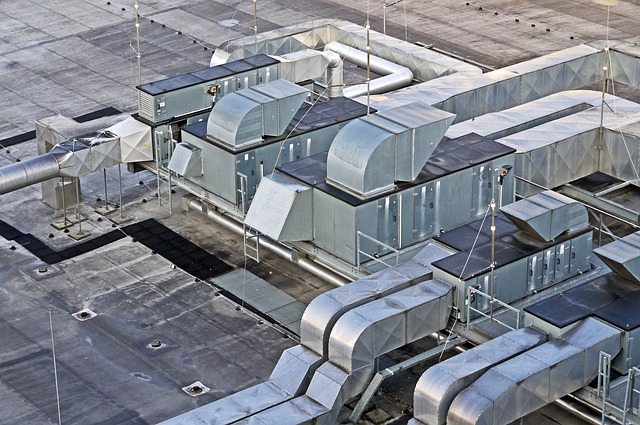
Use proper duct sizing, smooth bends, and sealed joints. For long or complex duct systems, select higher-pressure fans such as centrifugal or inline duct fans.
5. No Ventilation System Integration
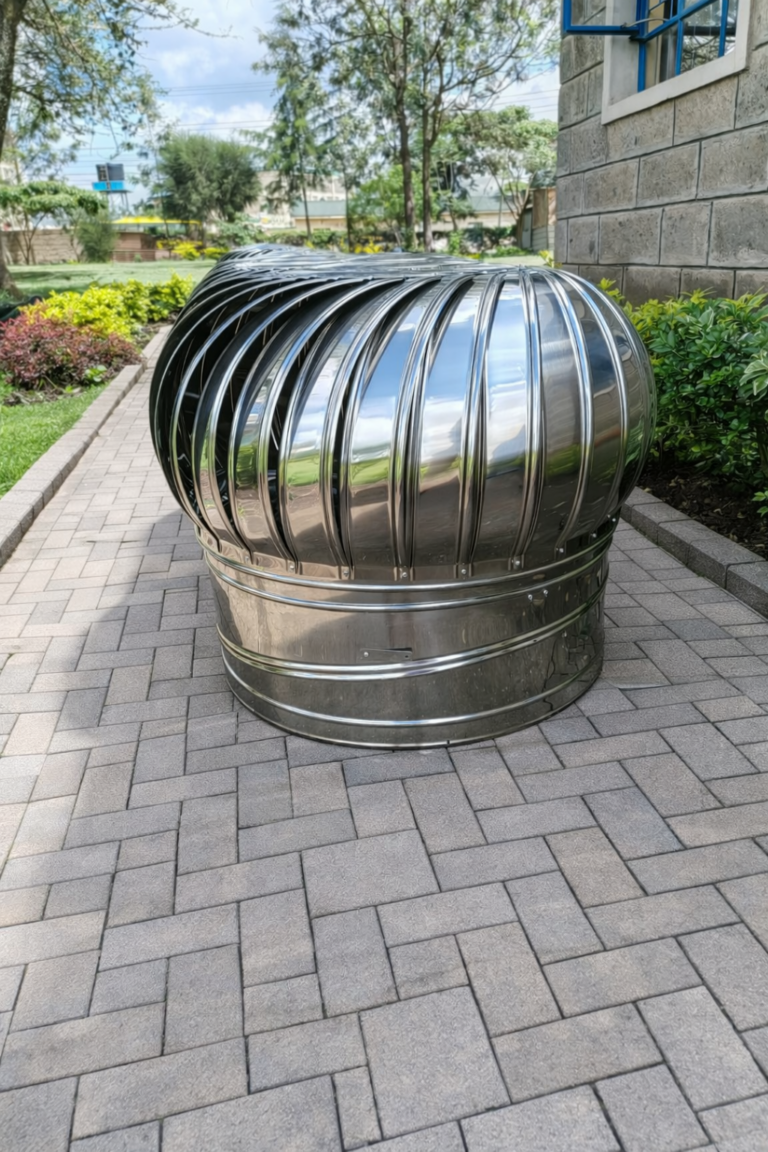
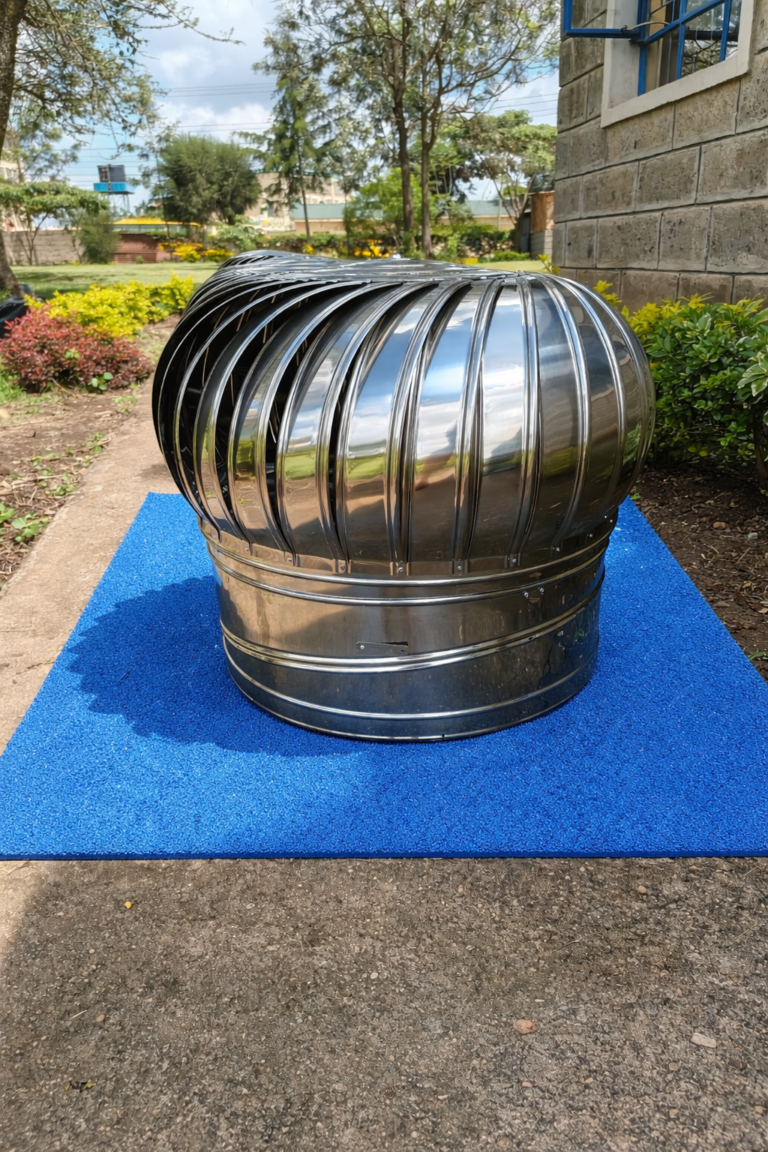
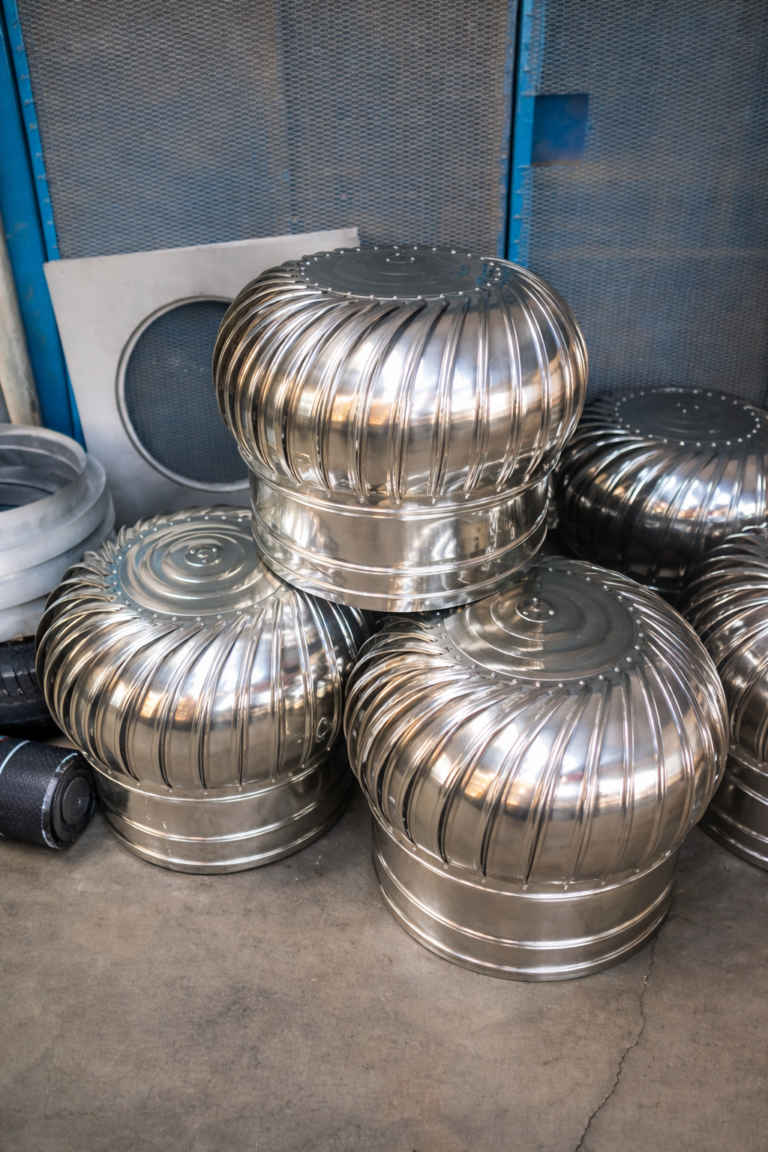
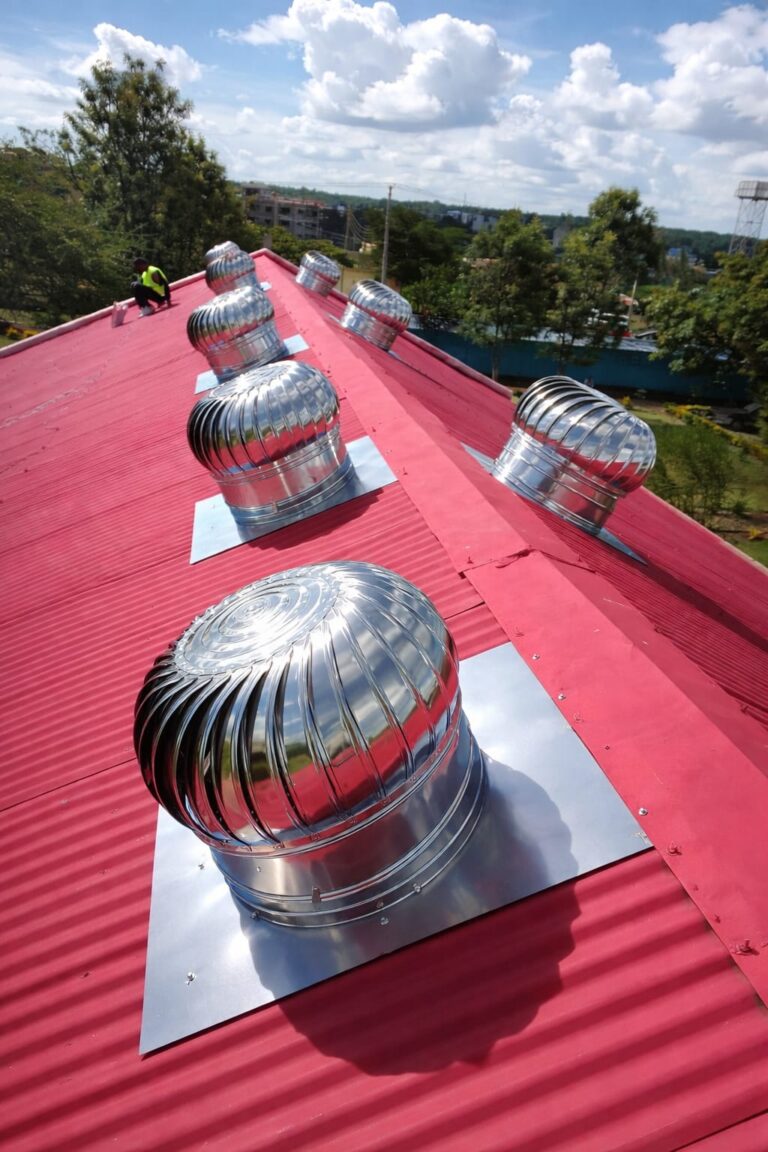
Installing fans without considering the entire system often leads to poor performance. For example, fans installed without roof ventilators or airflow outlets trap heat at ceiling level.
Therefore, airflow becomes uneven and ineffective.
Solution:
Design ventilation as a system. Combine fans, ducting, grilles, diffusers, and roof ventilators to allow air to move freely.
How to Avoid Ventilation Fan Mistakes Altogether
To avoid common ventilation fan mistakes, always:
- Assess airflow requirements first
- Select the correct fan type
- Consider ducting length and layout
- Install fans at proper locations
- Integrate fans with the full ventilation system
You can explore complete ventilation solutions that combine fans, ducting, and accessories on the main Ventilation page.
According to the Energy.gov ventilation guide, proper ventilation design improves indoor air quality, controls heat buildup, and supports a safer working environment
Frequently Asked Questions
This often happens due to the wrong fan type, poor placement, or inadequate airflow design
No. Effective ventilation usually requires multiple components working together.
Some do. Ducted systems require higher-pressure fans, while open spaces may not.
Weak airflow, high temperatures, and constant operation are common signs.
Final Advice
Avoiding common ventilation fan mistakes saves time, energy, and money. A properly selected and installed fan improves comfort, protects equipment, and supports safe working conditions.
Bioflex Insulation Ltd supplies reliable ventilation fans and complete ventilation solutions across Kenya, Tanzania, Uganda, Rwanda, Zambia, and Ethiopia.