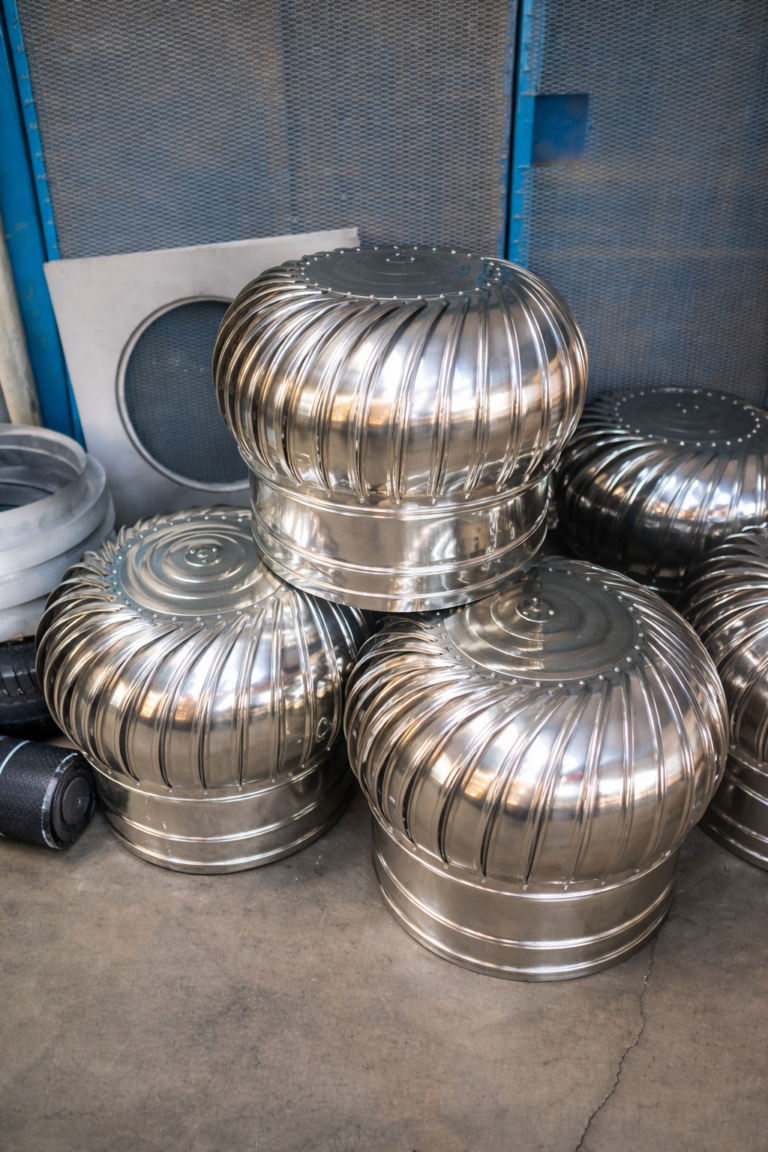
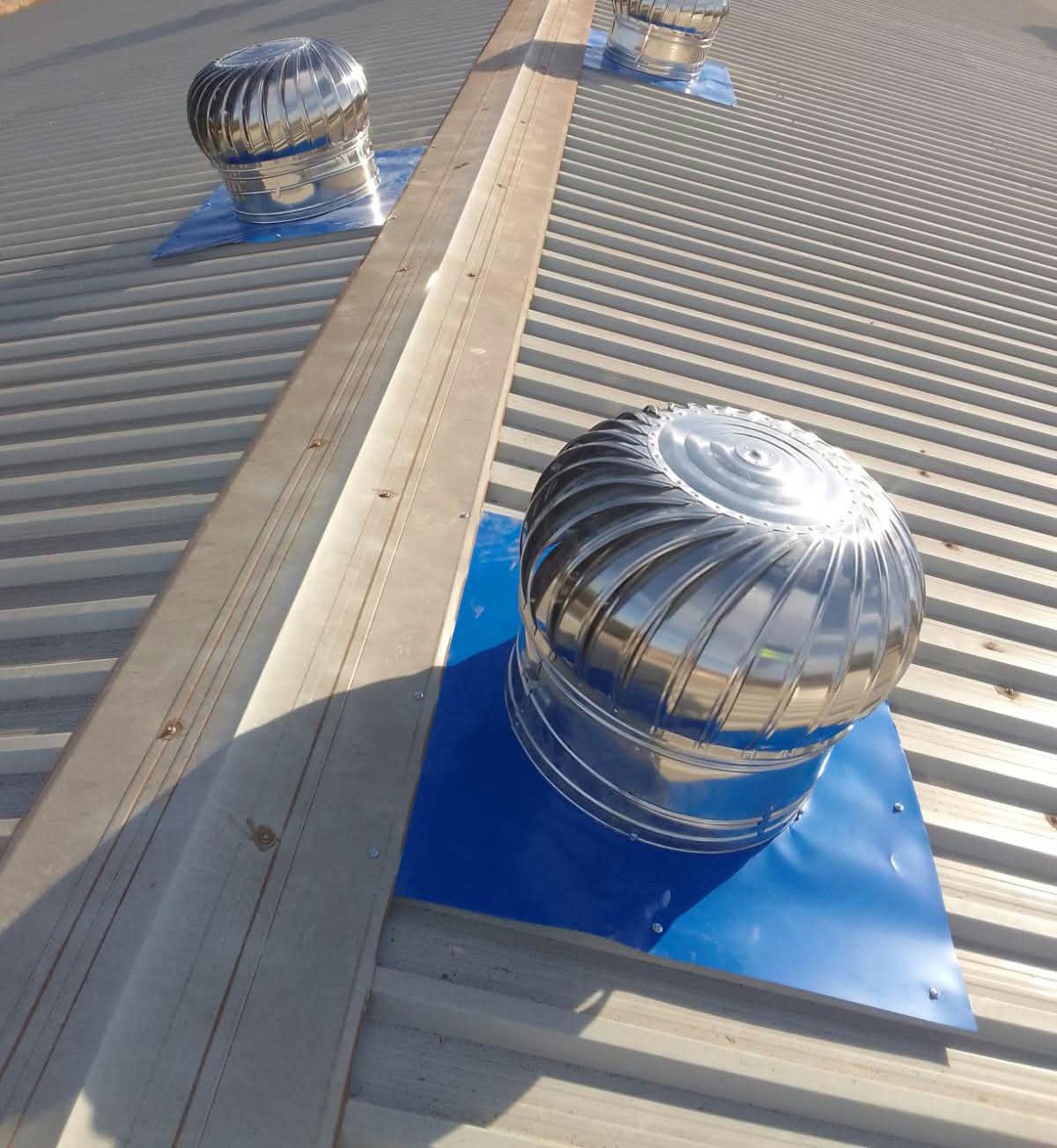
Do Cyclone Ventilators Work Without Wind?
Do cyclone ventilators work without wind? It’s a fair question. After all, they’re often called “wind-driven” ventilators, so many people assume they stop working the moment the wind drops.
The short answer is yes, they still work. However, they work differently on calm days than on windy ones. In this guide, we explain what really happens, so you know what to expect before you buy.
Two Forces Drive a Cyclone Ventilator
A cyclone ventilator is powered by two things, not one:
1. Rising hot air (the stack effect)
Hot air is lighter than cool air, so it rises to the top of your building. Because the ventilator sits at the highest point of the roof, that hot air escapes through it naturally. At the same time, cooler air flows in through doors, windows and lower openings. This is called natural ventilation, and it works even when the air outside is completely still.
2. Wind
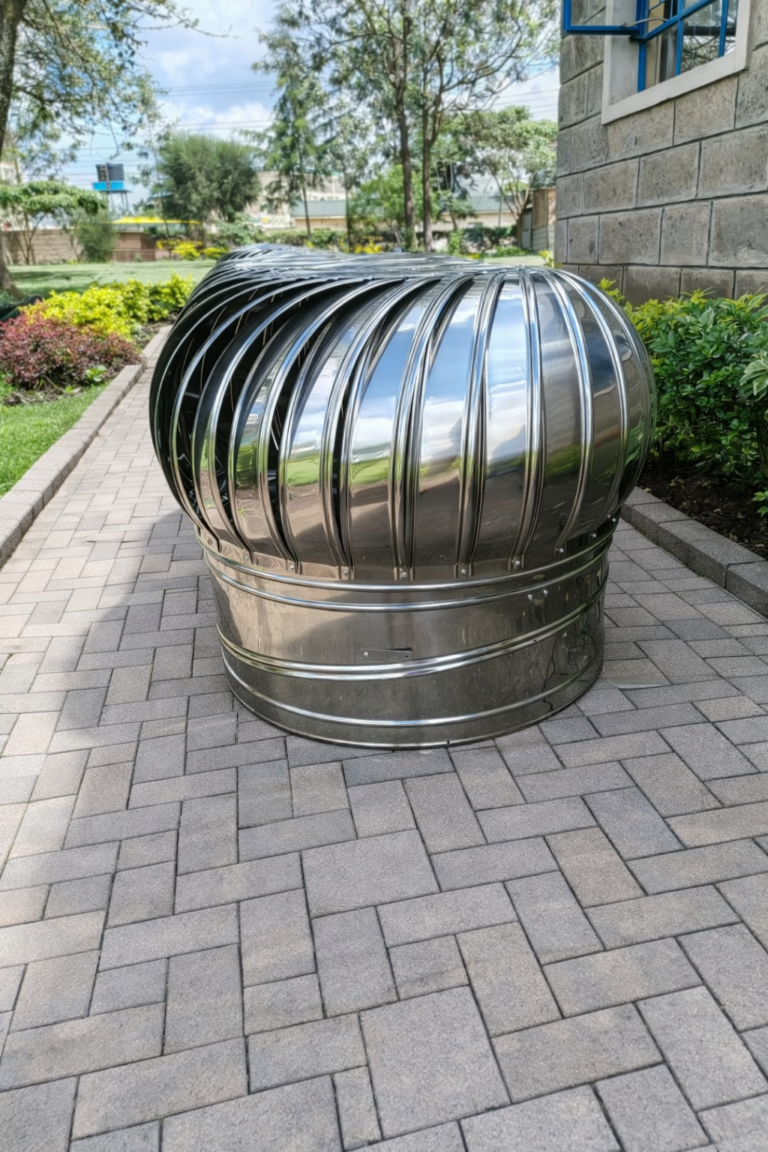
When the wind blows, it spins the turbine. As a result, the spinning vanes create suction, which pulls out much more hot air than rising heat alone.
In other words, wind boosts the ventilator, but it isn’t the only thing that makes it work.
What Happens on a Calm Day?
On a still day, the turbine may turn slowly or not at all. However, the opening at the top of the roof stays open, so hot air keeps rising out of it.
Of course, extraction is lower than on a windy day. Even so, a roof with ventilators releases far more trapped heat than a sealed roof with nowhere for the heat to go.
Interestingly, the hotter it is inside, the stronger the rising air becomes. Therefore, on hot, still afternoons, when you need ventilation most, the stack effect is working hard.
Do Cyclone Ventilators Work at Night?
Yes. In fact, night is when many buildings in Kenya need ventilation most.
Here’s why: iron sheet roofs absorb heat all day. After sunset, that stored heat keeps warming the roof space, which is why so many homes feel hottest in the evening. Meanwhile, people, chickens and machines keep adding heat and moisture inside.
As a result, the air inside stays warmer than the air outside, so it keeps rising out through the ventilator. On top of that, evening breezes are common in many parts of Kenya, which spin the turbines faster.
This matters especially for:
- Homes, where rooms under iron sheets stay hot long after dark
- Poultry houses, because birds keep producing heat, moisture and ammonia through the night
- Boarding school dormitories, since many people sleep in one room
“My Ventilator Isn’t Spinning. Is It Broken?”
Not necessarily. On calm days, a still turbine is normal, and hot air is still escaping.
However, check it if it doesn’t spin even when there’s a clear breeze. In that case, possible causes include:
- A worn or dry bearing
- Dirt, nests or debris blocking the vanes
- A bent or damaged turbine head
- A tilted unit, which causes the vanes to drag
These problems are usually simple to fix. Also, if a ventilator wobbles or tilts, check it for leaks too. See Do Roof Ventilators Leak?
How to Get the Best Performance, Even in Low Wind
If your building is in a sheltered spot, or your area has little wind, these steps help:
1. Place ventilators along the ridge
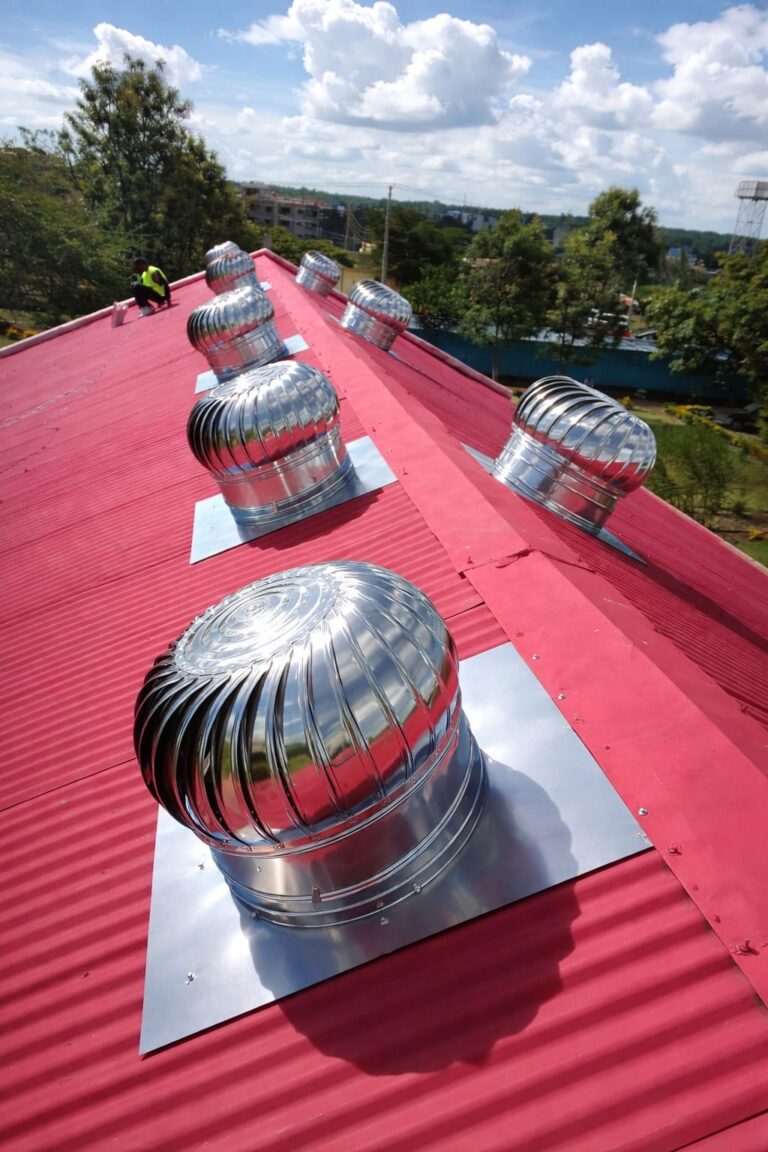
Because hot air collects at the highest point, ridge placement makes the most of rising air.
2. Give fresh air a way in
Ventilators pull air out, so air must be able to come in. Therefore, keep lower windows, vents or eaves open. Otherwise, even the best ventilator struggles.
3. Choose the right size and number
In low-wind areas, slightly larger units or a few extra units help. See Roof Ventilator Sizes Explained and How Many Roof Ventilators Do I Need?
4. Insulate the roof
When less heat enters through the iron sheets in the first place, the ventilators have less to remove. See Roof Insulation Services with PE Foam.
5. Add powered ventilation where it’s truly needed
For heavy smoke, fumes or buildings with almost no air movement, an electric fan can work alongside roof ventilators. See our Exhaust Ventilation Fan.
Cyclone Ventilator vs Electric Fan: Which Is More Reliable?
Each has its place:
- Cyclone ventilators need no electricity, so they keep working during power cuts, and they cost nothing to run.
- Electric fans give strong, steady airflow, but they stop when the power goes off, and they add to your power bill.
For most homes, farms, churches and warehouses, cyclone ventilators handle general heat removal well. Meanwhile, fans are best for specific jobs, such as extracting cooking smoke or welding fumes at the source.
Where Wind Helps Most in Kenya
Wind conditions vary from place to place. For example, open areas, hilltops and the coast often get regular breezes, while buildings surrounded by taller structures may get less.
Either way, the stack effect works everywhere. So, cyclone ventilators suit buildings in Nairobi, the highlands, the Rift Valley and the coast. At the coast, stainless steel is especially important, because salty, humid air quickly rusts ordinary metal.
How Cyclone Ventilators Work: The Full Picture
To understand the whole process, step by step, read How Cyclone Roof Ventilators Work in Kenya.
Get the Right Setup for Your Building
At Bioflex Insulation Ltd, we look at your building, your roof and your location, then recommend the right size, number and placement, so your ventilators work well in all conditions.
- See our Stainless Steel Cyclone Roof Ventilator range
- Learn about Roof Ventilator Installation
+254 722 664 867 | Chat on WhatsApp | info@bioflexinsulationlimited.co.ke
Conclusion
So, do cyclone ventilators work without wind? Yes. Rising hot air keeps escaping through them on calm days and at night, while wind makes them work even harder. For the best results, place them along the ridge, give fresh air a way in, choose the right size, and consider insulating the roof.
Frequently Asked Questions
1. Do cyclone ventilators work without wind?
Yes. Hot air rises and escapes through them naturally. However, wind increases how much air they remove.
2. Do roof ventilators work at night?
Yes. Because the roof and building stay warm after sunset, warm air keeps rising out.
3. Why is my roof ventilator not spinning?
On calm days, that’s normal. But if it doesn’t spin in a clear breeze, check the bearing, debris or a tilted unit.
4. How much wind does a cyclone ventilator need to spin?
Only a light breeze. Even so, it still releases hot air when it’s not spinning.
5. Are cyclone ventilators better than electric fans?
For general heat removal, they’re cheaper to run and work during power cuts. For heavy smoke or fumes, fans can help too.
6. Do cyclone ventilators work in Nairobi?
Yes. They work in Nairobi, the highlands, the Rift Valley and the coast.
7. What if my building has very little wind?
In that case, place units along the ridge, keep lower openings clear, and consider extra units or roof insulation.