How to Choose the Right Ventilation Fan for Your Factory or Warehouse
How to choose the right ventilation fan for your factory or warehouse is one of the most common questions asked by building owners and operations managers. Although many facilities install fans, poor airflow, excess heat, and high energy costs still occur when the wrong fan is selected.
Therefore, choosing the correct ventilation fan requires understanding your building layout, airflow needs, and operating conditions before making a purchase.
Why Choosing the Right Ventilation Fan Matters
Factories and warehouses generate heat, fumes, dust, and moisture. If airflow is inadequate, indoor temperatures rise, and working conditions worsen. As a result, productivity drops and equipment lifespan reduces.
Moreover, selecting the wrong fan often leads to unnecessary upgrades later. That is why proper fan selection at the beginning saves both time and money.
If you are unsure which fan types exist, start by reading Which Ventilation Fan Is Best for Industrial Buildings?, which explains axial, centrifugal, exhaust, inline, and roof ventilators in simple terms.
Step 1: Understand Your Building Type and Size
The first step in choosing the right ventilation fan is understanding your space.
For example:
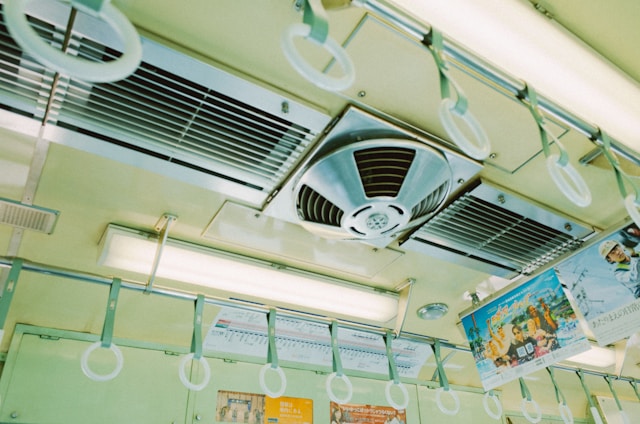
- Open factories with minimal ducting often suit axial fans
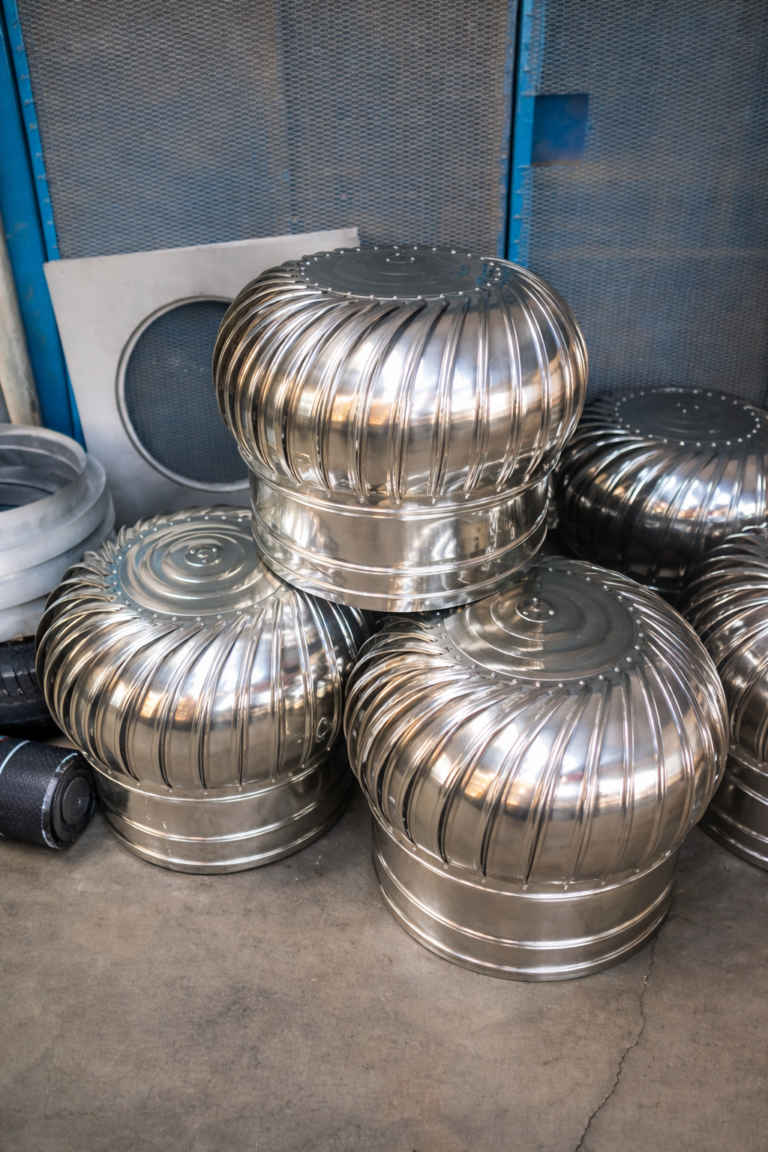
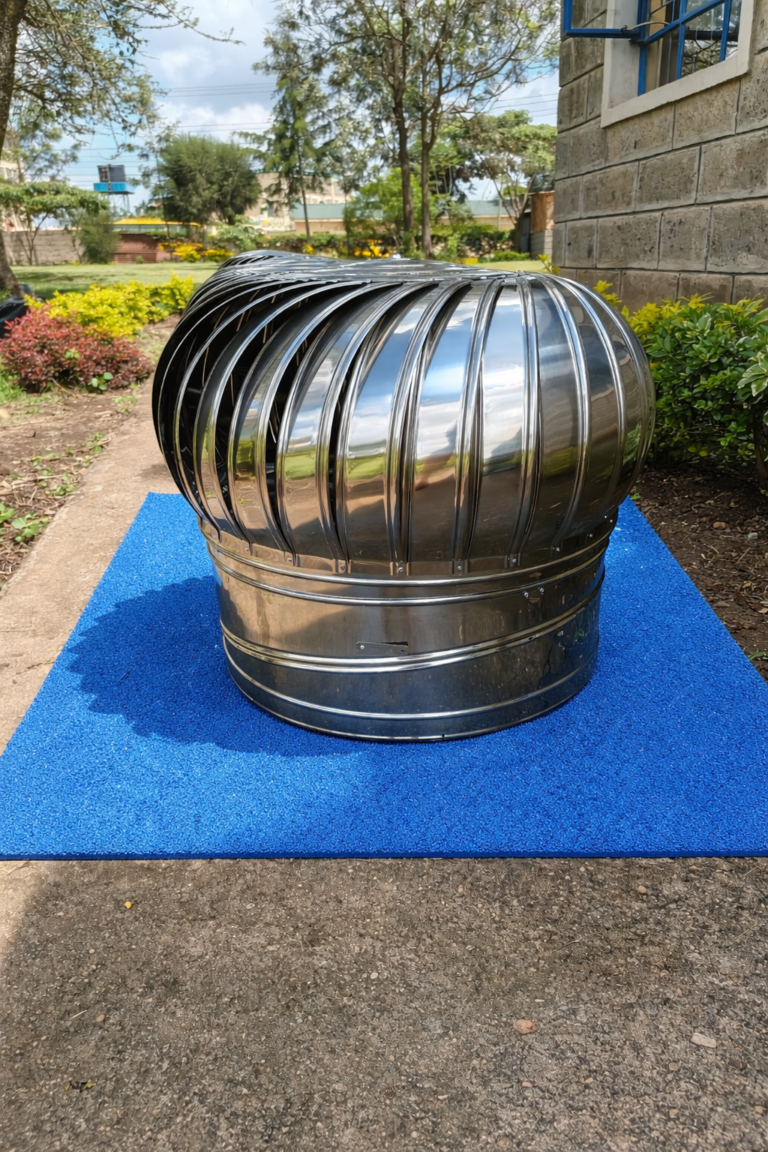
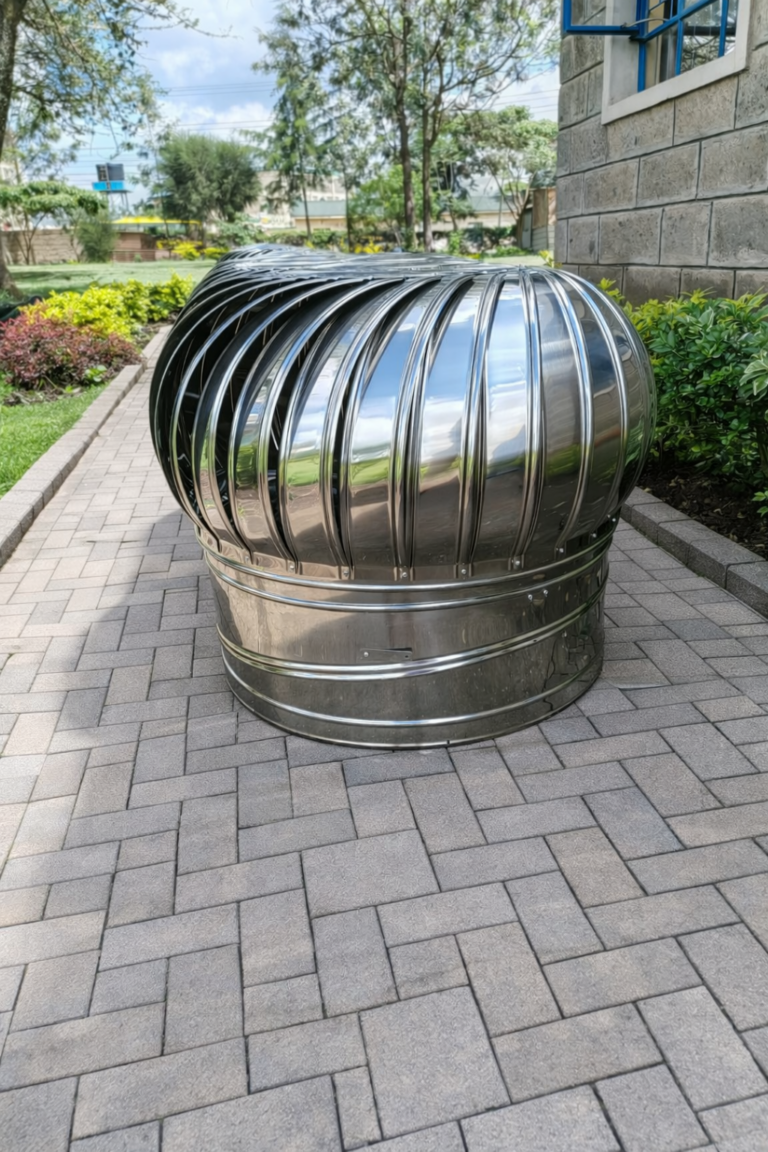
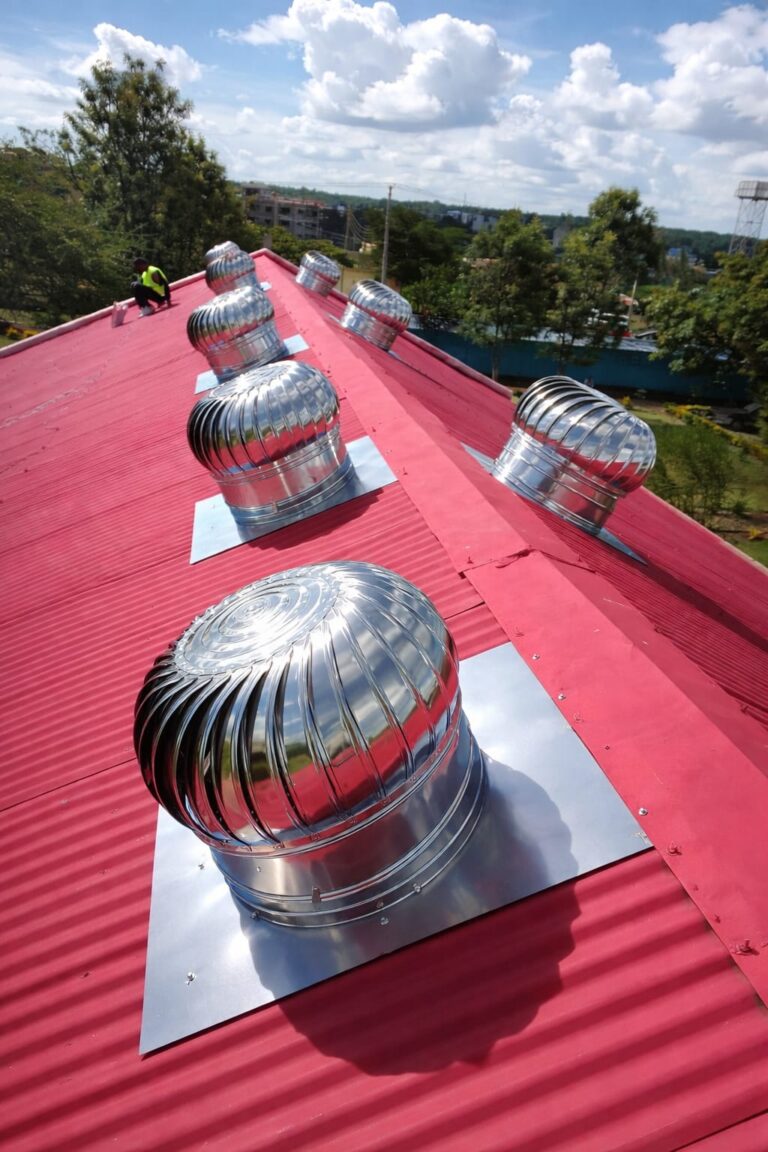
- Warehouses with high ceilings benefit from roof ventilators
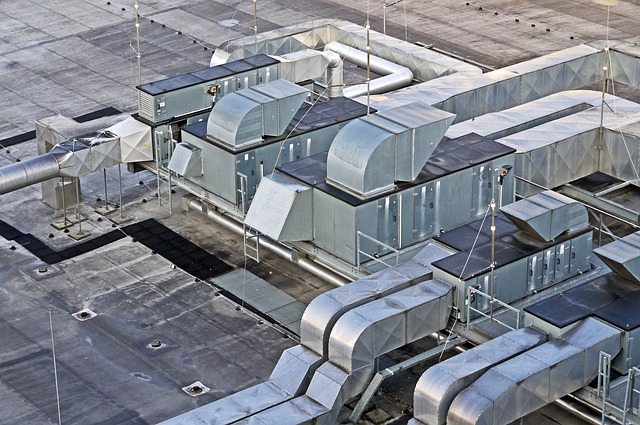
- Ducted systems require centrifugal or inline duct fans
Consequently, building height, floor area, and ceiling design all influence fan choice.
Step 2: Identify the Main Ventilation Problem
Next, identify what problem you are trying to solve.
Common ventilation problems include:
- Excess heat buildup
- Poor airflow in corners or work zones
- Fumes, smoke, or dust accumulation
- Moisture and condensation
c c However, many facilities install fans without solving the real issue. As explained in Common Ventilation Fan Mistakes That Cause Poor Airflow, incorrect fan selection often worsens airflow problems.
Step 3: Consider Ducting and Airflow Resistance
Ducting length and layout play a major role in fan performance. Long ducts, sharp bends, and filters increase airflow resistance.
Therefore:
- Short airflow paths → axial or exhaust fans
- Long or complex ducting → centrifugal or inline duct fans
Ignoring duct resistance is one of the main reasons fans underperform.
Step 4: Choose the Correct Ventilation Fan Type
Choosing the right fan type is critical.
Axial ventilation fans
Best for high airflow over short distances with low resistance.
Centrifugal ventilation fans
Ideal for high-pressure systems and long duct runs.
Inline duct fans
Used to boost airflow inside duct systems.
Exhaust ventilation fans
Remove hot or contaminated air from enclosed areas.
Roof ventilators
Allow hot air to escape naturally from high roof points.
You can explore all available options in the Ventilation Fans category for comparison.
Step 5: Think About Energy Efficiency and Noise
In addition to airflow, energy use and noise levels matter. Oversized fans waste power, while undersized fans run continuously.
As a result, selecting the right size improves efficiency and reduces operational costs. In occupied spaces, quieter fans also improve comfort.
Industry Reference (Outbound Link)
According to the Energy.gov ventilation guide, properly designed ventilation systems improve indoor air quality, control heat buildup, and support safer industrial environments.
Source: https://www.energy.gov/energysaver/ventilation
Final Advice
Choosing the right ventilation fan for a factory or warehouse requires more than picking the biggest unit available. Instead, consider airflow needs, ducting layout, heat sources, and operating conditions.
Bioflex Insulation Ltd supplies reliable ventilation fans and complete ventilation solutions across Kenya, Tanzania, Uganda, Rwanda, Zambia, and Ethiopia, with technical support to help you select the right option.
Frequently Asked Questions
Assess building size, heat sources, and ducting layout before selecting a fan.
No. Many buildings require a combination of fan types
Yes. Long duct runs require higher-pressure fans.
No. They work best as part of a complete ventilation system.