Styrofoam Boxes for Meat and Fish Preservation in Kenya
Styrofoam boxes for meat and fish are widely used in Kenya to reduce spoilage during transport, market storage, and temporary cold holding where refrigeration is limited.. High ambient temperatures, unreliable cold storage, and delayed logistics often lead to rapid spoilage, financial losses, and food safety risks.
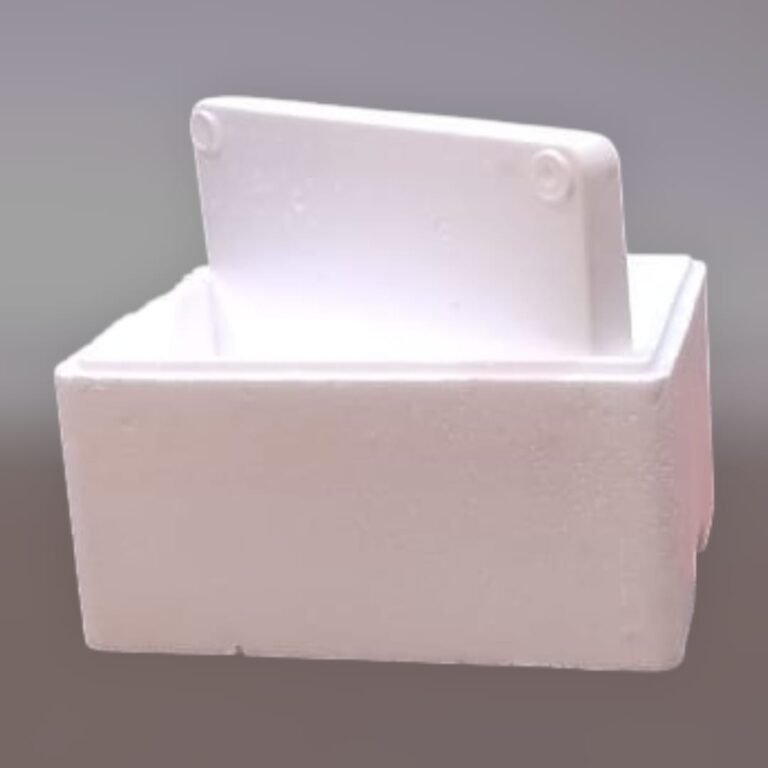
Styrofoam boxes (EPS boxes) provide a practical, cost-effective cold-chain solution for preserving meat and fish when refrigeration is limited or unavailable.
This guide explains how styrofoam boxes work, who uses them, why they outperform improvised containers, and how to choose the right box for meat and fish transport in Kenya.
Why Meat and Fish Spoil So Fast Without Proper Insulation
Fresh meat and fish are highly perishable because they:
- Contain high moisture content
- Support rapid bacterial growth above 4°C
- Lose freshness quickly when exposed to heat and air
In many Kenyan markets and transport routes:
- Cold rooms are unavailable or overloaded
- Ice melts too quickly in open containers
- Plastic crates offer no thermal protection
Without insulation, temperature rises rapidly, accelerating spoilage within hours.
How Styrofoam Boxes Preserve Meat and Fish
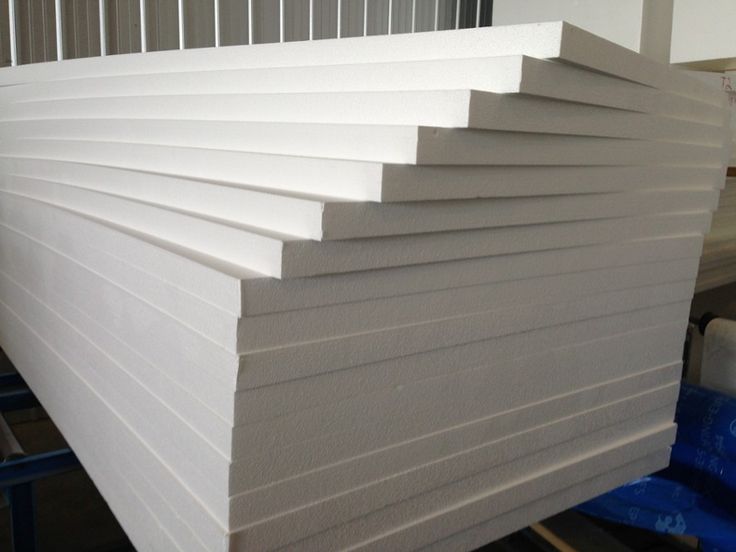
Styrofoam boxes are made from expanded polystyrene (EPS), a closed-cell material that traps air and slows heat transfer.Styrofoam boxes for meat and fish are especially effective in open markets, butcheries, and fish landing sites where temperature control is critical.
Key preservation benefits
- Maintains low internal temperatures for extended periods
- Slows bacterial growth
- Reduces moisture loss and dehydration
- Protects produce from direct sunlight and heat exposure
When used with ice or gel packs, EPS boxes can keep meat and fish cold for many hours or even days, depending on box thickness and handling.
Who Uses Styrofoam Boxes for Meat and Fish in Kenya?
1. Fishermen and Fish Traders
- Transport fresh fish from landing sites to markets
- Preserve catch quality before processing or sale
- Reduce losses caused by melting ice and heat
2. Butcheries and Meat Traders
- Store meat during market hours
- Transport carcasses and cuts between slaughterhouses and shops
- Maintain hygiene and freshness without constant refrigeration
3. Hotels, Restaurants, and Caterers
- Temporary cold storage for fresh meat and seafood
- Outdoor catering and off-site food preparation
4. Exporters and Aggregators
- Pre-cooling and holding before cold room transfer
- Short-distance insulated transport during collection
Styrofoam Boxes vs Plastic Crates for Meat and Fish
Plastic crates are widely used but do not provide insulation.
Key differences
| Feature | Styrofoam Boxes | Plastic Crates |
|---|---|---|
| Temperature control | Excellent | None |
| Ice retention | High | Very low |
| Spoilage reduction | Significant | Minimal |
| Hygiene | Easy to clean | Exposed |
| Suitability for long transport | High | Poor |
For a detailed comparison, see:
Styrofoam vs Plastic Crates
Using Ice with Styrofoam Boxes for Maximum Efficiency
Styrofoam boxes work best when paired with:
- Ice blocks
- Flake ice
- Gel ice packs
Best practice
- Pre-cool the box before loading
- Place ice at the bottom and top
- Avoid frequent opening
- Drain excess meltwater if required
This combination significantly extends preservation time even in hot weather.
Choosing the Right Styrofoam Box for Meat and Fish
When selecting a box, consider:
1. Box Thickness
Thicker walls provide better insulation and longer cooling duration.
2. Box Size
- Small boxes for retail transport
- Large boxes for wholesale and landing site use
3. Lid Fit
A tight-fitting lid reduces heat exchange and ice loss.
4. Food-Grade Quality
Ensure the box is suitable for food contact and easy to sanitize.
You can view available options here:
Styrofoam Boxes in Kenya
Cost Considerations and Bulk Supply
Styrofoam boxes are:
- Affordable compared to refrigeration equipment
- Reusable with proper handling
- Available in wholesale quantities
For pricing guidance, see:
Styrofoam Boxes Prices in Kenya
For bulk buyers and traders:
Wholesale Styrofoam Boxes in Kenya
Environmental Considerations and Responsible Use
While EPS is durable, responsible handling matters:
- Reuse boxes multiple times
- Avoid burning
- Partner with recycling programs where available
Learn more:
Reuse and Recycle Styrofoam Boxes in Kenya
Frequently Asked Questions (FAQs)
With adequate ice and minimal opening, meat can remain fresh for several hours to over a day, depending on external conditions and box thickness.
They are not a replacement for long-term cold storage but are ideal for transport, temporary holding, and market use.
Yes. They are suitable for fish, poultry, beef, goat, and processed meat products.
You can source reliable EPS boxes from specialized insulation and packaging suppliers.
See: Where to Buy Styrofoam Boxes in Kenya
Yes. Food-grade EPS boxes are safe for meat and fish storage when cleaned and handled properly.
Why Choose Bioflex Insulation Ltd?
Bioflex Insulation Ltd supplies high-quality styrofoam boxes designed for food preservation, transport, and cold-chain applications across Kenya.
Whether you serve open markets, butcheries, fishing communities, or commercial food businesses, Bioflex provides solutions that reduce spoilage, protect quality, and improve profitability.
Call us today: 0722664867