
Styrofoam Boxes for Ice Cream and Frozen Food Transport in Kenya
Styrofoam boxes for ice cream and frozen food are essential in Kenya’s hot climate, where maintaining low temperatures during delivery and storage is a constant challenge. Without proper insulation, ice cream melts quickly, frozen foods thaw, and businesses suffer losses due to spoilage and customer complaints.
For vendors, supermarkets, distributors, and delivery services, styrofoam boxes provide a reliable cold-chain solution that protects frozen products during transport and temporary holding.
Why Ice Cream and Frozen Foods Are Hard to Transport in Kenya
Frozen products require consistent low temperatures to remain safe and sellable. However, many delivery routes and retail setups face:
- High ambient temperatures
- Long transport distances
- Power interruptions affecting freezers
- Frequent opening during delivery
Once frozen food begins to thaw, product quality drops rapidly and refreezing compromises safety.
How Styrofoam Boxes for Ice Cream and Frozen Food Work
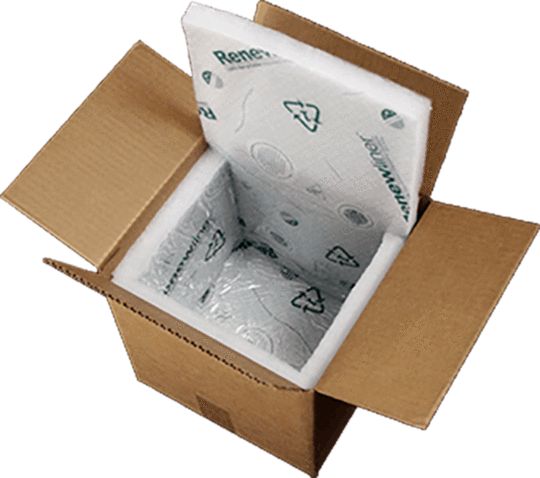
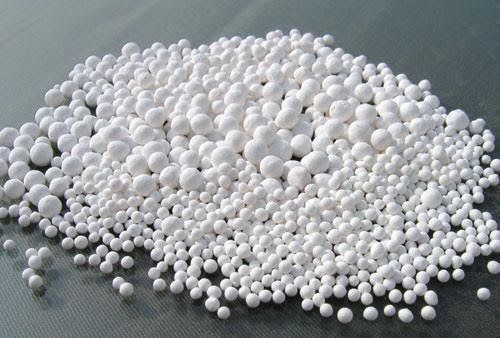
Styrofoam boxes are made from expanded polystyrene (EPS), a material with excellent thermal insulation properties.
Key benefits
- Slows heat transfer from the outside environment
- Maintains frozen temperatures for extended periods
- Reduces melting during long-distance transport
- Protects packaging from direct sunlight and heat
When combined with ice packs or dry ice, styrofoam boxes for ice cream and frozen food significantly extend delivery time without compromising quality.
Who Uses Styrofoam Boxes for Frozen Food Transport?
1. Ice Cream Vendors and Distributors
- Door-to-door delivery
- Supermarket restocking
- Mobile ice cream businesses
2. Supermarkets and Retail Stores
- Transfer of frozen goods between branches
- Backup cold storage during power outages
3. Food Distributors and Wholesalers
- Long-distance transport from cold rooms to retailers
- Consolidated deliveries to multiple locations
Styrofoam Boxes vs Improvised Containers for Frozen Products
Many businesses attempt to use:
- Plastic crates
- Cardboard boxes
- Ordinary coolers
These options offer little to no insulation.
Styrofoam boxes for ice cream and frozen food:
- Retain cold longer
- Reduce reliance on powered refrigeration
- Lower product losses
Best Practices for Transporting Ice Cream Using Styrofoam Boxes
To maximize performance:
- Pre-freeze the box where possible
- Use sufficient ice packs or dry ice
- Minimize opening during delivery
- Ensure the lid fits tightly
These practices help maintain stable temperatures even during peak daytime heat.
Choosing the Right Styrofoam Box for Frozen Foods
When selecting a box, consider:
Wall Thickness
Thicker walls provide longer insulation time.
Box Size
Choose sizes that minimize empty air space while allowing airflow around products.
Lid Quality
A tight seal reduces heat gain and ice loss.
You can explore available options here:
Styrofoam Boxes in Kenya
Cost and Bulk Supply Options
Styrofoam boxes are a cost-effective alternative to refrigerated vehicles for short to medium transport distances.
For pricing guidance, see:
Styrofoam Boxes Prices in Kenya
Food Safety and Temperature Guidelines
According to the World Health Organization (WHO) and the Food and Agriculture Organization (FAO), frozen foods should remain at safe low temperatures throughout the supply chain to prevent quality loss and bacterial risk. Using insulated packaging is a key part of cold-chain management.
Environmental Responsibility
Styrofoam boxes can be reused multiple times for frozen food transport when handled properly. Responsible reuse and recycling reduce environmental impact.
Learn more here:
Reuse and Recycle Styrofoam Boxes in Kenya
Frequently Asked Questions (FAQs)
With adequate ice packs or dry ice, ice cream can remain frozen for several hours, depending on box thickness and external temperatures.
Yes. Food-grade styrofoam boxes are safe for frozen food storage and transport when used correctly.
They are ideal for short to medium transport and last-mile delivery, but not a replacement for long-term frozen storage.
You can source reliable insulated boxes from specialized suppliers. Bioflex offers the best quality
Why Choose Bioflex Insulation Ltd?
Bioflex Insulation Ltd supplies durable, food-grade styrofoam boxes designed for frozen food and ice cream transport across Kenya. Our solutions help businesses reduce losses, maintain product quality, and deliver confidently—even in challenging conditions.
Call us: 0722664867