Polyol and Isocyanate PU Foam in Kenya & East Africa – Complete Guide
Energy costs are rising across Kenya and East Africa, and businesses are searching for reliable insulation solutions that cut energy bills and improve comfort. Polyurethane (PU) foam products—specifically those made from Polyol and Isocyanate—are leading the way in high-performance, long-lasting insulation.
At Bioflex Insulation Ltd, we supply and install professional-grade Polyol and Isocyanate PU foam products designed for East Africa’s climate. Whether used in cold rooms, warehouses, or industrial tanks, these products deliver superior energy efficiency and durability.
In this guide, we explain how Polyol and Isocyanate work together, the right mixing ratios, common applications, and why this insulation technology is shaping the future of industrial construction across Kenya and East Africa.
Understanding Polyol and Isocyanate in PU Foam
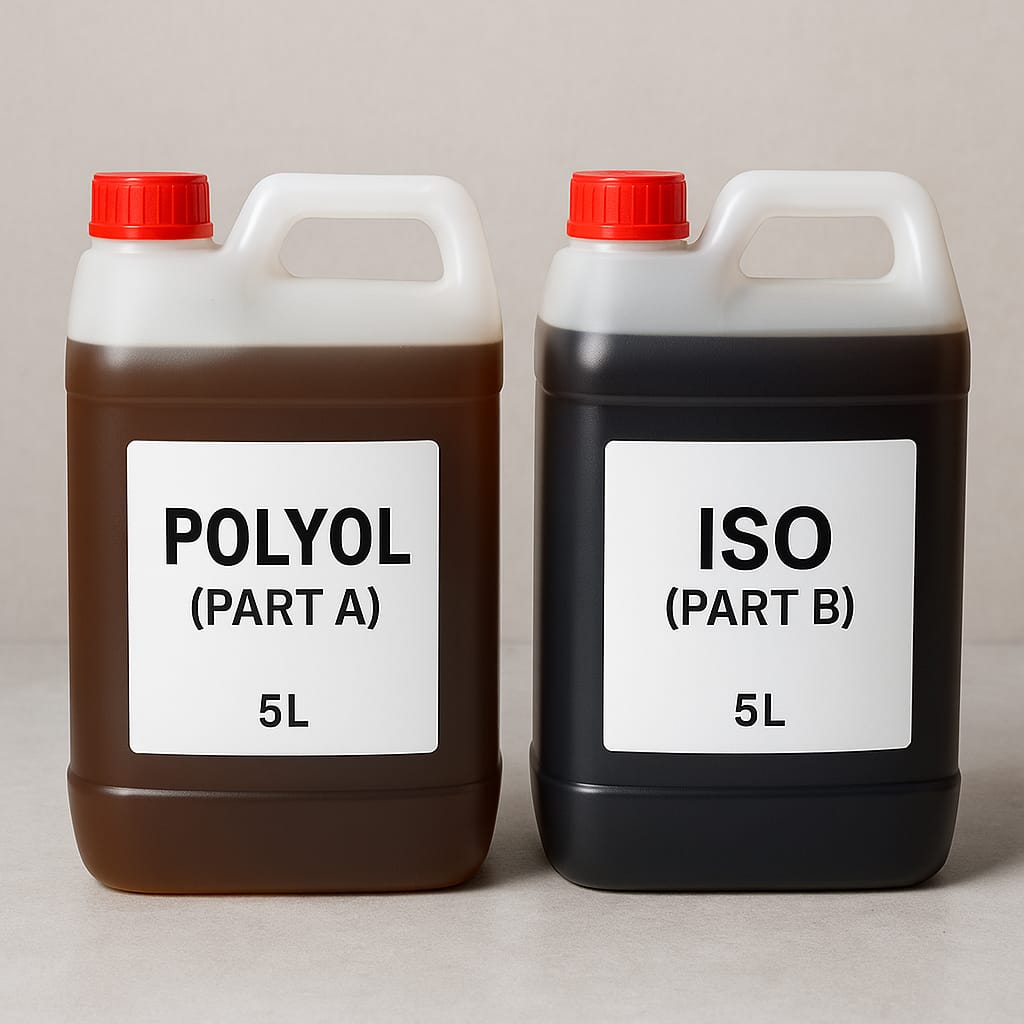
PU foam is formed by combining two components—Polyol (resin) and Isocyanate (hardener). When mixed, they react chemically to form a rigid, closed-cell foam that expands and adheres to almost any surface. This structure traps air pockets, giving the foam excellent thermal and waterproofing properties.
Polyol acts as the structure builder, while Isocyanate triggers the reaction that causes the foam to expand and cure. The result is a seamless insulation layer that bonds tightly to concrete, steel, and timber.
For a detailed comparison between these components, see our blog “Polyol vs Isocyanate: What’s the Difference & Why It Matters.”
Getting the Mixing Ratio Right
The most common mixing ratio is 1:1 by volume. This ensures proper chemical balance and foam density. Too much Polyol can make the foam soft and unstable, while excess Isocyanate can cause brittleness or shrinkage.
Professional applicators use calibrated spray equipment to control the ratio, spray temperature, and foam expansion. Environmental factors like humidity and surface temperature also affect curing quality. Bioflex technicians maintain the correct ratio to ensure long-term performance.
You can read more in our upcoming guide “Mixing Ratio for Polyol and Isocyanate PU Foam: Common Formulas & Mistakes.”
Benefits of Polyol & Isocyanate PU Foam
Superior Thermal Insulation: Keeps interiors cool in hot climates and reduces heat loss in cold conditions.
Moisture Resistance: Forms a complete barrier against humidity, protecting metal and concrete from corrosion.
Strong Adhesion: Bonds securely to surfaces without the need for fasteners.
Long Lifespan: Retains structure and insulation value for decades.
Eco-Friendly: Reduces energy use, helping businesses meet Kenya’s and East Africa’s sustainability goals.
Applications Across Kenya and East Africa
Polyol and Isocyanate PU foam products are widely used in industrial and commercial settings such as:
- Cold Rooms & Refrigeration Units: Maintains consistent temperatures.
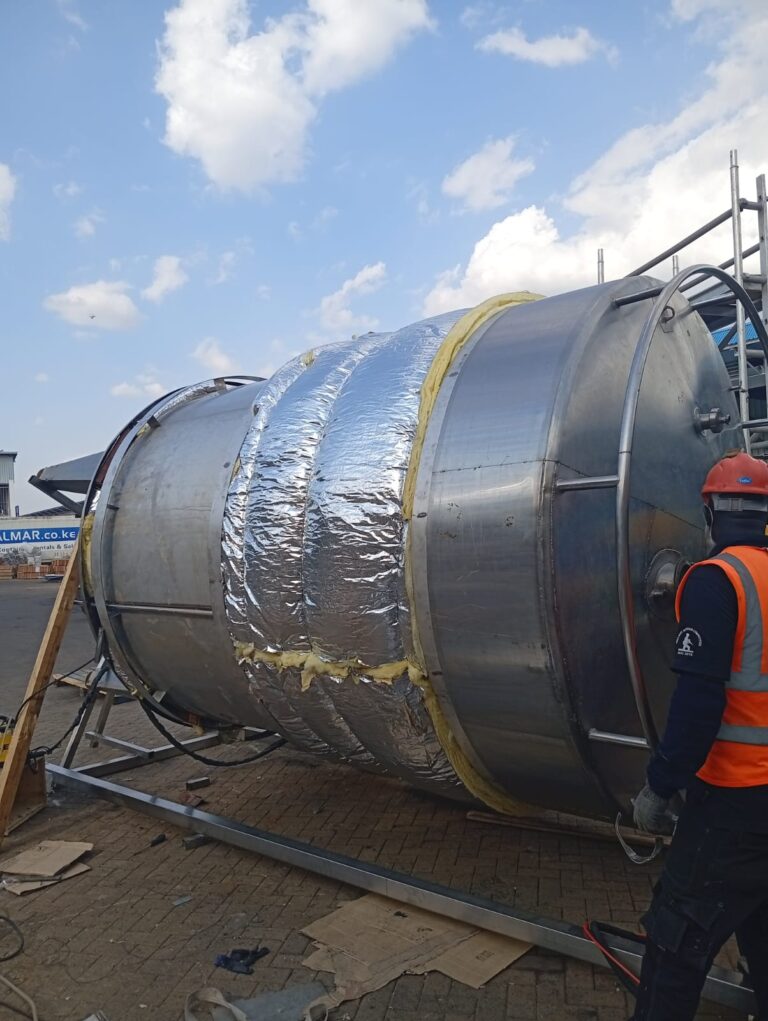
- Tanks & Pipelines: Prevents heat loss and condensation.
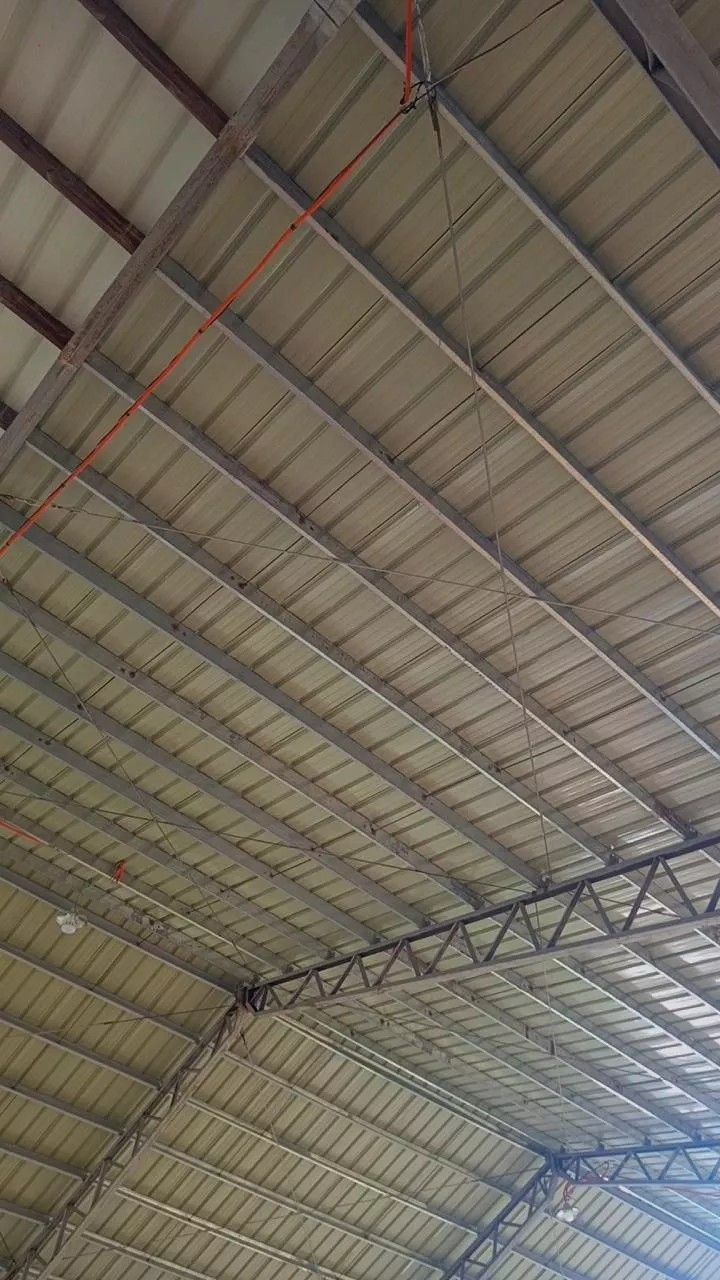
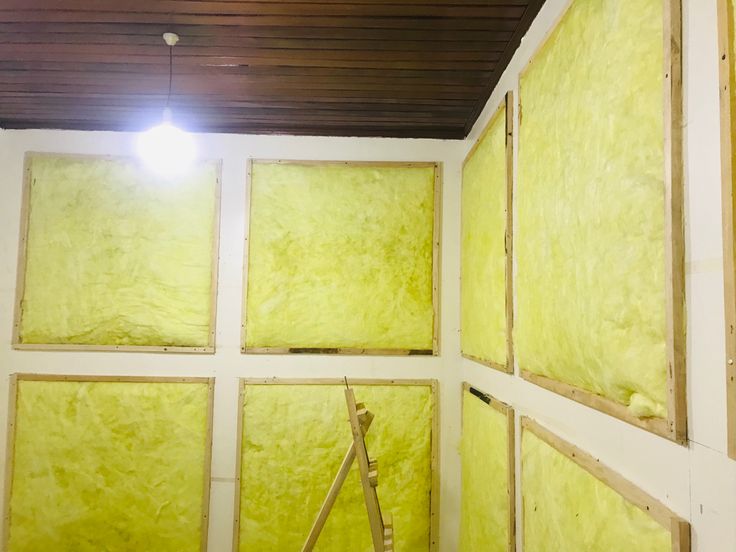
- Roofs & Walls: Improves comfort and energy savings in large buildings.
- Warehouses & Processing Plants: Ensures stable indoor climates.
- Transport Refrigeration: Used for trucks and mobile cold storage.
From Nairobi to Dar es Salaam, Bioflex PU foam solutions adapt to both coastal humidity and inland heat.
See more details in “Applications of Two-Component PU Foam: From Cold Rooms to Roofs.”
Choosing the Right PU Foam Product
The right product depends on your project size and environment.
- Use Single-Component PU Foam Spray for small sealing jobs.
- Choose Two-Component Polyol & Isocyanate Foam for large projects such as roofs, cold rooms, or pipelines.
At Bioflex Insulation Ltd, our team helps clients select the best option for their application. For small projects, visit our PU Foam Spray Insulation Kenya page.
PU Foam Pricing in Kenya and East Africa
Prices vary by density, packaging, and coverage area. Larger drums (Polyol and Isocyanate sets) offer better cost efficiency for industrial use.
Installation costs depend on surface type, foam thickness, and labor.
Bioflex Insulation Ltd offers competitive pricing, full technical support, and reliable regional delivery.
More on this topic is covered in “ Industrial PU Foam Price in Kenya.”
Installation and Safety Practices
PU foam application requires proper safety measures. Installers should wear gloves, masks, and goggles to avoid direct contact. Workspaces should be well-ventilated, especially during spraying and curing.
At Bioflex Insulation Ltd, our installation team follows best practices to ensure clean, safe, and efficient insulation results.
Learn more about industry standards at the International Association of Polyurethane Manufacturers.
Why Choose Bioflex Insulation Ltd
Bioflex Insulation Ltd leads the insulation market across Kenya and East Africa with unmatched technical expertise and dependable service.
We supply, install, and maintain insulation products for industrial, commercial, and refrigeration projects. Our regional coverage includes Kenya, Uganda, Tanzania, and Rwanda.
We also provide related solutions such as Rockwool Insulation Rolls, Fiberglass Insulation, and PU Foam Spray.
Frequently Asked Questions
1. What is the ratio of Polyol to Isocyanate PU Foam?
2. Where is PU Foam most used?
3. Is PU Foam waterproof and safe?
4. How long does PU Foam insulation last?
Conclusion
Polyol and Isocyanate PU Foam offers the most efficient, long-lasting insulation solution for Kenya and East Africa’s diverse conditions. It combines energy savings, durability, and sustainability in one proven system.
Whether you need cold room insulation in Nairobi or a tank lining in Dar es Salaam, Bioflex Insulation Ltd delivers expert products and installation services that guarantee performance.
Contact Bioflex Insulation Ltd today for supply, installation, or consultation. +254722664867