
Understanding the Importance of Ceramic Blankets
In high-temperature environments, insulation is not just an accessory—it is a critical system component. The ceramic blanket guide you choose directly affects safety, energy efficiency, equipment lifespan, and operating costs. While ceramic blankets are designed to withstand extreme heat, not every blanket performs the same way under different conditions.
Because ceramic blankets vary in temperature rating, thickness, density, and application, selecting the wrong type can lead to heat loss, premature failure, or unsafe operation. This guide explains what truly matters when choosing a ceramic blanket so you can match the material to your specific project.
What Is a Ceramic Blanket?
A ceramic blanket is a lightweight, flexible, high-temperature insulation material manufactured from ceramic (alumino-silicate) fibers. These fibers are needled into a blanket form, creating a structure that traps air and resists heat transfer.
Most ceramic blankets are designed to withstand temperatures of up to 1,260°C, which makes them suitable for:
- Furnaces and kilns
- Boilers and incinerators
- Chimneys and exhaust systems
- Pizza ovens and fireplaces
Unlike rigid refractory materials, ceramic blankets bend easily, allowing them to line curved surfaces and complex geometries without cracking.
Key Factors to Consider When Choosing a Ceramic Blanket
1. Temperature Resistance
Not all applications require the maximum temperature rating. Selecting a blanket based on real operating conditions improves performance and controls cost.
- Lower-temperature applications (fireplaces, domestic ovens): lower-density blankets may be sufficient
- High-temperature industrial systems (forges, kilns, furnaces): always select a blanket rated for continuous exposure near maximum temperatures
Using an under-rated blanket in high-heat environments leads to rapid degradation and heat leakage.
2. Thickness Selection
Thickness plays a major role in insulation effectiveness. Ceramic blankets are commonly supplied in 25 mm layers, which can be combined to achieve higher insulation values.
- Thinner layers: easier installation, suitable for limited space
- Multiple layers: improved heat retention and reduced external surface temperature
For high-heat applications such as furnaces and pizza ovens, layering blankets often delivers better long-term performance.
3. Density and Durability
Ceramic blankets are typically available at a density of around 128 kg/m³, which balances insulation performance and flexibility.
- Lower density blankets:
- Lighter and easier to cut
- Suitable for light-duty or temporary applications
- Higher density blankets:
- More durable
- Better resistance to mechanical stress
- Longer service life in industrial environments
For continuous industrial use, durability should always take priority over ease of handling.
4. Application Type and Environment
Before selecting a ceramic blanket, clearly define where and how it will be used:
- Industrial applications: furnaces, boilers, refineries, foundries
- Commercial applications: HVAC systems, ovens, fireproofing
- Residential applications: pizza ovens, fireplaces, chimneys
Each environment exposes insulation to different stresses such as vibration, thermal cycling, or moisture. Matching the blanket to the environment prevents early failure.
For alternative materials, see our guide on Ceramic Blanket vs Rockwool.
Benefits of Choosing the Right Ceramic Blanket
When selected and installed correctly, ceramic blankets deliver long-term operational advantages:
- Improved energy efficiency by minimizing heat loss
- Extended equipment lifespan through thermal protection
- Enhanced fire safety in high-temperature zones
- Lower operating and maintenance costs over time
These benefits compound over years of operation, making the correct selection far more valuable than initial cost savings.
Common Mistakes to Avoid
Even quality insulation can fail if selected incorrectly. Common mistakes include:
- Choosing a blanket that is too thin for extreme temperatures
- Using low-density blankets in heavy industrial environments
- Ignoring professional guidance for critical systems
- Installing without proper anchoring or protective coatings
Avoiding these mistakes significantly improves performance and safety.
Frequently Asked Questions (FAQs)
A minimum of 25 mm, often layered, is recommended for effective heat retention.
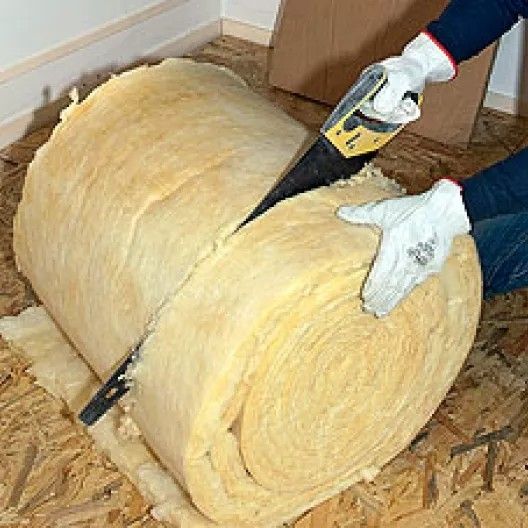
Yes, for small projects. However, always wear gloves and a mask to prevent fiber irritation.
Yes. When properly installed and covered with a refractory layer, it is safe for food applications.
With correct installation and operating conditions, ceramic blankets can last many years without replacement.
Conclusion
Choosing the right ceramic blanket is about more than temperature rating—it requires understanding thickness, density, application, and operating conditions. When these factors align, ceramic blankets provide exceptional insulation, safety, and long-term value.
At Bioflex Insulation Limited, we supply high-quality ceramic blankets for both industrial and residential projects. We also offer complementary solutions such as ceramic rope, ceramic cloth, and refractory cement to support complete high-temperature insulation systems.
📞 Contact us today: +254 722 664 867
Let our experts help you select the right ceramic blanket for your project.