How Cyclone Roof Ventilators Work in Kenya
How cyclone roof ventilators work in Kenya is a common question among warehouse owners, contractors, and facility managers. Many buildings struggle with trapped heat and poor airflow.
However, cyclone ventilators provide a simple and effective solution. They use natural wind energy to remove hot air from buildings. As a result, indoor temperatures reduce, and airflow improves significantly.
What is a Cyclone Roof Ventilator?
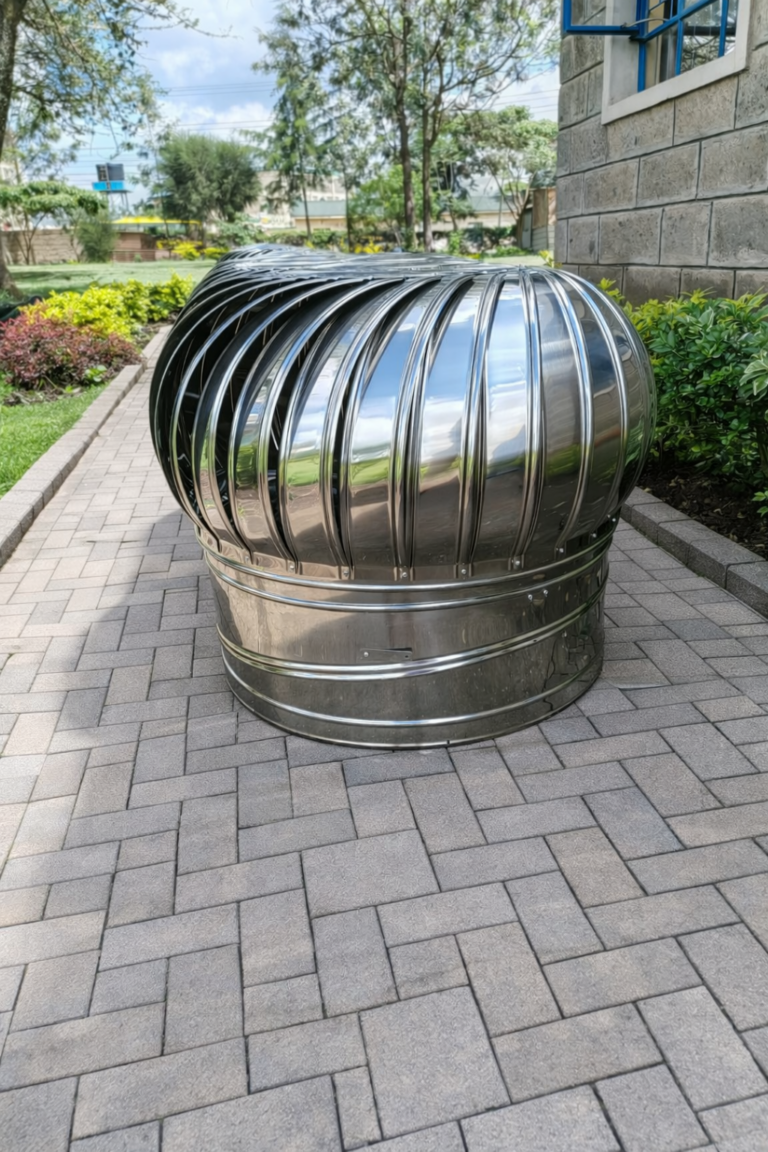
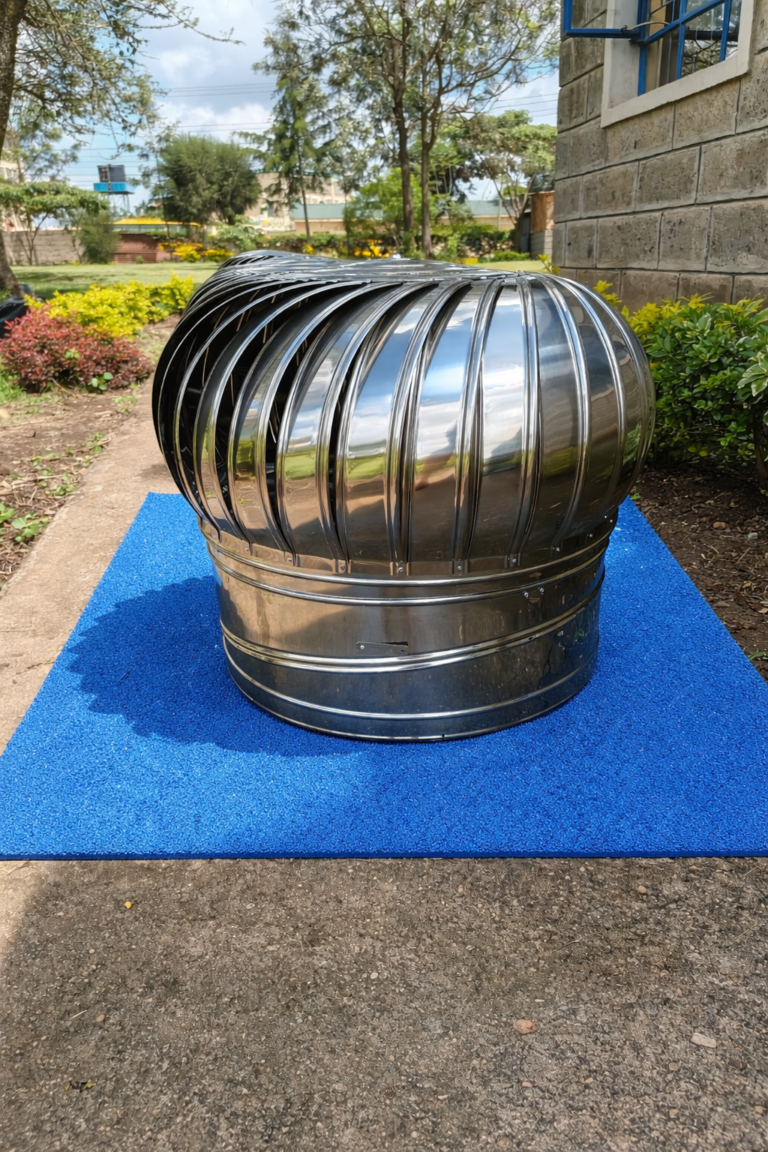
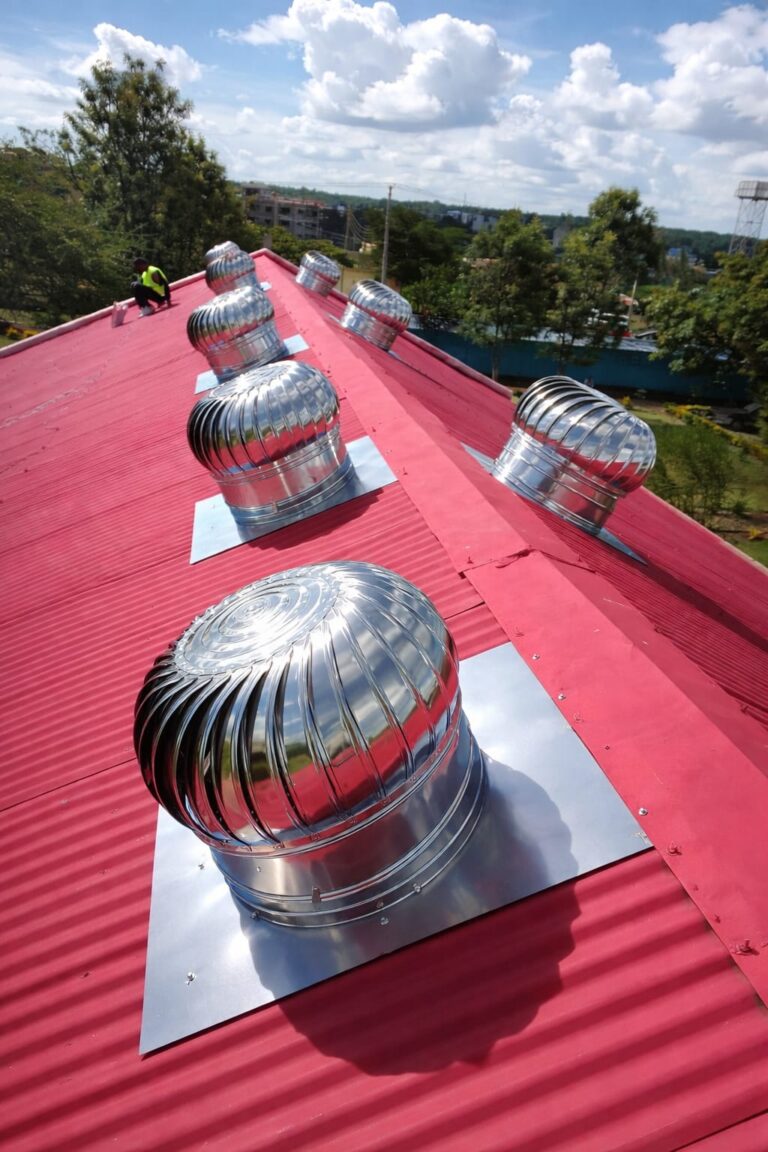
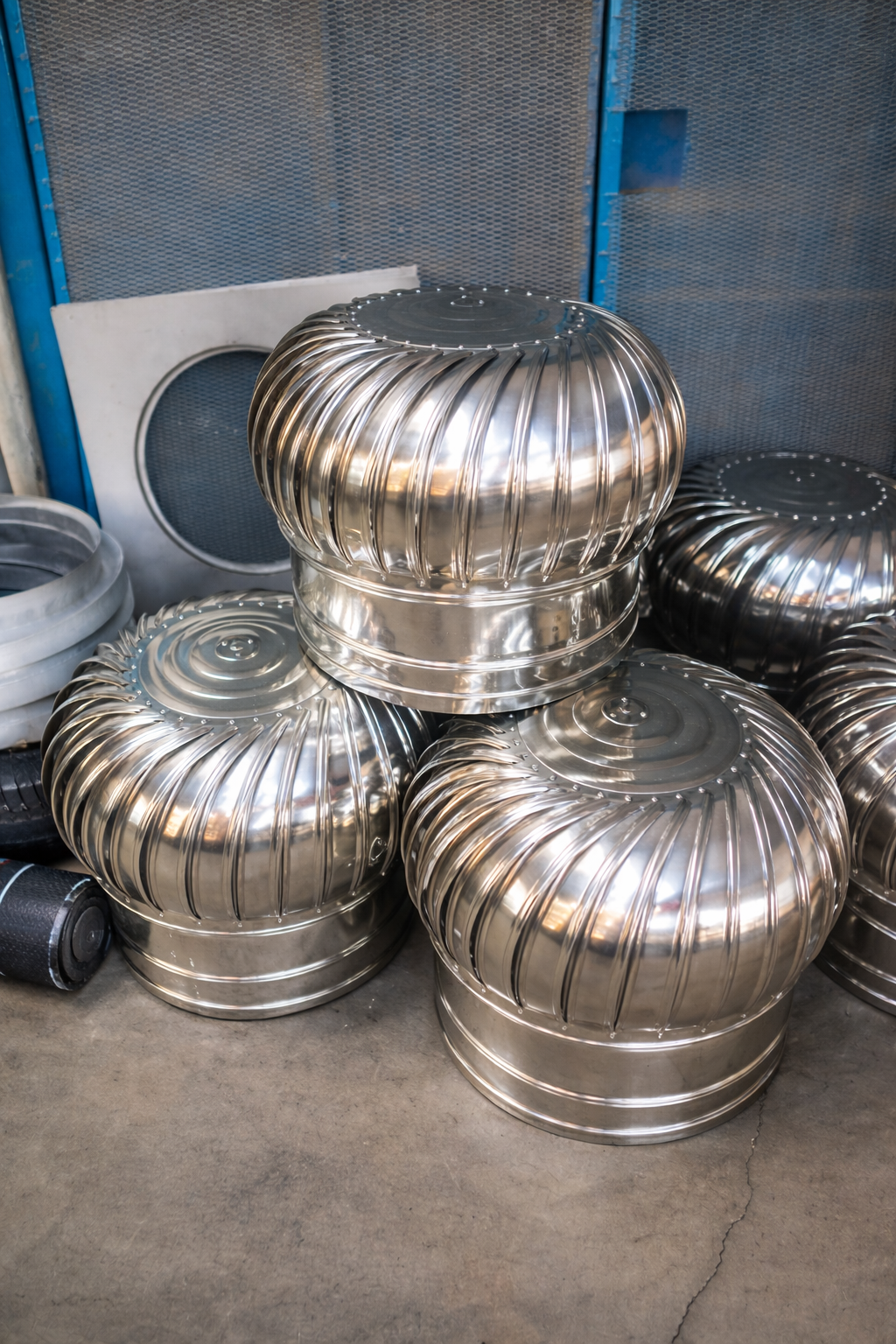
A cyclone roof ventilator is a rotating ventilation device installed on rooftops.
It spins using wind energy and extracts hot air, fumes, and moisture from inside the building.
If you want professional installation, visit:
Cyclone Roof Ventilator Installation in Kenya and East Africa
How Cyclone Roof Ventilators Work Step by Step
Wind Drives the Turbine
When the wind hits the ventilator, it causes the turbine to rotate.
As a result, the spinning motion creates suction inside the building.
Hot Air Rises Naturally
Hot air naturally rises to the top of the building.
Therefore, it collects near the roof where the ventilator is installed.
Hot Air is Extracted
The rotating ventilator pulls hot air out of the building.
Consequently, the indoor temperature begins to drop.
Fresh Air Enters
As hot air leaves, fresh air enters through openings such as doors and windows.
In turn, this improves airflow and ventilation inside the building.
Why Cyclone Ventilators Are Effective
Cyclone ventilators work because they combine natural airflow with continuous extraction.
Unlike fans, they operate without electricity. Therefore, they provide a cost-effective and reliable solution.
Benefits of Cyclone Roof Ventilators
Reduce Heat Build-Up
They continuously remove hot air from the building.
Improve Air Quality
They remove stale air, fumes, and moisture.
No Electricity Required
They operate using wind energy.
Low Maintenance
They require minimal servicing and last for many years.
Where Cyclone Ventilators Are Used
They are ideal for:
- Warehouses
- Factories
- Churches and halls
- Schools
- Workshops
Combine Ventilation with Insulation
For best results, combine ventilation with insulation.
While ventilators remove hot air, insulation reduces heat entry. Therefore, both systems work together to improve comfort.
Read more:
How Roof Insulation Reduces Heat in Buildings
When You Should Install Cyclone Ventilators
You should install them if:
- Your building feels too hot
- Airflow is poor
- Heat builds up during the day
- Workers complain about the heat
These are clear signs that your building needs proper ventilation.
Industry Standards for Ventilation
Proper ventilation improves indoor air quality and building performance. Organizations like ASHRAE provide guidelines on ventilation systems.
Conclusion
Understanding how cyclone roof ventilators work in Kenya helps you choose the right solution for your building.
Therefore, installing ventilators improves airflow, reduces heat, and creates a more comfortable environment.
Want to improve airflow in your building?
Contact Bioflex Insulation Ltd today for professional cyclone roof ventilator installation across Kenya and East Africa. +254722664867
FAQs
No, they operate using natural wind energy.
Yes, they still allow passive airflow, but performance improves with wind.
They are durable and can last many years with minimal maintenance