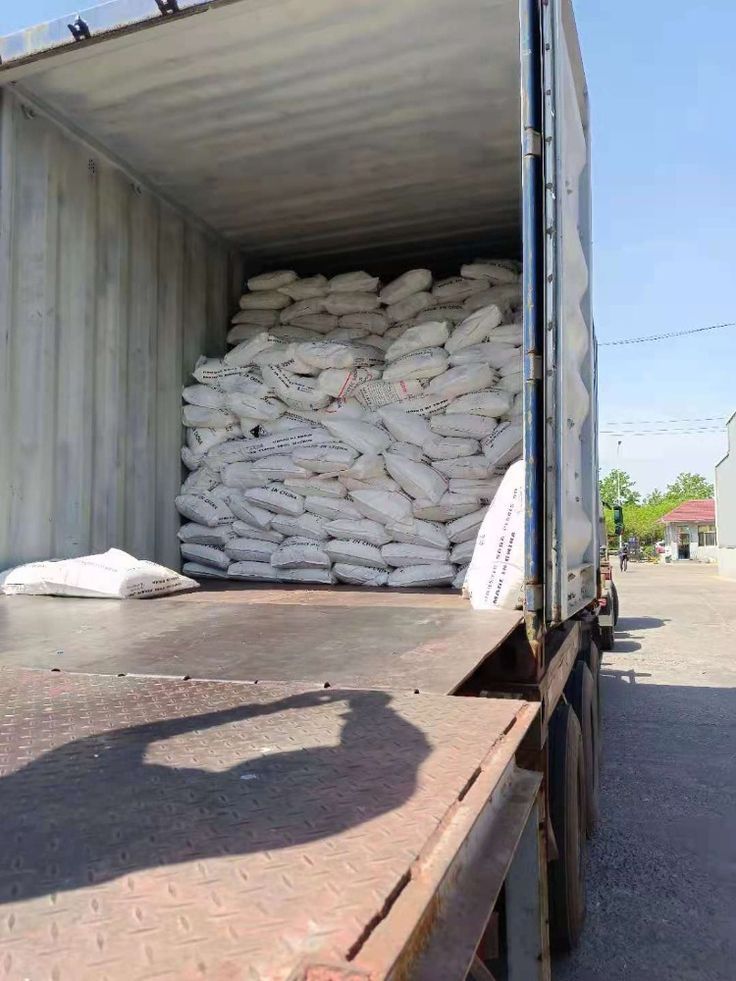
Caustic Soda Price in East Africa – What Affects Cost?
The caustic soda price in East Africa varies depending on multiple industrial and logistical factors. Manufacturers and processing plants in Kenya, Uganda, Tanzania, Rwanda, Zambia, and Ethiopia often ask why prices fluctuate between suppliers and across borders.
Understanding what affects caustic soda pricing helps industrial buyers make informed procurement decisions and plan bulk supply contracts effectively.
1. Raw Material & Global Market Influence
Caustic soda (sodium hydroxide) pricing is influenced by global chlor-alkali production markets. Since most East African countries import industrial chemicals, international supply chain conditions directly affect regional availability.
Factors include:
- Global chemical demand
- Production costs of chlorine and sodium hydroxide
- Shipping rates
- Exchange rate fluctuations
These factors contribute significantly to the overall caustic soda price in East Africa.
2. Packaging Format & Volume Purchased
The form and volume of purchase directly impact cost.
Common packaging formats include:
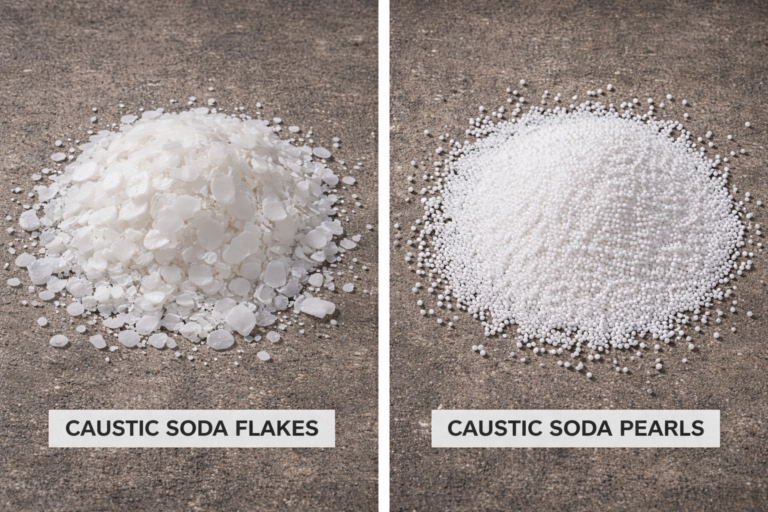
- 25kg bags (flakes or pearls)
- 200L drums
- IBC containers
- Full truckload bulk supply
Bulk purchases reduce per-kg pricing through freight efficiency and leverage in supplier negotiations.
Industrial buyers in Uganda, Tanzania, and Rwanda often reduce overall cost through volume consolidation.
3. Cross-Border Logistics & Freight
For regional buyers, freight and border clearance play a major role in determining the final landed cost.
Delivery timelines:
- Uganda: 1-3 working days
- Tanzania: 1–3 working days
- Rwanda: 2–5 working days
- Zambia: 2–5 working days
- Ethiopia: 2–4 working days
Transport distance and corridor routing influence the final pricing structure.
For regional supply support, see our Industrial Chemical Supplier Uganda, Industrial Chemical Supplier Tanzania, and other country hubs.
4. Grade & Purity Level
Industrial-grade caustic soda pricing differs from food-grade or pharmaceutical-grade materials.
Most industrial applications in East Africa use:
- Industrial-grade sodium hydroxide
- Flakes or pearls
Purity level and manufacturer source affect price variation.
5. Market Demand in Key Industries
High-demand sectors include:
- Soap & detergent manufacturing
- Water treatment facilities
- Food processing plants
- Textile and chemical processing
- Mining operations (Zambia)
When industrial demand rises, the caustic soda price in East Africa may increase due to supply constraints.
6. Currency & Payment Terms
Cross-border trade often involves USD transactions. Exchange rate volatility between the Kenyan Shilling and regional currencies affects procurement costs.
Buyers who secure long-term supply contracts often stabilize pricing through structured agreements.
How to Get Competitive Caustic Soda Pricing
Industrial buyers should:
- Purchase in bulk
- Plan procurement cycles
- Work with structured regional suppliers
- Request formal quotations
- Confirm documentation and freight terms
For technical specifications and bulk supply options, visit our Caustic Soda product page under Industrial Acids & Alkalis.
Frequently Asked Questions
Transport cost, border clearance fees, and currency fluctuations contribute to price variation.
Yes. Bulk orders significantly reduce per-kg pricing
In some cases, pearls may cost slightly more depending on sourcing and packaging.
Contact Bioflex Insulation Ltd for structured pricing based on volume and delivery location.