
Is Caustic Soda Dangerous?
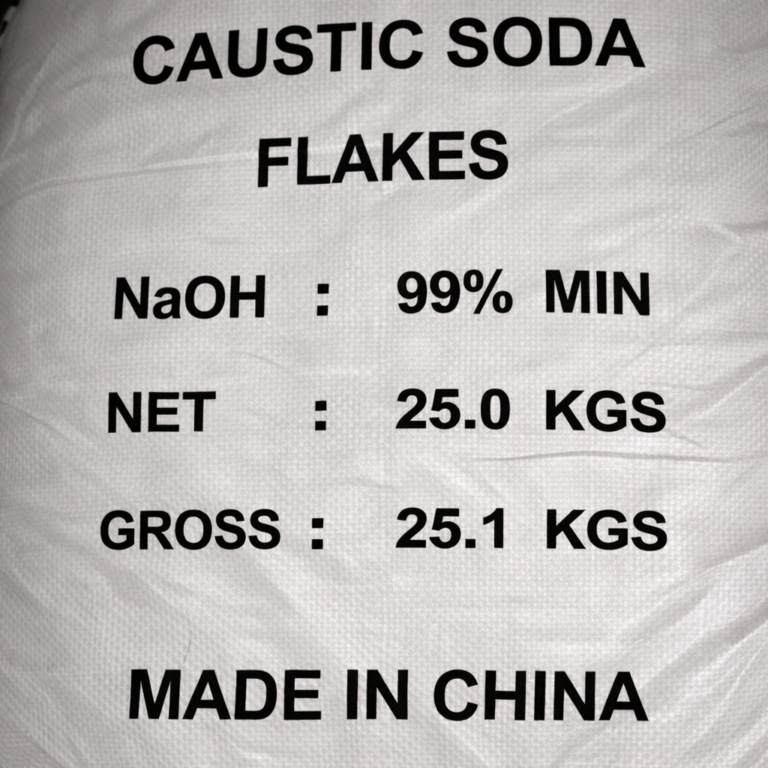
Many industrial buyers across East Africa ask the same question: Is caustic soda dangerous? The answer is yes — when it is mishandled. Caustic soda (sodium hydroxide) is a highly alkaline industrial chemical widely used in soap manufacturing, water treatment, textile processing, and heavy-duty industrial cleaning.
While it is essential for many manufacturing processes, improper handling can result in chemical burns, equipment corrosion, and serious workplace hazards. Understanding safe storage and handling procedures is critical for factories operating in Kenya, Uganda, Tanzania, Rwanda, Zambia, and Ethiopia.
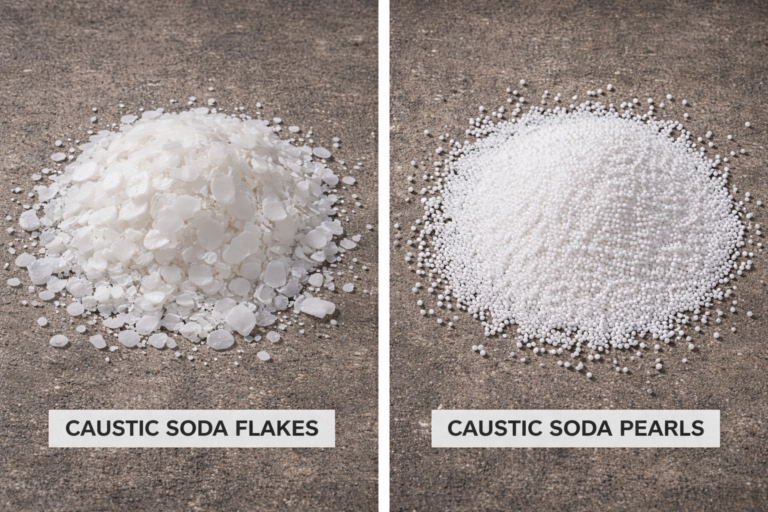
For technical specifications and packaging formats, refer to our Caustic Soda Flakes & Pearls
Why Is Caustic Soda Dangerous?
Caustic soda is classified as a corrosive alkali due to its extremely high pH level. When exposed to skin or eyes, it can cause severe irritation and burns. It also reacts aggressively with acids and certain metals, producing heat and potentially hazardous reactions.
Because of these properties, sodium hydroxide is categorized under our broader Industrial Chemicals East Africa portfolio
And more specifically, within Industrial Acids East Africa
This classification reflects its corrosive and industrial-strength chemical nature.
Safe Handling Procedures in Industrial Facilities
To reduce workplace risks, factories handling sodium hydroxide should implement strict safety procedures.
Recommended safety measures include:
- Wearing chemical-resistant gloves
- Using protective goggles and face shields
- Ensuring adequate ventilation
- Avoiding direct contact with the skin
- Adding caustic soda slowly into water — never water into caustic soda
The dissolution process generates significant heat. If mixed improperly, splashing can occur, increasing injury risk.
Industrial buyers sourcing locally should coordinate with a structured distributor such as our Caustic Soda Supplier in Kenya
This ensures compliant packaging, proper labeling, and full documentation.
Proper Storage Requirements
Storage conditions directly affect both safety and product stability.
Recommended storage guidelines include:
- Keeping the product in sealed, moisture-resistant packaging
- Storing in dry, well-ventilated warehouses
- Avoiding exposure to aluminum and reactive metals
- Maintaining separation from acids
Industrial operators in Uganda should ensure warehouse compliance aligns with regulated chemical handling standards, as described under our Industrial Chemical Supplier Uganda page
Poor storage can result in clumping, container damage, and heat buildup.
Is Caustic Soda Safe for Soap Manufacturing?
Yes — when used under controlled industrial procedures.
Caustic soda is essential in the saponification process used in soap production. Manufacturers across East Africa rely on controlled dosing and trained personnel to ensure safe mixing and processing.
For regional supply coordination across multiple markets, see our Caustic Soda Supplier East Africa page
Pricing also plays a role in procurement planning. For cost insights, refer to our guide on Caustic Soda Price in East Africa
Transport & Regulatory Compliance
Caustic soda is classified as a hazardous chemical for transport. Industrial suppliers must provide:
- Material Safety Data Sheets (MSDS)
- Hazard labeling
- Proper industrial packaging
- Structured freight documentation
We align with internationally recognized safety standards, such as those outlined by OSHA
Cross-border distribution into Tanzania, Rwanda, Zambi,a and Ethiopia requires organized documentation and compliance procedures to ensure safe delivery.
Frequently Asked Questions
Yes. It is classified as corrosive and must be transported according to regulated safety standards.
No. However, it reacts strongly with certain substances and produces heat when dissolved in water
It can cause chemical burns. Immediate washing with large amounts of water is required.
Yes. Under controlled industrial conditions with proper protective equipment, it is widely used safely in manufacturing industries.