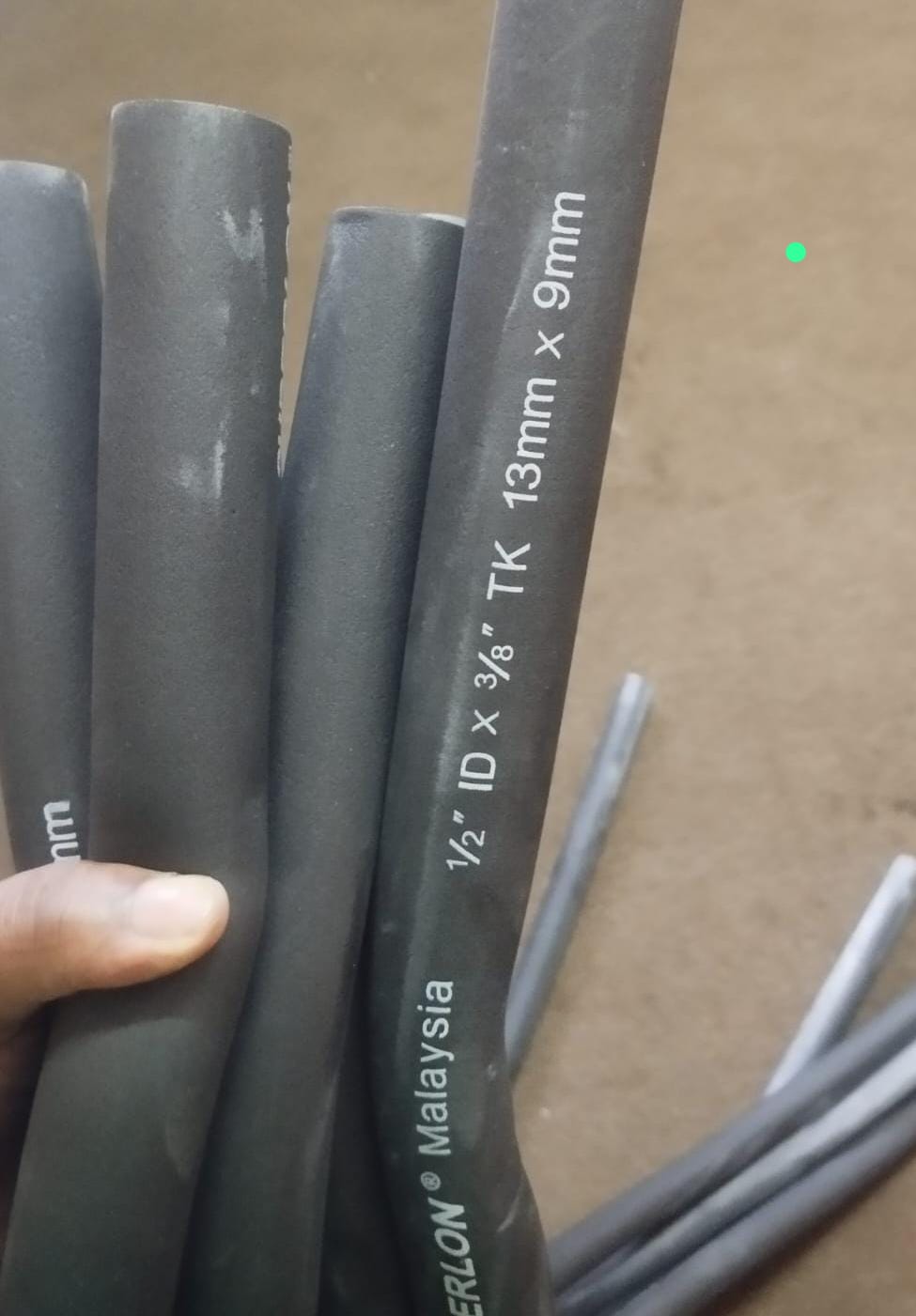
Armaflex Pipe vs Fiberglass Pipe Insulation: Which Is Better for Refrigeration Systems?
When insulating refrigeration pipes, many installers and building owners face the same question: Should I use Armaflex pipe insulation or fiberglass insulation? At first glance, both materials seem to serve the same purpose. However, their performance in refrigeration systems is very different.
Choosing the wrong insulation can lead to pipe sweating, corrosion, frequent maintenance, and increased electricity bills. This comparison explains the key differences between Armaflex pipe insulation and fiberglass insulation, helping you make the right choice for refrigeration and HVAC applications.
Understanding the Basics of Each Insulation Type
What Is Armaflex Pipe Insulation?
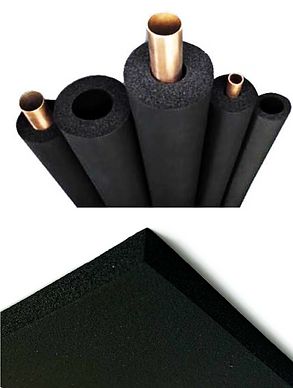
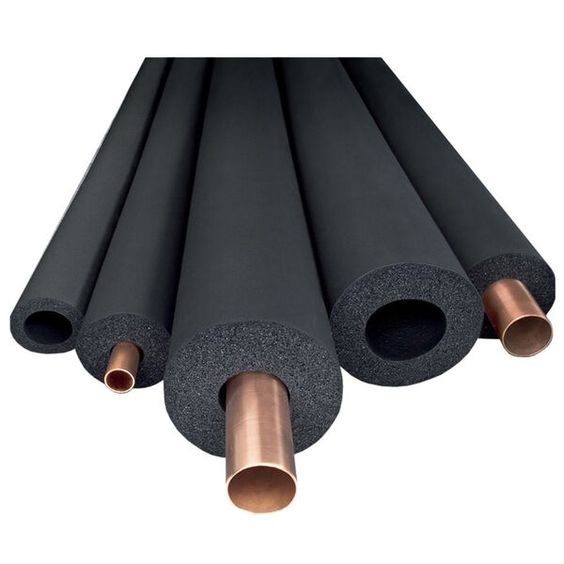
Armaflex pipe insulation is a closed-cell elastomeric rubber insulation designed specifically for refrigeration and HVAC systems. It prevents moisture penetration, controls condensation, and maintains thermal performance over time.
You can view the product here:
https://www.bioflexinsulation.com/armaflex-pipe-insulation/
What Is Fiberglass Pipe Insulation?
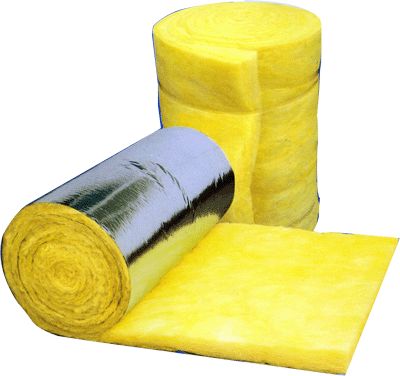
Fiberglass insulation is made from fine glass fibers formed into rigid or semi-rigid sections. It is commonly used for hot water and high-temperature pipes and often requires an external vapor barrier for cold applications.
Key Differences Between Armaflex and Fiberglass Insulation
1. Moisture and Condensation Control
Armaflex pipe insulation has a closed-cell structure, which means moisture cannot pass through the material. This makes it highly effective in preventing condensation on cold pipes.
Fiberglass insulation is open-cell. When exposed to humidity or leaks, it absorbs moisture. Once wet, it loses insulation value and becomes a source of corrosion and mold.
Winner: Armaflex pipe insulation
2. Performance in Refrigeration Systems
Refrigeration pipes operate at low temperatures. Armaflex is designed for this environment and performs reliably even in humid conditions.
Fiberglass performs better in high-temperature systems and struggles in refrigeration unless perfectly sealed, which is difficult to maintain over time.
Winner: Armaflex pipe insulation
3. Installation and Handling
Armaflex pipes are flexible and easy to install, especially in tight spaces and bends. Joints can be sealed easily to maintain a continuous vapor barrier.
Fiberglass insulation is rigid and more difficult to install around bends, valves, and fittings. Any installation gaps allow moisture to enter.
Winner: Armaflex pipe insulation
4. Durability and Maintenance
Armaflex maintains its performance for many years with minimal maintenance. It resists mold growth and corrosion under insulation.
Fiberglass insulation degrades quickly when exposed to moisture and often needs replacement in refrigeration systems.
Winner: Armaflex pipe insulation
When Is Fiberglass Insulation Still Suitable?
Fiberglass insulation can still be suitable for:
- Hot water pipes
- Steam lines
- High-temperature industrial systems
For refrigeration and cold rooms, however, it is not the recommended solution.
Complete Insulation Coverage Matters
Even the best pipe insulation will fail if fittings, valves, and joints are left exposed. For full coverage, elastomeric sheets are used alongside pipes.
You can view suitable insulation sheets here:
https://www.bioflexinsulation.com/armaflex-sheets/
According to the U.S. Department of Energy, moisture-resistant insulation is essential for cold piping systems to prevent condensation and energy loss.
Outbound link: https://www.energy.gov/energysaver/insulation
Which Insulation Should You Choose?
For refrigeration systems, cold rooms, freezers, and HVAC chilled lines, Armaflex pipe insulation is the better long-term choice. It provides reliable condensation control, energy efficiency, and durability, reducing maintenance costs over time.
Fiberglass insulation remains useful in high-temperature applications but is not ideal for cold piping systems.
Frequently Asked Questions
It is not recommended because fiberglass absorbs moisture and loses effectiveness in cold applications.
Moisture penetrates the material, leading to condensation, corrosion, and mold growth.
Initial cost may be higher, but Armaflex reduces long-term maintenance and energy costs
No. Armaflex has a built-in vapor barrier due to its closed-cell structure.
Call us Today
If you are choosing between Armaflex and fiberglass insulation for your refrigeration system, contact Bioflex Insulation Ltd on +254722664867 for expert guidance.