Styrofoam Boxes for Poultry Incubation in Kenya (DIY and Small-Scale Farming)
Styrofoam boxes for poultry incubation are widely used in Kenya by small-scale farmers who want an affordable way to hatch eggs without investing in expensive commercial incubators. Successful incubation depends on maintaining stable temperature and humidity, and styrofoam boxes offer excellent insulation for this purpose.
For farmers starting or operating in rural areas with limited access to power and equipment, styrofoam (EPS) boxes provide a practical foundation for DIY incubators.
Why Temperature Stability Is Critical for Egg Incubation
Egg incubation is sensitive to environmental conditions. Challenges commonly faced by small-scale farmers include:
- Fluctuating day and night temperatures
- Cold nights in highland areas
- Power interruptions affecting electric incubators
- Poor insulation in improvised setups
Even small temperature swings can reduce hatch rates or lead to weak chicks.
How Styrofoam Boxes for Poultry Incubation Work
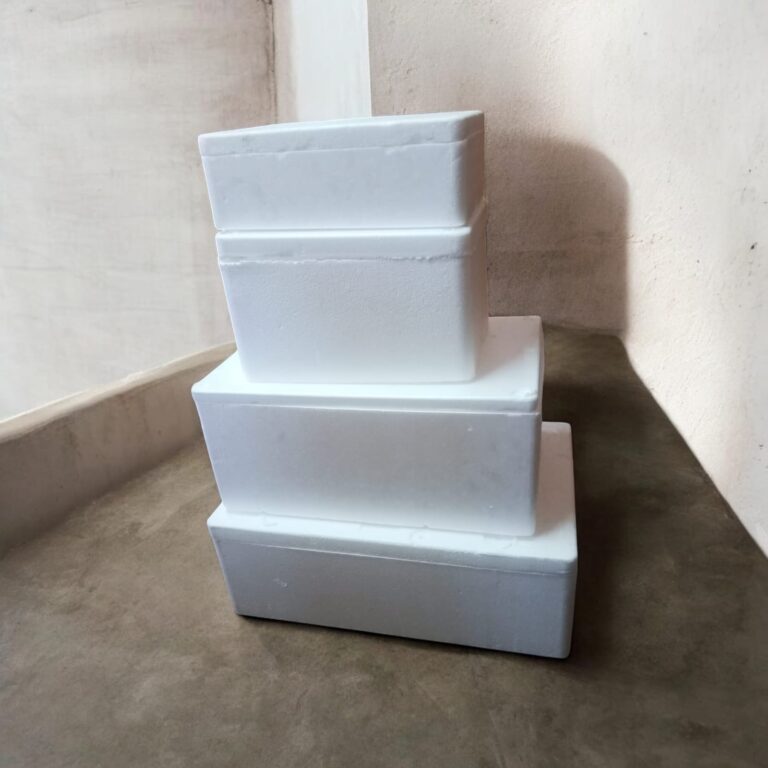
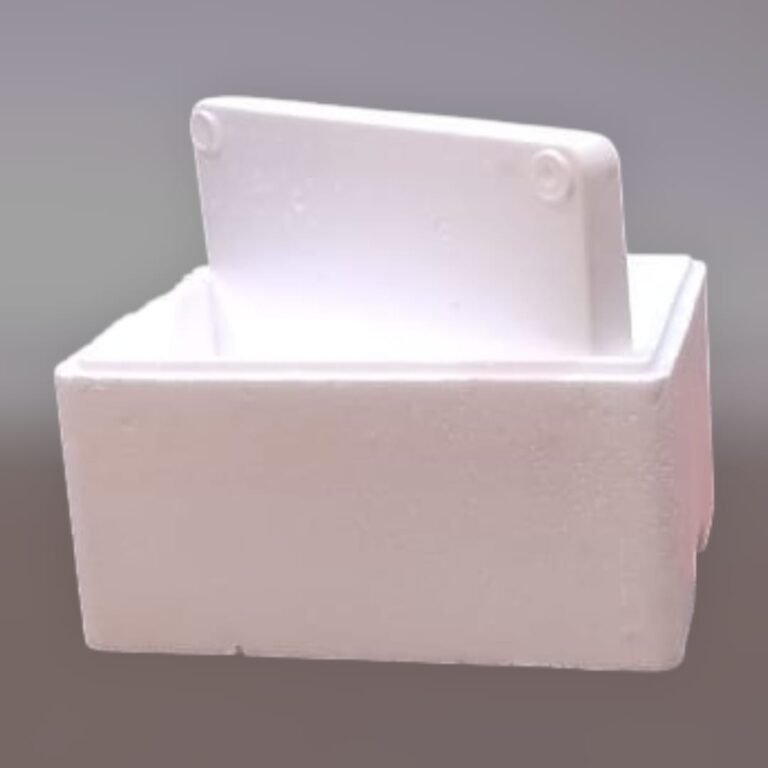
Styrofoam boxes are made from expanded polystyrene (EPS), a material with strong thermal insulation properties.
Key benefits for incubation
- Maintains stable internal temperatures
- Reduces heat loss during cold periods
- Requires less energy to maintain warmth
- Lightweight and easy to modify
Because EPS slows heat transfer, it helps keep incubation temperatures consistent when combined with heat sources such as bulbs, heating elements, or hot-water containers.
For available box options, see:
Styrofoam Boxes in Kenya
Common Poultry Types Incubated Using Styrofoam Boxes
Small-scale farmers commonly incubate:
- Chicken eggs
- Quail eggs
- Duck eggs
- Indigenous poultry breeds
Styrofoam boxes are especially popular for indigenous chicken farming, where affordability and flexibility are key.
Who Uses Styrofoam Box Incubators in Kenya?
1. Small-Scale Poultry Farmers
- Backyard and household poultry projects
- Starter flocks for income generation
2. Rural Farmers
- Areas with limited access to commercial incubators
- Off-grid or unreliable power environments
3. Youth and Agripreneurs
- Low-cost entry into poultry farming
- Training and demonstration projects
Styrofoam Boxes vs Commercial Incubators
Commercial incubators offer automation, but can be:
- Expensive to purchase
- Costly to maintain
- Dependent on stable electricity
Styrofoam boxes for poultry incubation:
- Are affordable and locally available
- Allow easy repairs and customization
- Reduce startup costs significantly
For temperature control concepts, see:
Styrofoam Boxes for Ice Storage
Best Practices for DIY Poultry Incubation Using Styrofoam Boxes
To improve hatch success:
- Maintain consistent temperature (around 37–38°C for chickens)
- Monitor humidity using simple water trays
- Turn eggs regularly (if not automated)
- Avoid opening the box frequently
While styrofoam boxes provide insulation, monitoring, and discipline determine results.
Choosing the Right Styrofoam Box for Incubation
When selecting a box, consider:
Wall Thickness
Thicker walls provide better heat retention and stability.
Internal Space
Enough room for eggs, a heat source, and airflow without overcrowding.
Lid Fit
A tight lid prevents heat loss and drafts.
For cost reference, see:
Styrofoam Boxes Prices in Kenya
For bulk or group projects:
Wholesale Styrofoam Boxes in Kenya
Safety and Hygiene Considerations
- Clean and disinfect boxes between incubation cycles
- Ensure wiring and heat sources are safely installed
- Avoid moisture buildup that can damage insulation
Proper handling improves both safety and reusability.
Environmental Responsibility and Reuse
Styrofoam boxes used for incubation can be reused for multiple cycles if kept clean and undamaged. Responsible reuse helps reduce waste while supporting sustainable farming practices.
Frequently Asked Questions (FAQs)
Yes. Their insulation helps maintain stable temperatures when combined with proper heat and humidity control.
Yes. They are commonly used by beginners due to their low cost and simplicity
Capacity depends on box size and egg type, but small boxes can hold dozens of chicken eggs.
Bioflex Insulation Limited is the biggest supplier of styrofoam boxes
Why Choose Bioflex Insulation Ltd?
Bioflex Insulation Ltd supplies quality styrofoam boxes suitable for poultry incubation and small-scale farming applications across Kenya. Our boxes support farmers looking for reliable, affordable insulation solutions.
Call us today: +254722664867