Vermiculite for Rooting Plant Cuttings in Kenya
If your plant cuttings struggle to root successfully, vermiculite for rooting plant cuttings in Kenya offers a natural, proven solution. This lightweight, sterile medium retains moisture, promotes aeration, and supports strong, disease-free root formation.
At Bioflex Insulation Ltd, we supply premium horticultural vermiculite across Kenya and East Africa — trusted by gardeners, nurseries, and greenhouse operators for dependable propagation results.
What Is Vermiculite?
Vermiculite is a lightweight, naturally occurring mineral that expands when heated. It’s widely used in horticulture and hydroponics for its ability to:
- Retain moisture effectively
- Improve soil texture and balance
- Prevent compaction
- Provide a sterile environment for root growth
Because of its structure, vermiculite for rooting plant cuttings helps roots develop faster, stronger, and cleaner.
Read more in our guide: What Is Vermiculite Used For?
Benefits of Using Vermiculite for Rooting Plant Cuttings
1. Excellent Moisture Retention
Vermiculite holds just enough water to keep cuttings moist without waterlogging. As a result, roots form consistently and stay healthy.
2. Promotes Aeration
Its expanded layers allow free airflow, keeping the rooting zone oxygen-rich and reducing the risk of rot.
3. Sterile and Safe
Vermiculite is pest-free, weed-free, and completely sterile, making it the perfect clean medium for propagation.
4. Encourages Strong Root Development
Its soft texture allows delicate new roots to grow without restriction. Consequently, plants establish faster once transplanted.
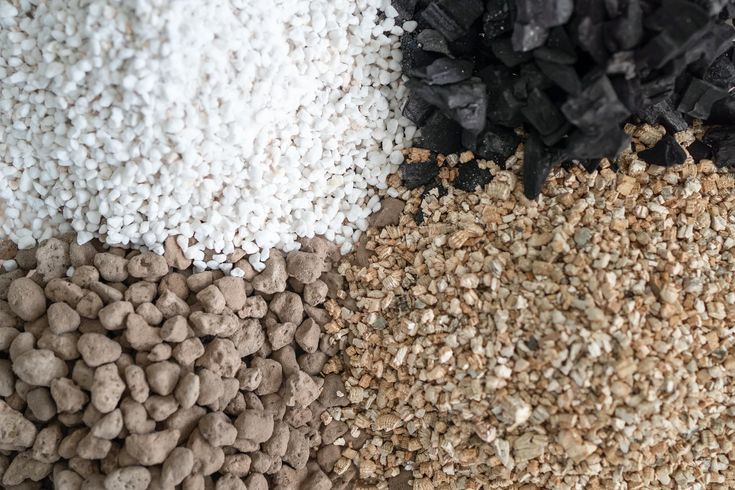
Tip: Many growers mix vermiculite and perlite for balanced aeration and moisture retention. Learn more in our post: Vermiculite vs Perlite in Kenya.
How to Use Vermiculite for Rooting Plant Cuttings
- Moisten vermiculite lightly with clean water.
- Fill a clean tray or container with the moistened vermiculite.
- Insert your plant cuttings 2–3 cm deep.
- Keep in a warm, shaded area with indirect light.
- Mist occasionally to maintain consistent moisture.
- Transplant once roots appear.
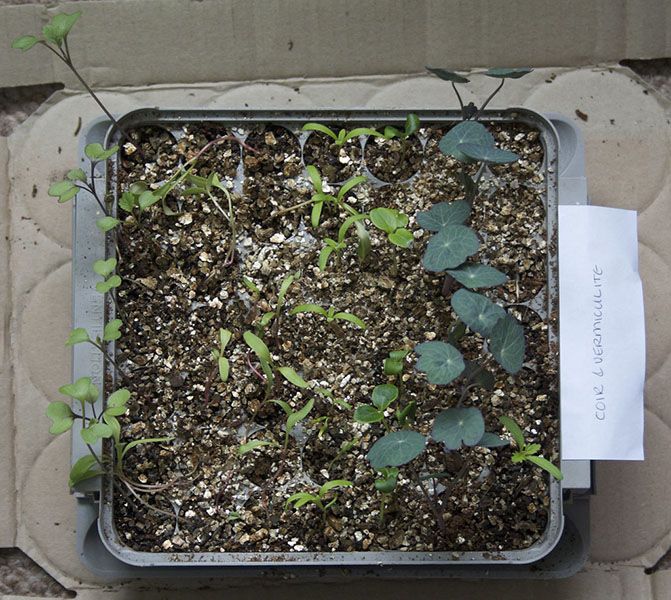
You can also mix vermiculite with coco peat or compost to improve nutrient availability and structure.
Vermiculite vs Perlite for Propagation
Both materials play unique roles in propagation:
- Vermiculite stores water and nutrients for longer periods.
- Perlite increases drainage and airflow.
For most gardeners, combining both ensures the ideal rooting environment. See our detailed comparison: Vermiculite vs Perlite in Kenya.
Where to Buy Vermiculite in Kenya
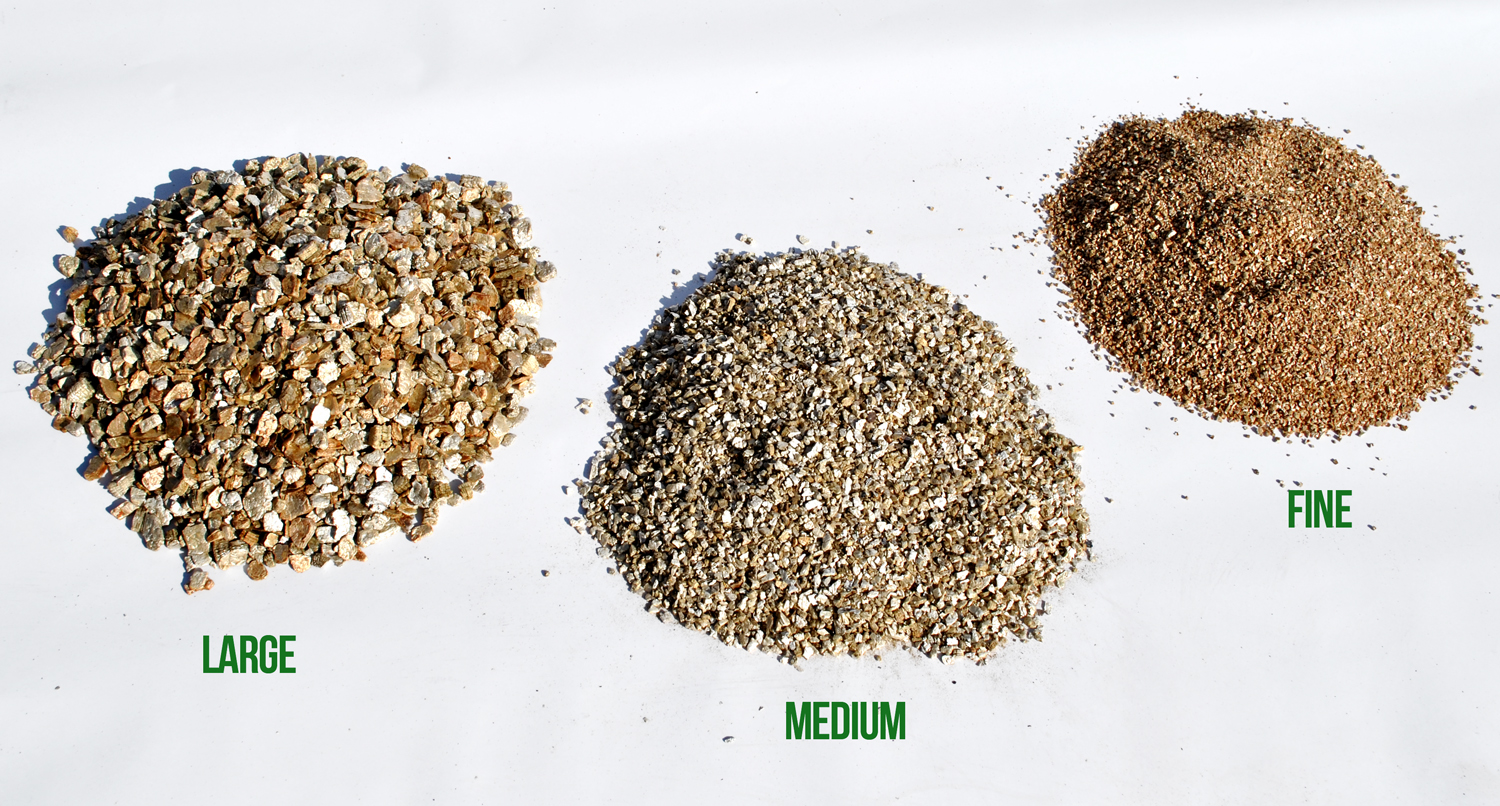
Bioflex Insulation Ltd supplies agricultural and horticultural vermiculite across Kenya and East Africa. We offer various grades to suit your propagation needs:
- Fine grade – for seedlings and soft cuttings
- Medium grade – for general propagation
- Coarse grade – for drainage and hydroponic use
📞 Call 0722 664 867 or Request a Quote for bulk or retail orders.
Related Reading
- Vermiculite for Seed Propagation in Kenya
- Vermiculite for Hydroponics in Kenya
- Vermiculite vs Perlite in Kenya
According to the FAO Soil Management Guidelines, soil conditioners like vermiculite improve root aeration and moisture retention, ensuring healthier plant development.
Root Better with Vermiculite
Using vermiculite for rooting plant cuttings in Kenya ensures faster, cleaner, and more reliable results. It’s the smart choice for growers who want to increase propagation success naturally.
Order today from Bioflex Insulation Ltd — your trusted supplier of premium vermiculite and horticultural solutions.
Call 0722 664 867 or Buy Vermiculite in Kenya.
Frequently Asked Questions (FAQs)
It is best to discard or recycle used vermiculite in the garden. After rooting, it may contain decayed organic matter that can increase the risk of disease.
Yes. Vermiculite is often mixed with perlite or sand to improve drainage and airflow, especially for cuttings that are sensitive to excess moisture.
Most plant cuttings develop roots within 2–4 weeks, depending on the plant type, temperature, and humidity conditions.
Herbs and ornamentals such as basil, mint, rosemary, lavender, roses, pothos, and many succulents root well in vermiculite