Styrofoam Panels vs Rockwool Insulation: Which Is Best for Your Project in Kenya?
When choosing insulation for homes, offices, or industrial spaces, many builders compare Styrofoam panels vs Rockwool insulation to decide which material offers the best performance and value. Both options are widely used in Kenya, yet they serve different needs depending on budget, fire safety, sound control, and ease of installation.
This guide compares Styrofoam panels (EPS sheets) and Rockwool insulation side by side, so you can confidently choose the right solution for your project.
Cost Comparison: Styrofoam Panels vs Rockwool Insulation
Cost is often the first consideration.
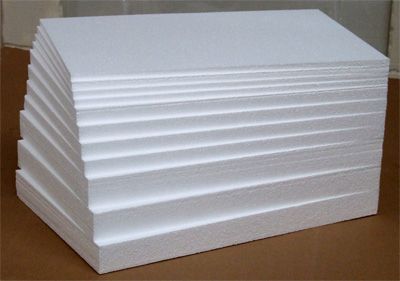
Styrofoam panels are generally more affordable per square meter, making them ideal for budget-conscious residential and commercial projects. Because they are lightweight and easy to transport, installation costs also remain low.
Rockwool insulation usually costs more upfront. However, it delivers added value in soundproofing and fire resistance. Therefore, in industrial buildings or regulated environments, the higher initial cost may be justified.
Summary:
- Lower upfront cost → Styrofoam panels
- Higher performance in safety and acoustics → Rockwool insulation
Thermal and Acoustic Performance
In terms of thermal performance, Styrofoam panels perform exceptionally well. They reduce heat transfer, making them suitable for walls, ceilings, roofs, cold rooms, and packaging applications. Their lightweight nature also simplifies installation.
Rockwool insulation provides both thermal and acoustic insulation. Because it is denser, it absorbs sound more effectively. As a result, it is commonly used in studios, offices, factories, and mechanical rooms.
For projects that require both heat control and noise reduction, combining Styrofoam panels with Rockwool insulation can deliver balanced performance.
Fire Resistance and Safety Considerations
Fire performance is another key difference.
Styrofoam panels are combustible; however, flame-retardant EPS sheets and proper installation significantly reduce fire risk. For most residential and office applications, this level of protection is sufficient.
Rockwool insulation is naturally non-combustible and can withstand very high temperatures without melting. Therefore, it is recommended for fire-sensitive areas, industrial facilities, and escape routes.
Best practice:
Use Styrofoam panels for standard insulation and Rockwool insulation in high-risk or fire-regulated zones.
Installation and Handling
Styrofoam panels are lightweight, easy to cut, and quick to install. They require minimal tools and labor, which makes them suitable for both professional contractors and DIY users.
Rockwool insulation, on the other hand, is heavier and requires protective gear during installation. Because of this, installation may take longer and involve higher labor costs.
For efficiency, many projects use Styrofoam panels as the primary insulation layer and Rockwool only where necessary.
Best Use Cases for Each Insulation Material
Styrofoam panels work best for:
- Residential walls and ceilings
- Cold rooms and refrigeration panels
- Roof and floor insulation
- Packaging and lightweight applications
Rockwool insulation works best for:
- Soundproofing studios and offices
- Fire-sensitive and industrial areas
- High-temperature environments
- Layered insulation systems
In addition, these materials can be complemented with other Bioflex solutions such as Armaflex for pipes, PU foam spray for gaps, or fiberglass panels for extra thermal control.
Conclusion: Styrofoam Panels or Rockwool?
The choice between Styrofoam panels vs Rockwool insulation depends on your priorities.
If you need a cost-effective, lightweight, and easy-to-install insulation solution, Styrofoam panels are the better option. On the other hand, if fire resistance and soundproofing are critical, Rockwool insulation is the safer choice.
For many projects in Kenya, a combined insulation approach delivers the best balance of performance, safety, and cost.
Explore our Styrofoam panels product range or view our Rockwool insulation options to select the right material for your project.
Frequently Asked Questions
Yes. Layering Styrofoam panels with Rockwool provides improved thermal insulation, sound absorption, and added fire protection.
Both materials offer good thermal insulation. However, Styrofoam panels are lighter and easier to install, making them more suitable for most residential applications
Styrofoam can be flammable. However, using flame-retardant EPS sheets and following proper installation practices significantly reduces fire risk.