PU Foam Safety Precautions When Handling Polyol and Isocyanate
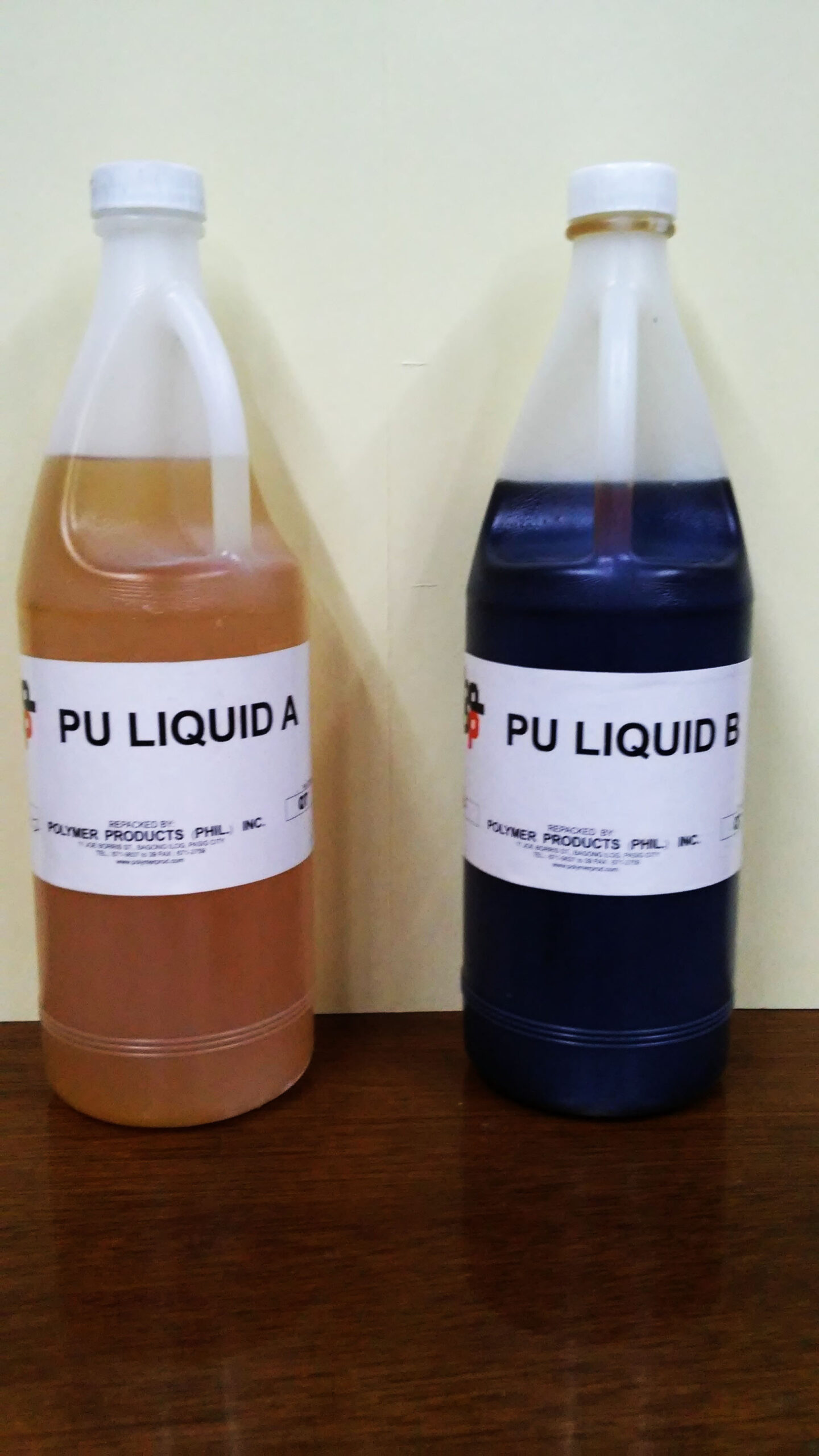
Understanding PU foam safety precautions is essential when working with Polyol and Isocyanate, the two main components of polyurethane foam insulation. These chemicals react to form durable insulation, but they must be handled carefully to protect workers, surfaces, and the environment.
At Bioflex Insulation Ltd, we ensure all PU foam applications across Kenya and East Africa follow proper safety standards, from storage to installation.
Why PU Foam Safety Matters
Polyol and Isocyanate are safe once fully cured, but before that, they can irritate the skin, eyes, or respiratory system if handled incorrectly. Poor ventilation, unprotected contact, or incorrect mixing can expose workers to risks.
By following strict safety guidelines, you can prevent accidents, achieve better results, and ensure compliance with occupational health standards.
Key PU Foam Safety Precautions
1. Always Wear Personal Protective Equipment (PPE)
Before mixing or spraying, wear gloves, goggles, long sleeves, and a respirator. PU foam releases vapors during reaction, which can irritate the lungs if inhaled directly.
2. Work in a Well-Ventilated Area
Ensure proper air circulation when applying foam. Use mechanical ventilation systems or open windows and doors to reduce vapor concentration.
3. Prevent Skin and Eye Contact
If Polyol or Isocyanate splashes on your skin, wash immediately with soap and water. Avoid using solvents. For eye exposure, flush with clean water and seek medical attention.
4. Handle and Mix Carefully
Mix Polyol and Isocyanate in the recommended ratio (usually 1:1) using a clean, dry mixer. Spills should be cleaned promptly with absorbent materials — never with water.
5. Store Chemicals Properly
Store components in their original, tightly sealed containers. Keep them away from direct sunlight or open flames. Ideal storage temperature is between 18°C and 25°C.
6. Dispose of Waste Responsibly
Do not pour leftover chemicals into drains or soil. Allow excess foam to cure completely before disposal according to local environmental regulations.
For technical handling details, visit Mixing Ratio for Polyol and Isocyanate PU Foam.
Workplace Safety During Application
During large-scale applications, such as cold rooms or roof insulation, safety measures become even more critical.
- Use approved spray guns to control pressure and direction.
- Avoid open flames or sparks near mixing zones.
- Rotate workers to minimize exposure time.
- Keep first-aid kits and fire extinguishers on site.
At Bioflex Insulation Ltd, our technicians receive ongoing training to follow these safety standards on every project across Kenya and East Africa.
Why Choose Professional Installation
Handling Polyol and Isocyanate requires technical precision. Certified installers understand correct ratios, curing times, and environmental conditions. By working with trained professionals, you ensure both performance and safety.
Read more in our main blog, Polyol and Isocyanate PU Foam in Kenya & East Africa – Complete Guide or check product details on the Polyol and Isocyanate PU Foam Product Page.
For international safety guidance, refer to the International Association of Polyurethane Manufacturers.
Conclusion
Following proper PU foam safety precautions protects workers and ensures the best insulation results. With correct training, PPE, and handling practices, Polyol and Isocyanate PU foam can be applied safely and effectively.
For expert installation and safety-certified insulation solutions, contact Bioflex Insulation Ltd — your trusted partner in Kenya and East Africa. +254722664867