EPS Beads for Potting Mix and Planters in Kenya
Description
EPS Beads for Potting Mix and Planters in Kenya
Looking for a light, affordable way to improve your potting soil? Bioflex Insulation Limited supplies EPS beads for potting mix in Kenya that help loosen soil, keep it airy and make pots and planters much lighter.
Because our beads are virgin and not recycled, they are clean and free of dust and contaminants. As a result, they mix evenly into soil and stay in good shape for years. So whether you grow indoor plants, run a tree nursery or plant a rooftop garden, our beads can help your plants grow better.
What Do EPS Beads Do in Potting Soil?
Many soils in Kenya, especially red and black cotton soils, become heavy and compacted in pots. Roots then struggle to get air, and water can sit around them for too long.
When mixed into soil, EPS beads create small air pockets. Therefore, roots can breathe, and the soil stays loose instead of packing down. In addition, because the beads are about 98% air, they make the whole pot far lighter.
EPS Beads vs Perlite
Perlite is a popular soil additive, but it can be expensive and hard to find in Kenya. EPS beads, on the other hand, do a similar job of lightening and aerating soil at a lower cost.
However, there is one difference. Perlite holds a little moisture, while EPS beads hold none. For this reason, EPS beads are best for aeration and weight reduction, and you should still use compost or coco peat to hold moisture and nutrients.
Product Specifications
- Material: Virgin expanded polystyrene (EPS)
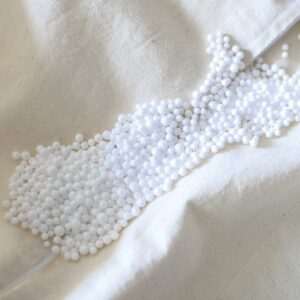
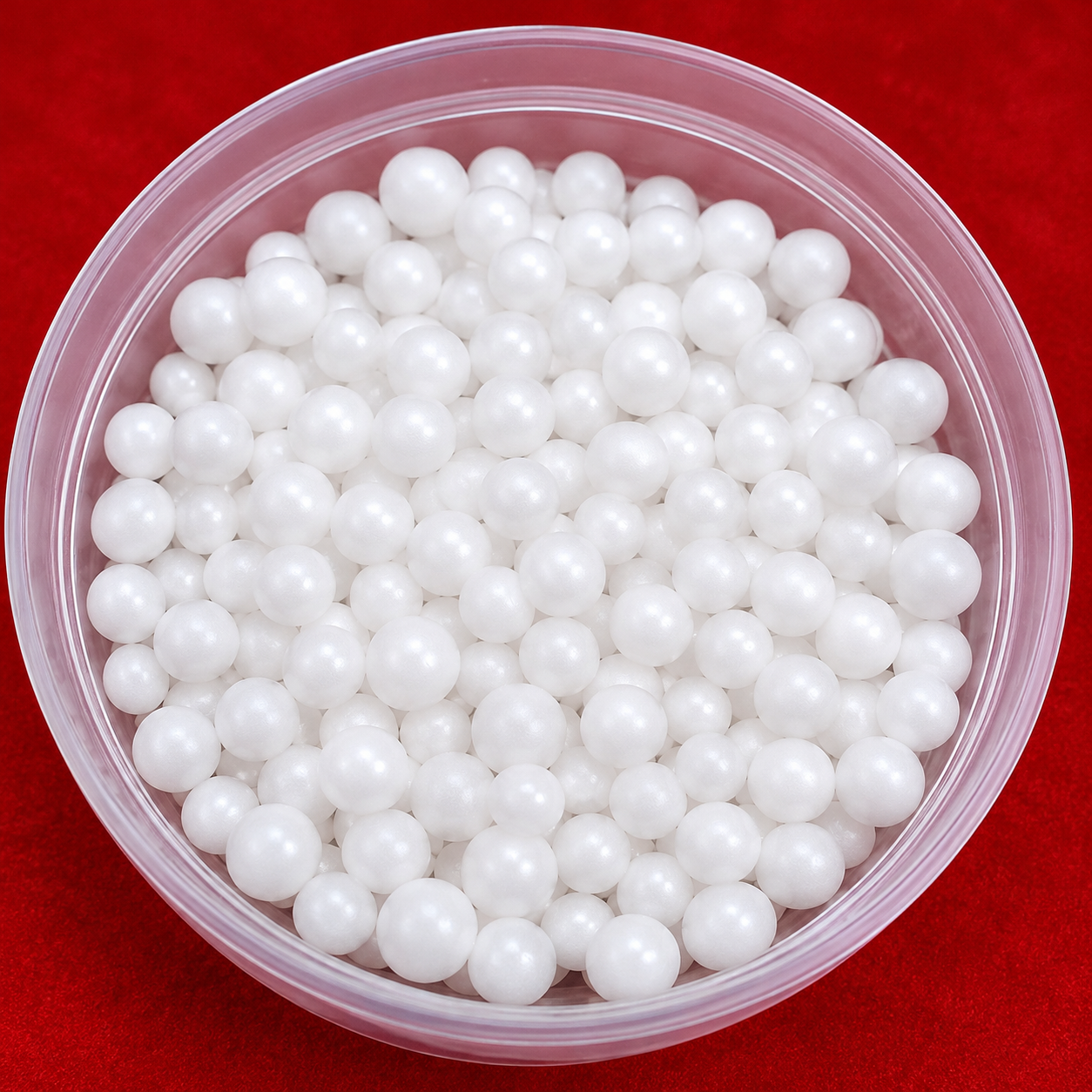
- Bead size: 3–6mm
- Colour: White
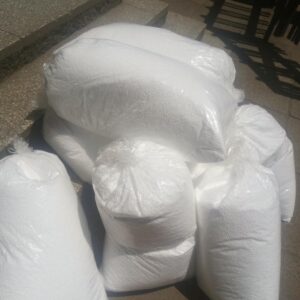
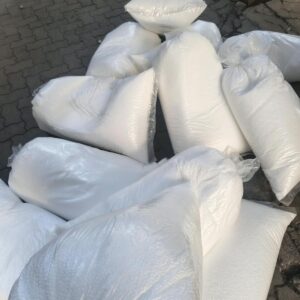
- Packaging: 1kg bags
- Orders: Retail and wholesale
- Pickup: Industrial Area, Nairobi
- Delivery: All counties in Kenya and East African countries
Gardening Uses of EPS Beads
Indoor and Potted Plants
Mixing beads into potting soil keeps it light and airy. As a result, houseplants, succulents and flowering plants grow healthier roots.
Large Planters
Big planters filled with soil become very heavy. Therefore, many landscapers mix beads through the soil, or use a layer of beads in the bottom of very deep planters to reduce the amount of soil needed.
Balcony and Rooftop Gardens
For apartments in Nairobi and other towns, weight matters on balconies and rooftops. Because EPS beads are so light, they help reduce the load your pots put on the structure.
Sack Gardens and Grow Bags
Similarly, sack gardens and grow bags for sukuma wiki, spinach, onions and herbs benefit from looser soil. In addition, lighter bags are easier to move around the compound.
Tree Nurseries and Seedlings
For example, nurseries add beads to propagation mixes, so young roots develop well and seedlings are lighter to transport.
Office, Hotel and Mall Plant Décor
Likewise, interior landscapers use lightweight potting mix in offices, hotels and malls, where heavy pots are hard to move and clean around.
Root Protection in Hot Pots
Black plastic and metal pots get very hot in the sun. Because EPS insulates, a bead-rich mix also helps protect roots from extreme heat.
Benefits of Using EPS Beads in Potting Mix
- Better aeration. The beads create air pockets, so roots get the oxygen they need.
- Less compaction. In addition, soil stays loose and crumbly instead of turning hard.
- Lighter pots. As a result, large planters and grow bags are easier to lift and move.
- Lower cost. EPS beads are an affordable alternative to perlite.
- Long-lasting. EPS does not rot, decompose or attract pests, so it keeps working for years.
- Clean and inert. Virgin beads add nothing harmful to the soil.
- Root insulation. Finally, the beads help shield roots from heat in sun-exposed pots.
Who Buys EPS Beads for Gardening
- Home gardeners growing indoor and balcony plants
- Landscapers and interior plant designers
- Tree and flower nurseries
- Urban farmers growing vegetables in sacks and grow bags
- Apartment dwellers with balcony and rooftop gardens
- Hotels, offices and malls maintaining indoor plants
- Schools with garden projects
- Garden shops and agrovets reselling to customers
How to Mix EPS Beads into Potting Soil
- Prepare your soil. First, combine your garden soil with compost or coco peat for nutrients and moisture.
- Add the beads. Many growers start with about one part beads to three or four parts soil mix. Then adjust: add more beads for lighter, airier soil.
- Mix thoroughly. Turn the mix several times, so the beads are evenly spread.
- Dampen the mix. Because the beads are light, slightly damp soil holds them in place better.
- Top with soil or mulch. Finally, add a thin top layer of plain soil or mulch, so beads don’t float up or blow away when you water.
Using EPS Beads Responsibly
EPS beads are not biodegradable. Therefore, use them in pots, planters, grow bags and enclosed beds rather than open fields, where they could blow away. In addition, when you repot, reuse the old mix instead of throwing it out, because the beads keep working for years.
How Many Bags Do You Need?
The quantity depends on how many pots you are filling and how light you want the mix. For instance, a few houseplants need very little, while a nursery or rooftop garden needs much more.
So tell us the number and size of your pots or planters. Then we’ll estimate the right number of 1kg bags for you.
Pickup and Delivery
- Pickup: Bioflex Insulation Limited, Industrial Area, Nairobi
- Hours: Monday to Saturday, 8am to 5pm
- Delivery: All counties in Kenya, as well as Uganda, Tanzania and other East African countries
Frequently Asked Questions
1. Can I use styrofoam beads in potting soil?
Yes. In fact, EPS (styrofoam) beads are widely used to lighten and aerate potting soil.
2. Are EPS beads a good substitute for perlite?
Yes, for aeration and lighter weight. However, EPS beads don’t hold moisture like perlite, so combine them with compost or coco peat.
3. Are EPS beads safe for plants?
Yes. Our virgin beads are clean and inert, so they don’t release anything harmful into the soil.
4. How much EPS should I mix into soil?
Many growers start with about one part beads to three or four parts soil mix. Then they adjust, depending on how light and airy they want it.
5. Why do the beads float to the top when I water?
Because they are very light, loose beads near the surface can float. Therefore, mix them evenly and top the pot with a thin layer of plain soil or mulch.
6. Can I use EPS beads for vegetables in sack gardens?
Yes. They help keep the soil loose and the sacks lighter. In addition, always mix in plenty of compost for nutrients.
7. Do you supply nurseries and agrovets in bulk?
Yes. We supply wholesale quantities. Read more about wholesale styrofoam beads in Kenya.
8. How much do EPS beads for potting mix cost?
The price depends on the quantity you order. So call or WhatsApp us on 0722 664 867 for a quote. Also, read our guide on the styrofoam beads price in Kenya.