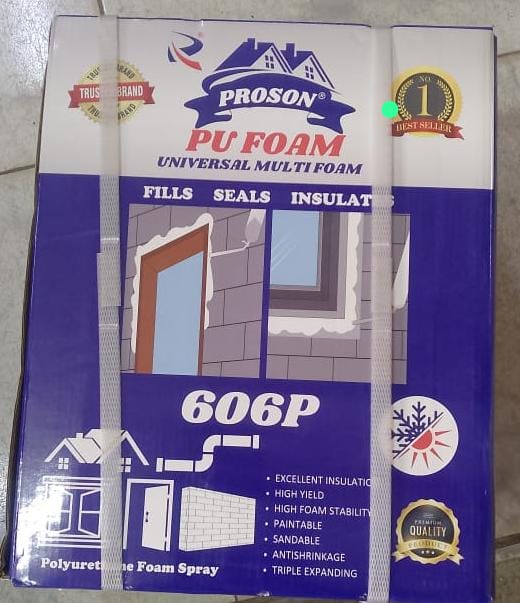
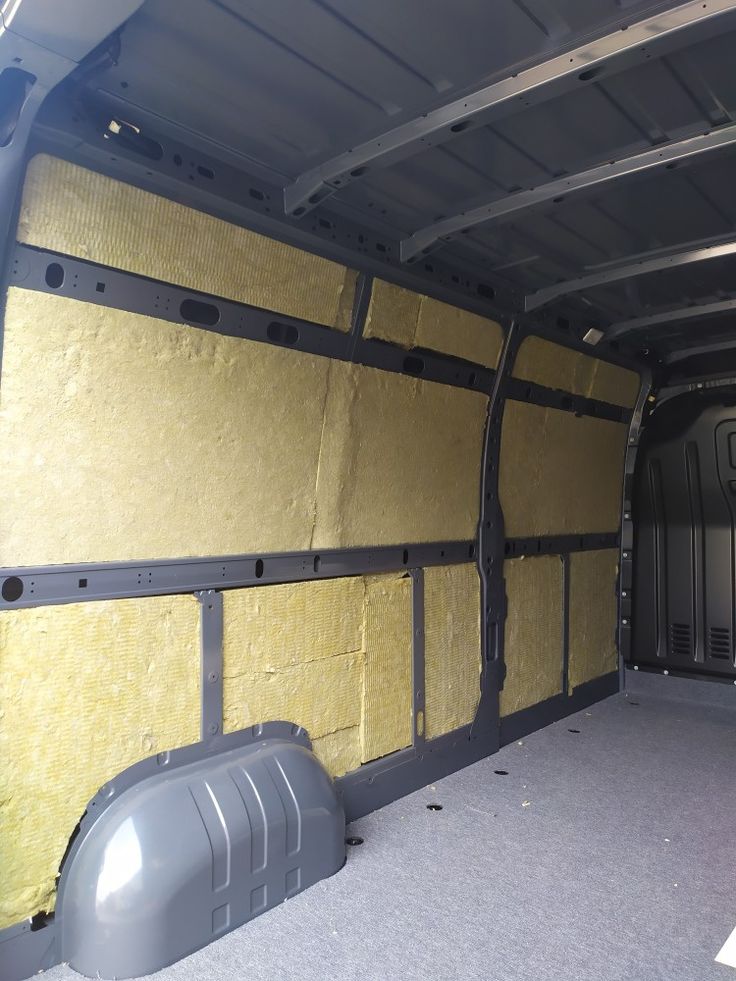
The future of polyurethane foam insulation
The future of polyurethane foam insulation is driven by the growing demand for energy efficiency, durability, and long-term performance in modern buildings.The construction industry is rapidly shifting toward smarter, more energy-efficient materials. While traditional insulation types like fiberglass, rockwool, and Styrofoam are still common, polyurethane (PU) foam insulation is leading the next wave of innovation — redefining energy savings, comfort, and sustainability in modern buildings across Kenya and East Africa.
Advantages of Polyurethane Foam Insulation
- Unmatched Insulation Performance
PU foam boasts one of the highest R-values among insulation materials, ensuring excellent thermal resistance and reduced heat transfer — ideal for both hot and cold environments. - Exceptional Durability
Once applied and cured, polyurethane foam forms a strong, stable layer that can last for decades without losing its insulating properties. - Versatility Across Applications
From residential walls and ceilings to commercial cold rooms, factories, and HVAC systems — PU foam adapts to nearly any surface or project size. - Superior Moisture Resistance
PU foam creates a seamless barrier that prevents water infiltration, effectively reducing mold, corrosion, and condensation problems.
Why Polyurethane Foam Represents the Future
- Enhanced Energy Efficiency Standards
As Kenya and the wider East African region move toward greener building codes, PU foam helps developers and homeowners meet energy compliance targets with ease. - Significant Long-Term Cost Savings
While the initial cost of PU foam may be higher than traditional materials, its superior performance drastically cuts energy bills — paying for itself over time. - Sustainable and Eco-Friendly Formulations
Modern PU systems are designed with reduced environmental impact, featuring low-VOC components and improved recyclability. - Adaptability to Modern Construction Needs
With its ability to fill gaps, bond to irregular surfaces, and perform under extreme conditions, PU foam aligns perfectly with evolving architectural and industrial requirements.
Explore PU Foam and Alternative Solutions
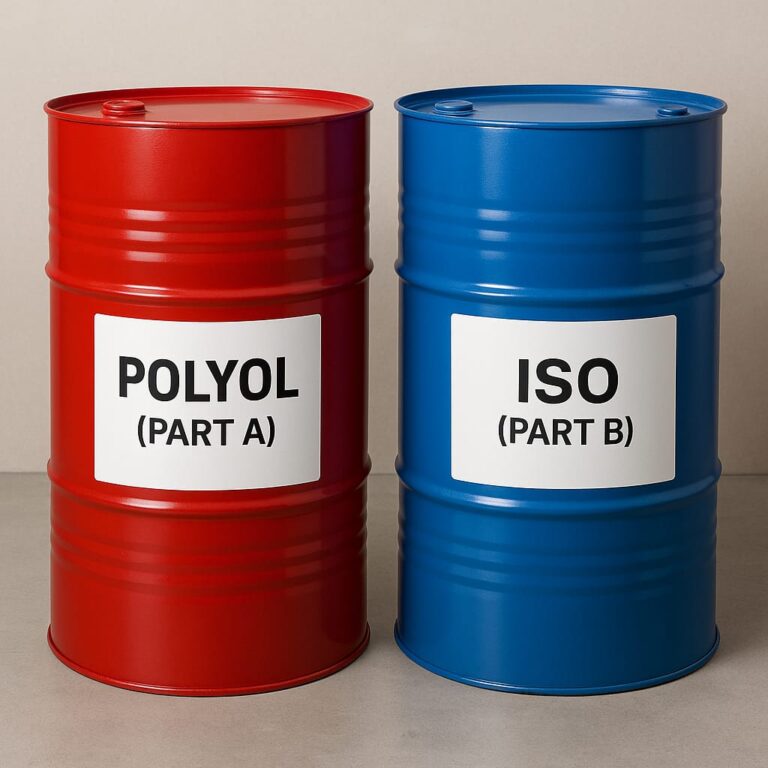
At Bioflex Insulation Ltd, we provide premium polyol and isocyanate (PU foam systems) for residential, commercial, and industrial projects.
Our experts guide you in selecting the right insulation solution to match your project’s needs — whether it’s:
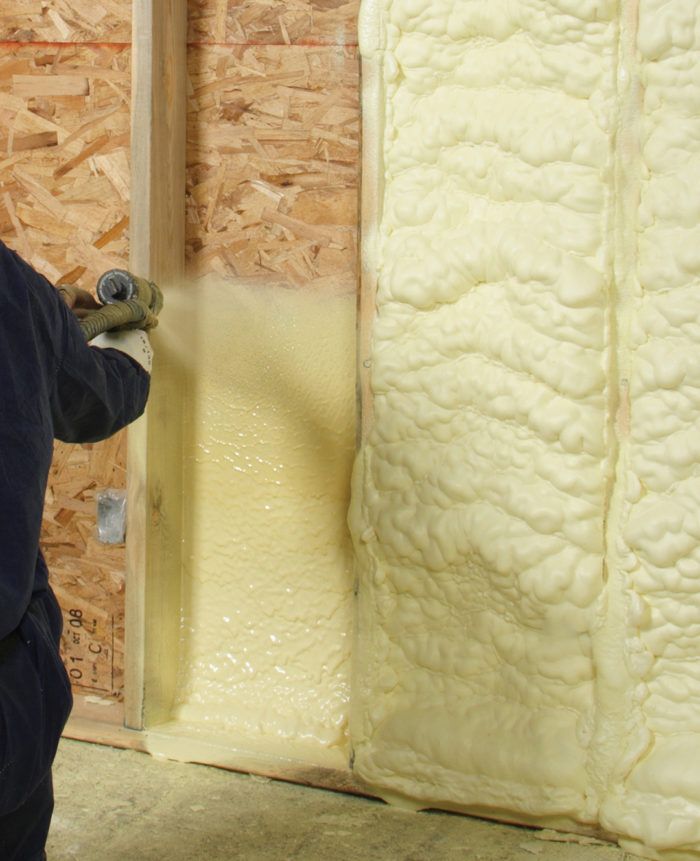
- Polyurethane Spray Foam for superior thermal sealing
- Polyethylene Foam for lightweight, flexible insulation
- Fiberglass or Armaflex Insulation for HVAC, ducts, and acoustic applications
Final Thoughts
The future of insulation is already here — and it’s polyurethane foam.
With its unmatched thermal efficiency, moisture control, and sustainability, PU foam insulation continues to lead the way in energy-smart construction across Kenya. Trust Bioflex Insulation Ltd for quality materials, technical guidance, and expert installation support that ensure lasting comfort and performance.
As construction standards evolve, the future of polyurethane foam insulation continues to focus on sustainability, thermal performance, and versatility.
FREQUENTLY ASKED QUESTIONS FAQs
Polyurethane foam offers higher thermal resistance and seals gaps more effectively, which significantly reduces energy loss.
Yes. Polyurethane foam performs well in hot and tropical climates by keeping indoor spaces cooler and lowering cooling costs.
No. When installed correctly, PU foam remains effective for many years without the need for regular maintenance.
Modern polyurethane foams are manufactured using eco-friendly blowing agents that help minimize environmental impact.