
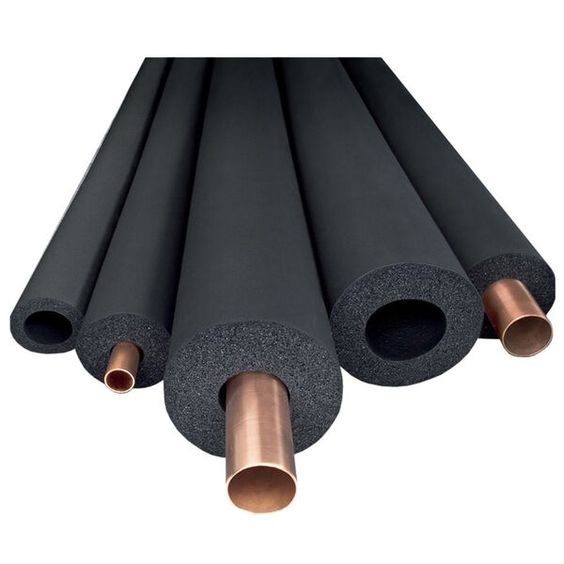
Refrigeration & HVAC Insulation

Refrigeration & HVAC Insulation

Refrigeration and HVAC systems require insulation that resists heat gain, prevents moisture problems, and maintains stable temperatures. In Kenya and East Africa, these systems operate in demanding environments that expose pipes and equipment to heat, humidity, and rapid temperature changes. This category explains the insulation materials used in cold rooms, chillers, air conditioners, and commercial refrigeration systems. It also shows how proper insulation improves energy efficiency and system reliability. You will find guides that offer practical solutions for real installation challenges.

What This Category Covers

This category provides detailed information about insulation for cold room pipes, HVAC copper lines, refrigerant suction lines, and chilled water systems. You will learn how insulation reduces energy loss, prevents sweating, and protects equipment from corrosion. Many refrigeration systems in Kenya consume excessive electricity due to poor or worn-out insulation. These blogs explain how proper materials solve these problems. For example, installers often choose Armaflex Sheets for refrigeration pipes because the closed-cell structure stops moisture penetration. You may also explore Polyethylene Foam Insulation for light-duty HVAC applications. When systems operate at higher temperatures, contractors may use Rockwool Insulation  for safe and stable performance.

Who Benefits From This Category

This category supports cold room installers, HVAC technicians, supermarket refrigeration teams, building contractors, and industrial engineers. It also helps business owners reduce operational costs or prevent moisture-related damage. The content explains concepts while still providing technical accuracy. Because the information is practical and location-specific, it guides users toward the right insulation for East African conditions. These refrigeration and HVAC insulation aim to build confidence and improve installation results.

Why Refrigeration and HVAC Insulation Matter

Refrigeration and HVAC systems lose energy when pipes absorb heat from the surrounding air. As a result, compressors work harder and consume more electricity. In addition, temperature differences between cold pipes and warm air cause rapid condensation. This moisture leads to pipe corrosion, mold, and water dripping. Reliable insulation solves these issues.  Furthermore, high humidity in coastal Kenya increases the need for strong vapor barriers. Materials like Armaflex block moisture and keep cold lines dry. To understand global recommendations, refer to ASHRAE on vapor barrier performance and thermal resistance.

Related Applications and Product Links

Cold rooms, supermarkets, chiller plants, and HVAC systems all depend on effective pipe insulation. If you are working in a cold room, you may need insulation for suction lines, liquid lines, or evaporator connections. In this case, review our Armaflex Sheets Product Page, which explains available thicknesses and specifications. For large commercial HVAC systems, consider exploring HVAC Duct Insulation Blogs within this category. If your project involves both cold and hot systems, combining Armaflex with Rockwool Insulation may offer complete protection.

Explore More Knowledge

As you browse this category, you will learn how insulation improves energy efficiency, prevents system failures, and supports long-term reliability. These refrigeration and HVAC insulation guides will help you select the right materials and apply them correctly. Each post offers actionable solutions that match East African operating conditions.