Installation Guide for Pipes and Ducts
Installing insulation without protection is like leaving your walls unpainted — they won’t last long.
That’s why aluminium cladding sheets in Kenya are essential for all pipe and duct insulation systems.
When installed correctly, these aluminium insulation covers protect materials such as Rockwool and Armaflex from moisture, heat, and impact.
In this guide, Bioflex Insulation Ltd walks you through how to install aluminium cladding sheets in Kenya step by step — ensuring your insulation remains durable, energy-efficient, and weatherproof for years.
1. Understanding Aluminium Cladding Sheets in Kenya and Their Purpose
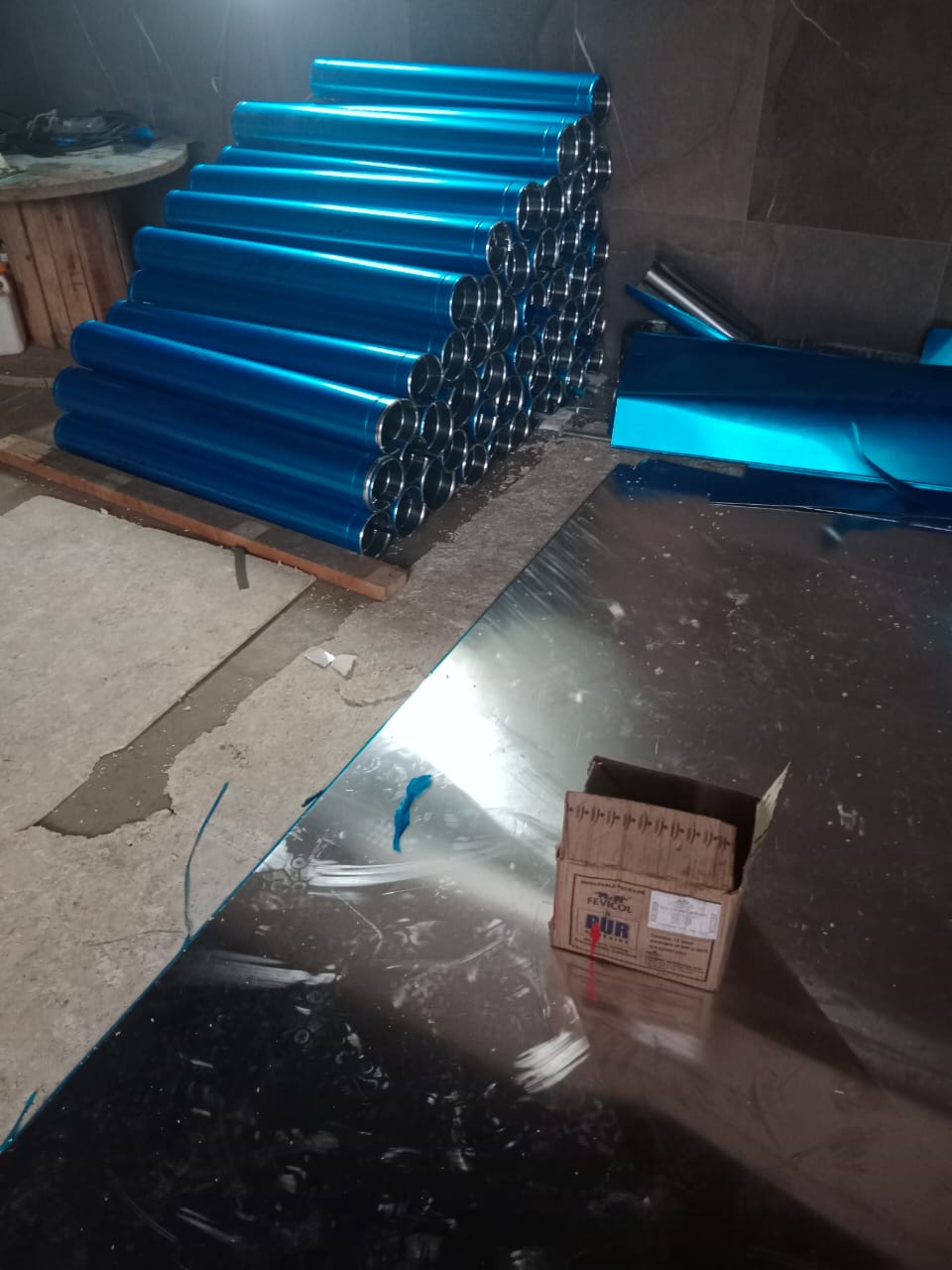
Aluminium cladding sheets (also known as metal jacketing or aluminium insulation covers) form a protective layer around insulation systems.
They prevent weather damage, UV degradation, and mechanical wear — all of which are common in Kenya’s industrial and outdoor environments.
Without proper cladding, insulation quickly absorbs water and deteriorates.
Therefore, aluminium cladding not only improves longevity but also enhances system efficiency and aesthetics.
2. Tools and Materials You’ll Need
Before beginning installation, ensure all materials and tools are ready. This preparation reduces mistakes and speeds up the process.
Materials:
- Aluminium cladding sheets (plain or embossed)
- Aluminium Tapes for sealing seams
- Rockwool Insulation or Armaflex Sheets for the inner layer
- Stainless-steel bands, clamps, or screws
Tools:
- Tin snips or metal shears
- Measuring tape
- Drill or rivet gun
- Safety gloves and goggles
Having the right tools guarantees a clean and professional finish during the installation of aluminium cladding sheets in Kenya.
3. Step-by-Step Installation of Aluminium Cladding Sheets
Follow these steps to install aluminium cladding correctly and achieve a durable insulation system.
Step 1: Prepare the Surface
Ensure the insulated surface is clean, dry, and properly fitted.
Any gaps or moisture under the insulation will compromise performance.
Step 2: Measure and Cut the Sheets
Measure the circumference and length of the pipe or duct.
Next, cut the aluminium cladding sheets accordingly, allowing for a 25–50mm overlap to prevent gaps.
Step 3: Wrap and Secure the Cladding
Wrap the aluminium sheet around the insulation and fasten it with stainless-steel bands or screws.
For vertical installations, always start from the bottom to stop rainwater from seeping in.
Step 4: Seal the Joints
Use Aluminium Tapes to seal all joints, overlaps, and seams.
This step is critical for preventing water and dust from entering the insulation.
Step 5: Cover Corners and Edges
Cut smaller pieces of aluminium to neatly cover corners, elbows, or duct bends.
Secure them firmly with bands or tape to maintain a professional look.
Step 6: Inspect and Finish
Once done, inspect for loose ends or sharp edges.
Tighten fasteners, smooth seams, and confirm that all areas are sealed properly.
A thorough inspection ensures your aluminium jacketing performs optimally for years.
4. Safety Tips for Installing Aluminium Cladding Sheets
- Always wear gloves and eye protection when cutting or fitting aluminium.
- Avoid installing near live electrical systems.
- Use stable ladders or scaffolding for elevated ducts.
- Handle sheets carefully to prevent injury or dents.
Safety precautions are crucial when installing aluminium cladding sheets in Kenya, especially in industrial environments.
5. Common Mistakes to Avoid During Installation
Even skilled technicians can make small mistakes that reduce insulation life.
Avoid the following to ensure maximum durability:
- Leaving unsealed joints that allow moisture in.
- Using ordinary adhesive tape instead of aluminium tape.
- Cutting sheets too short or unevenly.
- Ignoring periodic inspection and maintenance.
By avoiding these mistakes, your insulation will remain efficient and damage-free.
6. Benefits of Installing Aluminium Cladding Sheets in Kenya
When installed correctly, aluminium cladding sheets provide lasting benefits:
- Enhanced durability: Protects insulation from water, UV, and impact.
- Better thermal efficiency: Maintains optimal heat or cold retention.
- Reduced maintenance costs: Long-term system protection.
- Professional appearance: Clean, uniform, and corrosion-resistant finish.
- Increased lifespan: Extends insulation life by over 10 years.
Learn more about the role of aluminium cladding in our related article:
➡️ Why Aluminium Cladding Sheets Are Essential for Protecting Insulation in Kenya
FAQs
Q1: Can aluminium cladding be used for both hot and cold systems?
Q2: How long does aluminium cladding last outdoors?
Q3: Can I install cladding myself?
Conclusion
Proper installation of aluminium cladding sheets in Kenya is the difference between an insulation system that lasts decades and one that fails in a few years.
When you choose quality cladding materials and installation accessories from Bioflex Insulation Ltd, you ensure your insulation is efficient, weatherproof, and built to last.
Contact Bioflex Insulation Ltd today for expert advice, reliable materials, and professional insulation protection solutions across Kenya and East Africa.