Why Do AC and Refrigeration Pipes Sweat? (And How to Stop It Permanently)
If you have ever noticed water dripping from your air conditioning or refrigeration pipes, that is, AC pipe sweating, you are not alone. Many homeowners, technicians, and facility managers in Kenya experience this problem and often assume it is a leak. In reality, most cases of dripping pipes are caused by pipe sweating, also known as condensation.
Pipe sweating may look harmless at first, but over time, it leads to damaged ceilings, stained walls, mold growth, rusted pipes, and higher electricity bills. Understanding why this happens is the first step to stopping it permanently.
What Does It Mean When Pipes Are Sweating?
Pipe sweating occurs when warm, humid air comes into contact with a cold pipe surface. As the warm air cools rapidly, the moisture in the air turns into water droplets on the pipe. This is the same process that causes water to form on a cold bottle removed from a fridge.
In refrigeration and air conditioning systems, copper pipes carry cold refrigerant. When these pipes are not properly insulated, condensation forms continuously, especially in humid environments.
Main Causes of AC and Refrigeration Pipe Sweating
1. Lack of Proper Pipe Insulation
The most common cause of sweating pipes is missing or poor-quality insulation. Bare pipes or thin insulation allow warm air to touch the cold surface directly.
2. Wrong Type of Insulation
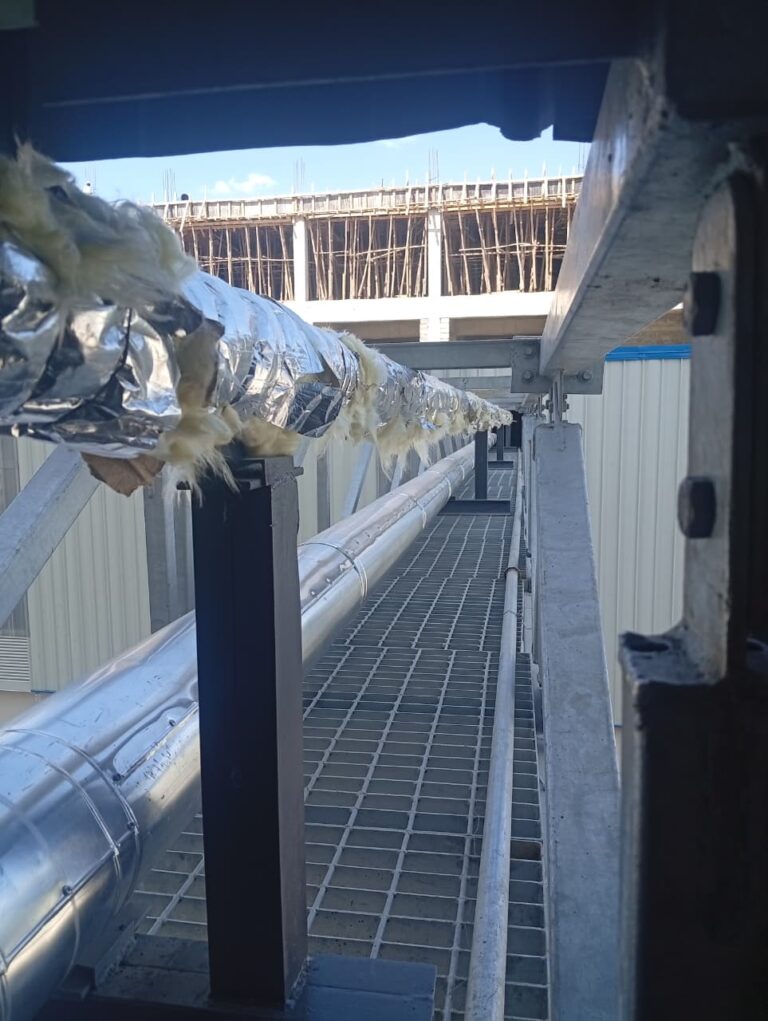
Some systems use insulation materials that absorb moisture, such as open-cell foam or damaged fiberglass. Once wet, these materials stop insulating and worsen condensation.
3. Gaps and Poor Installation
Even good insulation will fail if joints are not sealed properly. Small gaps allow moisture to enter and settle on the pipe surface.
4. High Humidity Levels
Coastal regions and humid indoor spaces increase the rate of condensation, making proper insulation even more important.
Why Sweating Pipes Are a Serious Problem
Ignoring pipe sweating causes more damage than many people realize.
- Water dripping damages ceilings, walls, and floors
- Mold and mildew grow in damp areas, affecting indoor air quality
- Pipes corrode faster due to constant moisture
- Refrigeration systems lose cooling efficiency
- Electricity bills increase due to heat gain
In commercial spaces such as cold rooms and supermarkets, these problems translate into higher operating costs and frequent repairs.
How to Stop AC and Refrigeration Pipes from Sweating Permanently
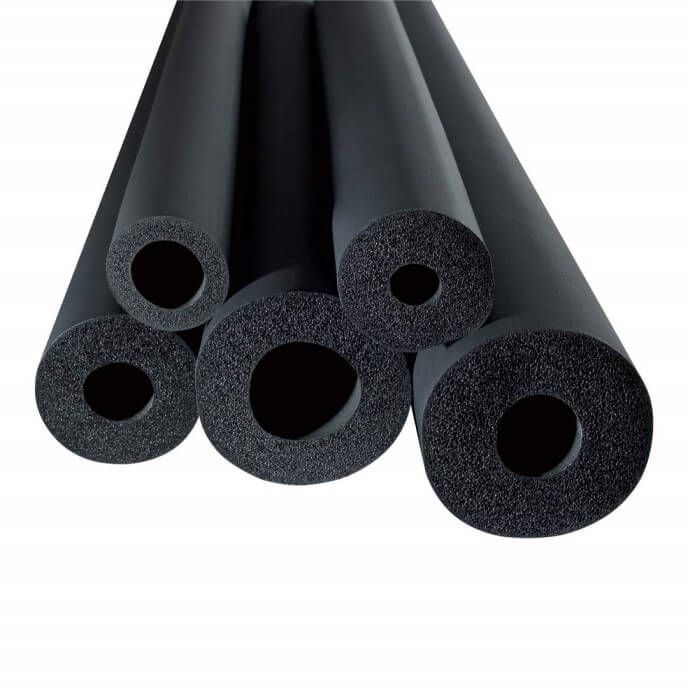
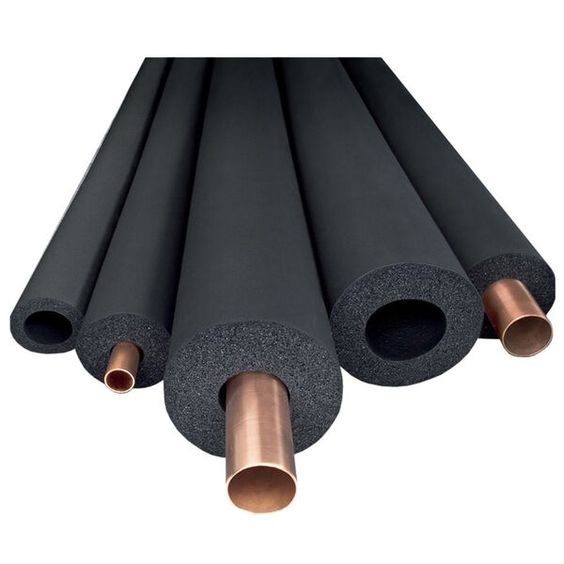
The only reliable long-term solution is proper pipe insulation using closed-cell rubber insulation.
Why Closed-Cell Rubber Insulation Works
Closed-cell insulation prevents moisture from entering the material. This means condensation cannot form inside or on the pipe surface.
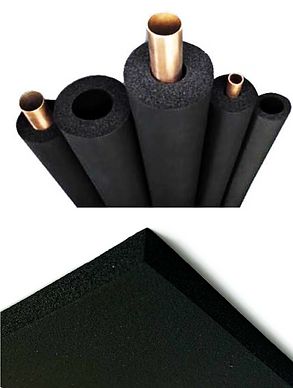
Armaflex pipe insulation is specifically designed for refrigeration and HVAC systems. It fits tightly around pipes, blocks moisture, and maintains stable temperatures.
When installed correctly, it:
- Eliminates surface condensation
- Protects pipes from corrosion
- Improves energy efficiency
- Extends system lifespan
You can learn more about this solution on the Armaflex pipes product page.
For full system protection, Armaflex pipes are often used together with Armaflex sheets for fittings, valves, and joints.
Common Mistakes to Avoid When Insulating Pipes
- Using insulation that absorbs water
- Choosing the wrong thickness for the pipe size
- Leaving joints unsealed
- Reusing old, damaged insulation
Correct sizing and installation are just as important as the insulation material itself.
When Should You Replace Existing Pipe Insulation?
You should replace insulation if:
- It feels wet or spongy
- You still see condensation after installation
- It has cracks or gaps
- It smells musty or shows mold
Replacing poor insulation early prevents costly repairs later.
According to the U.S. Department of Energy, proper insulation plays a critical role in preventing heat transfer and condensation in cooling systems. https://www.energy.gov/energysaver/insulation
Frequently Asked Questions
No. Pipe sweating is caused by condensation, not refrigerant leaks.
No. Tape and paint do not stop condensation. Proper insulation is required.
Yes. Proper insulation prevents heat gain, allowing systems to run more efficiently.
Yes. Closed-cell Armaflex insulation performs well in humid and high-temperature environments.
Call us Today:
If your AC or refrigeration pipes are sweating, contact Bioflex Insulation Ltd on +254722664867 for expert advice and the right Armaflex pipe insulation solution.