Lagging vs Cladding in Kenya: What Is the Difference?
Lagging vs cladding in Kenya is a common topic in industrial insulation, especially for factories, contractors, and engineers. Many people confuse the two, yet each plays a different role in insulation systems.
In simple terms, lagging reduces heat loss, while cladding protects the insulation. Therefore, both are essential for an effective and durable insulation system.
What is Lagging in Industrial Insulation?
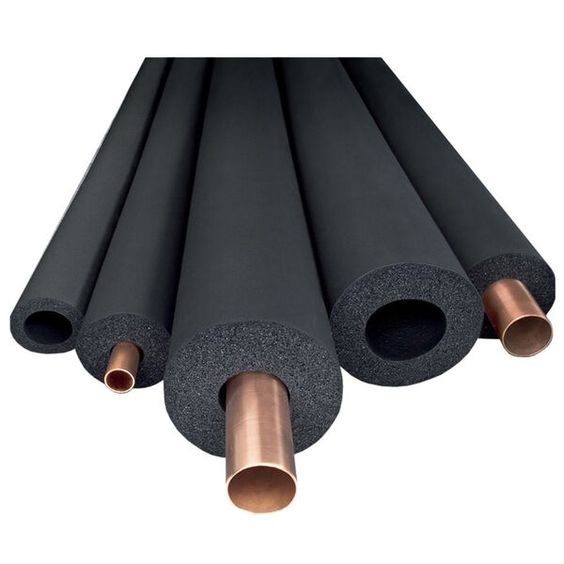
Lagging refers to the insulation material applied to pipes, boilers, and equipment to reduce heat transfer.
It helps maintain temperature and improve energy efficiency in industrial systems.
To understand lagging in detail, read:
Why Industrial Pipes Need Thermal Lagging
What is Cladding in Industrial Insulation?
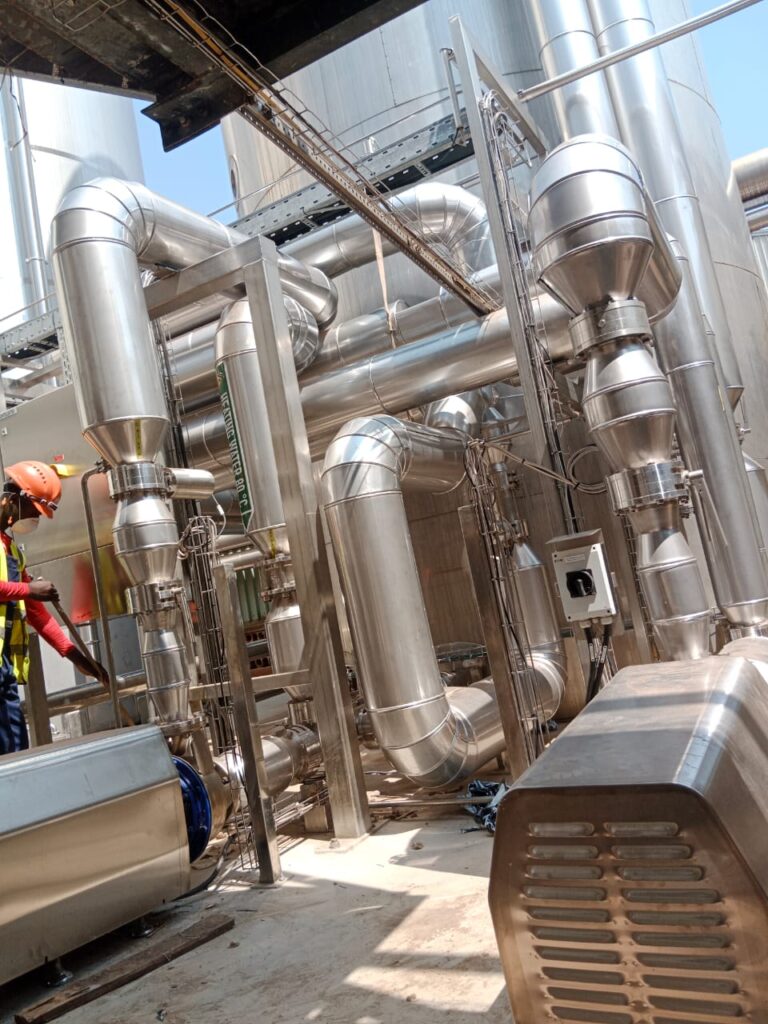
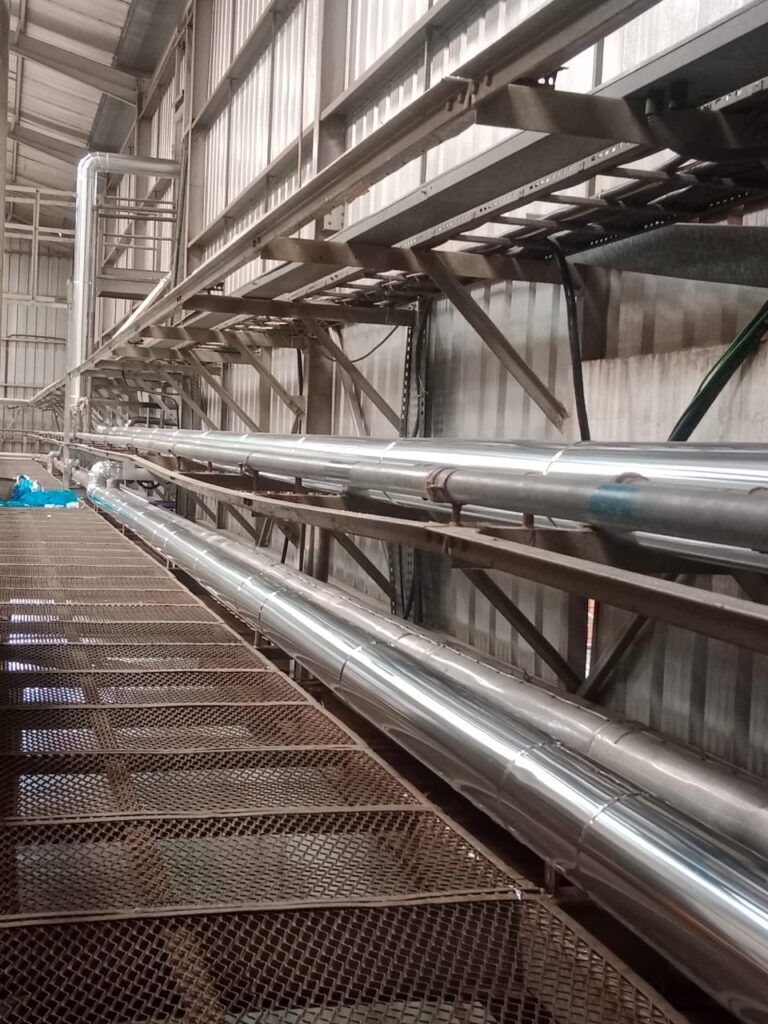
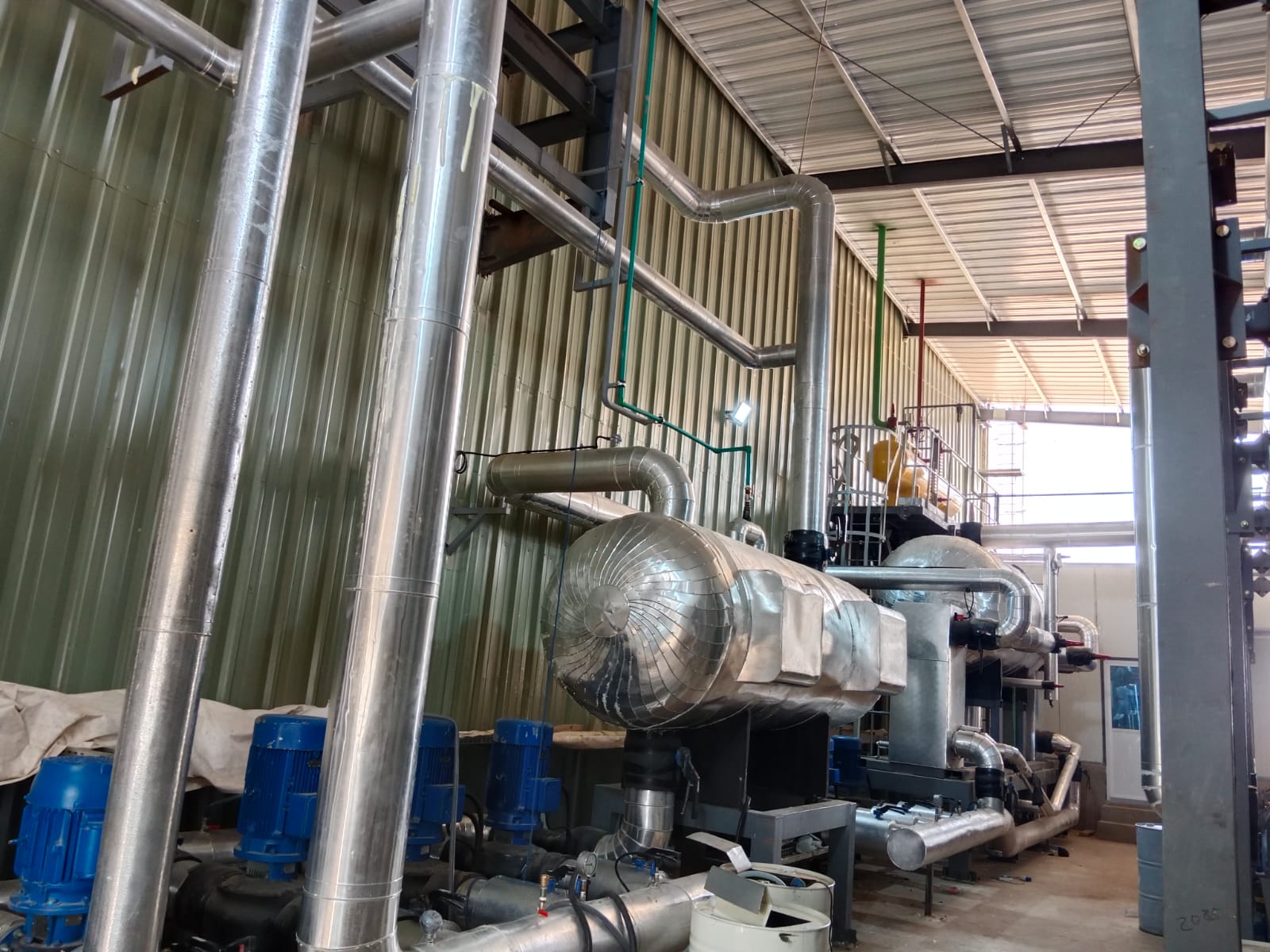
Cladding is the outer layer, usually made of aluminum, that covers and protects insulation materials.
It shields insulation from:
- Moisture
- Weather conditions
- Mechanical damage
For more details, visit:
Aluminum Cladding Insulation Services in Kenya and East Africa
Key Differences Between Lagging and Cladding in Kenya
Purpose
Lagging reduces heat loss, while cladding protects insulation materials.
Function
Lagging improves energy efficiency.
Cladding increases durability and lifespan.
Materials Used
Lagging uses materials such as:
- Rockwool
- Fiberglass
- Ceramic fiber
Cladding uses:
- Aluminum sheets
- Metal jacketing
Application
Lagging is applied directly to pipes and equipment.
Cladding is installed over the insulation layer.
Why Lagging and Cladding Work Together
Lagging and cladding form a complete insulation system.
First, lagging minimizes heat loss.
Then, cladding protects the insulation from external damage.
As a result, the system becomes more efficient, durable, and cost-effective.
Benefits of Combining Lagging and Cladding
Using both systems together provides several advantages:
- Maximum energy efficiency
- Protection against moisture and damage
- Longer insulation lifespan
- Reduced maintenance costs
- Improved system performance
To understand energy savings, read:
How Lagging Reduces Energy Costs in Factories
Industrial Applications in Kenya
Lagging and cladding are widely used in:
- Factories and manufacturing plants
- Food processing industries
- Hospitals
- Commercial buildings
- Boilers and steam systems
Industry Standards and Best Practices
Proper insulation systems follow international standards. Organizations like ASHRAE provide guidelines on insulation performance.
In addition, the International Energy Agency emphasizes energy efficiency in industrial systems.
Conclusion
Understanding lagging vs cladding in Kenya helps industries design effective insulation systems. While lagging improves energy efficiency, cladding protects the system and ensures long-term performance.
In summary, both are essential and should be used together for maximum efficiency and durability.
Looking for professional insulation solutions?
Contact Bioflex Insulation Ltd today for expert lagging and cladding services across Kenya and East Africa. +254722664867
FAQs
Lagging reduces heat loss, while cladding protects the insulation.
Yes, combining both provides the best performance and durability.
Cladding alone does not provide insulation, so both are needed.