How Incinerators Work in Kenya
How incinerators work in Kenya is a common question for hospitals, schools, and institutions that need safe waste disposal. Many people use incinerators without fully understanding how they function.
However, understanding the process helps you choose the right system and operate it efficiently. Therefore, this guide explains how incinerators work simply and practically.
What is an Incinerator?
An incinerator is a system that burns waste at high temperatures to reduce it to ash.
It is commonly used for:
- Medical waste
- General waste
- Industrial waste
For professional solutions, visit:
Incinerator Construction Services in Kenya and East Africa
How Incinerators Work Step by Step
Step 1: Waste Loading
Operators place waste inside the incinerator chamber.
First, proper loading ensures efficient burning and prevents overloading.
Step 2: Primary Combustion
The incinerator burns waste in the main chamber.
As a result, waste starts to break down under high temperatures.
Step 3: Secondary Combustion
Gases produced during burning move to a secondary chamber.
Here, higher temperatures burn remaining gases completely. Therefore, this reduces harmful emissions.
Step 4: Heat Retention (Refractory Role)
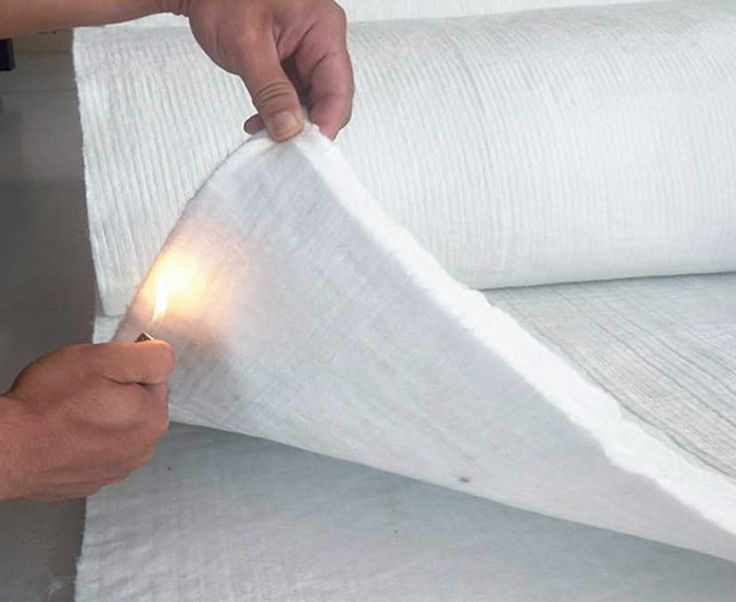
The incinerator is lined with refractory materials.
These materials retain heat and ensure consistent high temperatures. As a result, combustion becomes more efficient.
Step 5: Ash Collection
After burning, only ash remains.
Finally, operators remove the ash safely for disposal.
Why High Temperature Matters
High temperatures ensure complete combustion.
If temperatures are too low, waste does not burn properly. As a result, smoke and harmful emissions increase.
Importance of Refractory Materials
Refractory materials are critical in incinerators.
They:
- Retain heat
- Improve efficiency
- Increase durability
Therefore, quality refractory construction determines performance and lifespan.
Common Problems with Poor Incinerators
Many systems fail due to poor design.
- Low temperatures
- Excess smoke
- Frequent breakdowns
- High maintenance costs
As a result, choosing the right system is very important.
Industry Guidelines
Proper waste disposal is essential for health and safety. Organizations like the World Health Organization guide medical waste management.
Conclusion
Understanding how incinerators work in Kenya helps institutions manage waste safely and efficiently.
Therefore, investing in a properly designed incinerator ensures better performance, safety, and compliance.
Looking for a reliable incinerator solution?
Contact Bioflex Insulation Ltd today for expert incinerator construction services across Kenya and East Africa. +254722664967
FAQs
It burns waste at high temperatures in controlled chambers.
It burns gases completely to reduce emissions.
They retain heat and improve efficiency