How Industrial Pipe Lagging in Kenya Reduces Energy Costs in Factories
Industrial pipe lagging energy savings in Kenya are one of the most effective ways to reduce operational costs in factories. Many industries lose significant energy through uninsulated pipes. As a result, they spend more on fuel and electricity than necessary.
Therefore, installing proper thermal lagging helps factories maintain temperatures, reduce heat loss, and improve overall efficiency.
Why Factories Lose Energy Without Lagging
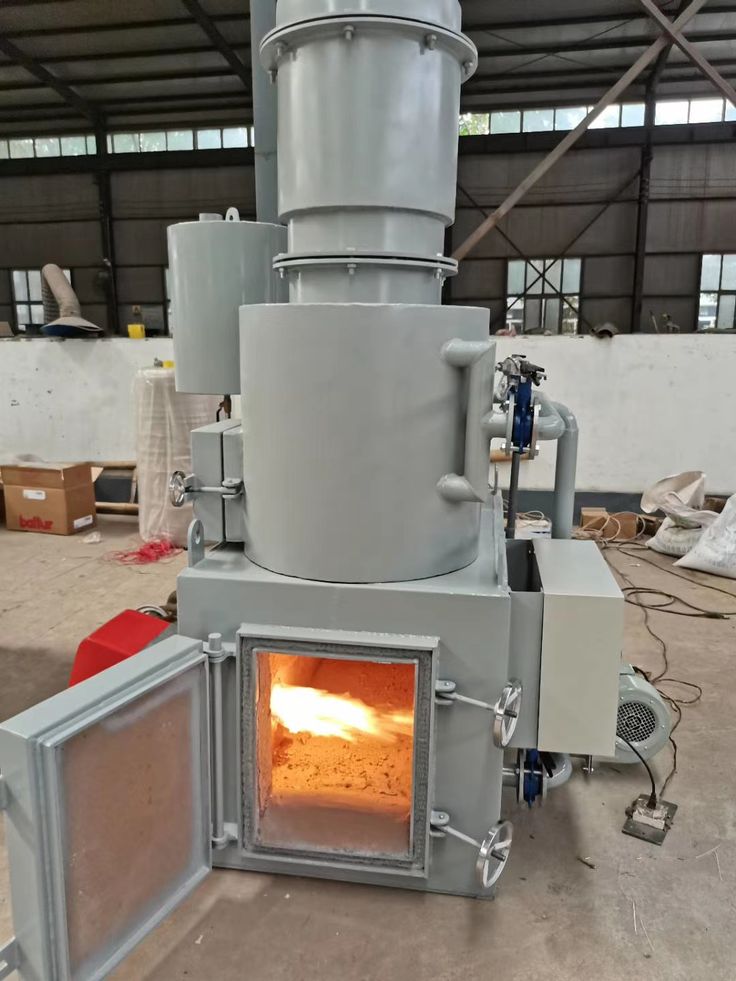
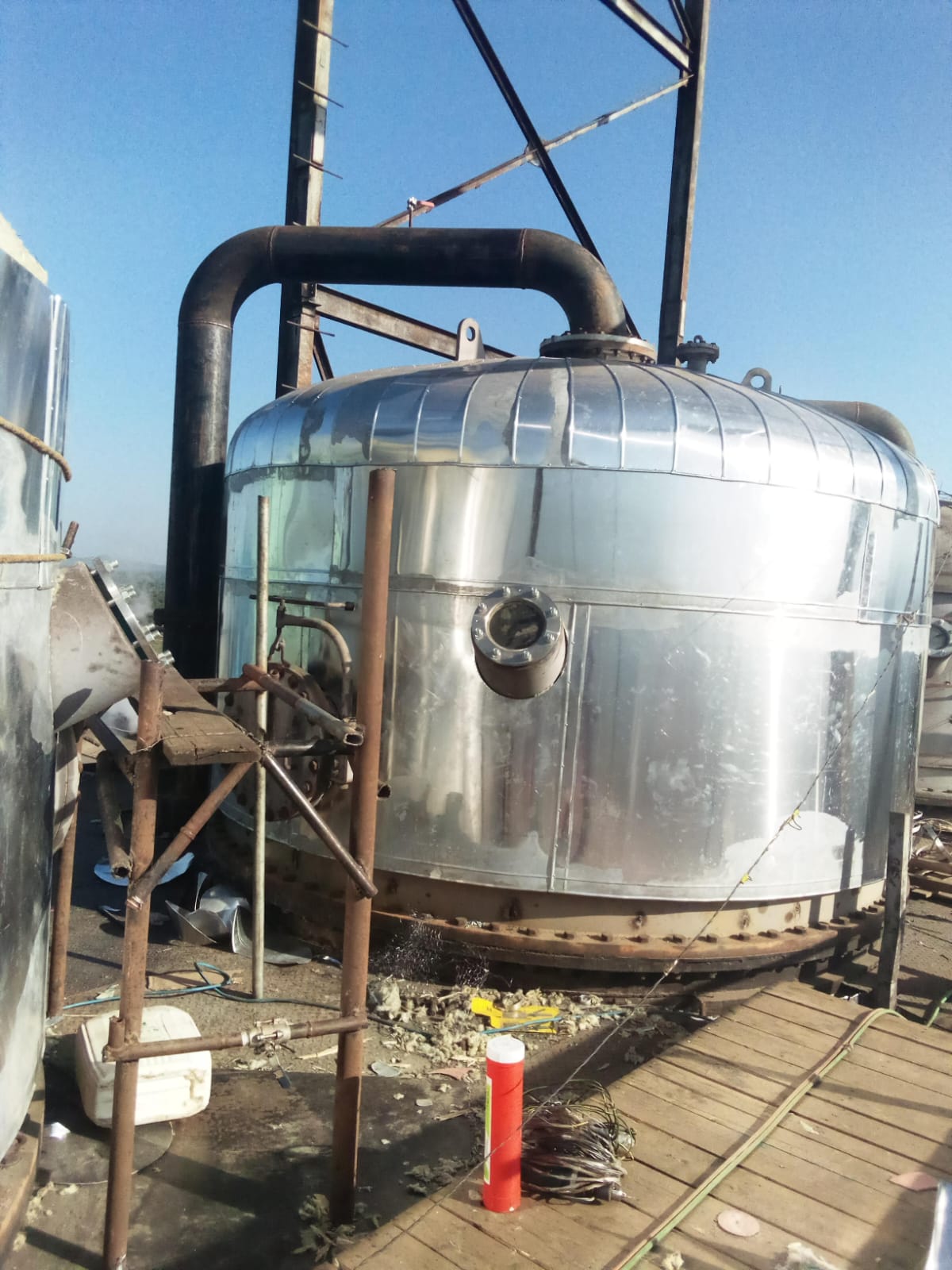
Factories rely on heated systems such as steam pipes, boilers, and tanks. However, when these systems remain uninsulated, heat escapes into the environment.
Consequently, the system must work harder to maintain temperature, which increases energy consumption.
In addition, this leads to:
- Higher fuel costs
- Increased equipment strain
- Reduced system efficiency
How Industrial Pipe Lagging Saves Energy
Reduces Heat Loss
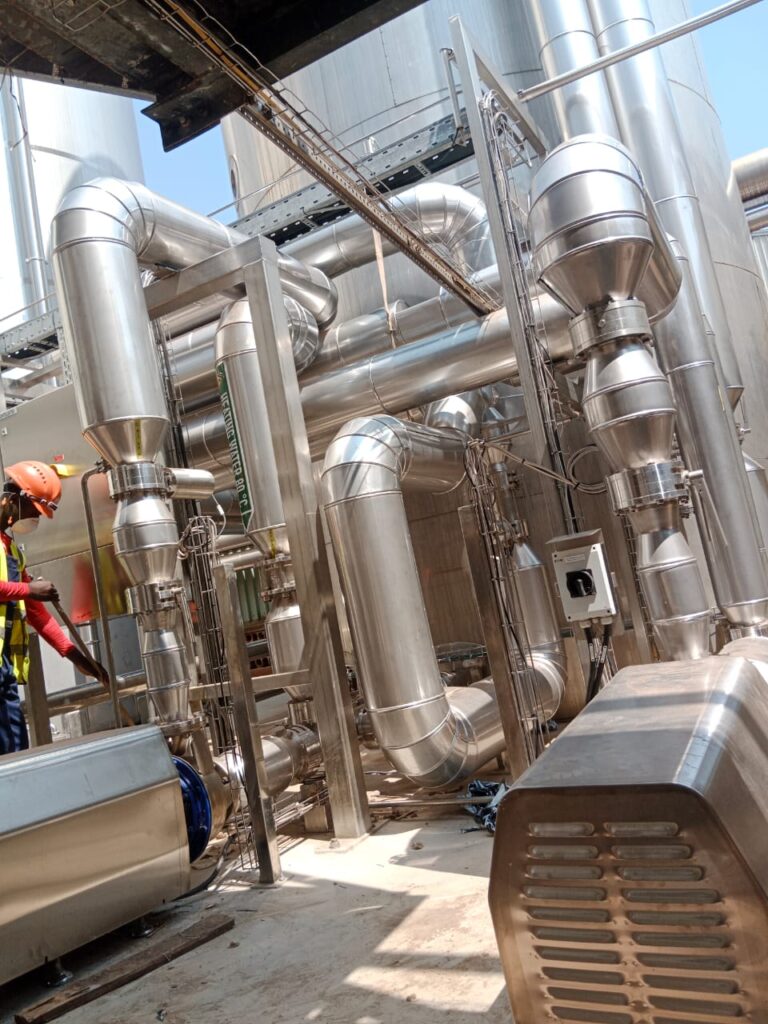
Thermal lagging minimizes heat transfer from pipes to the surrounding environment. As a result, systems retain more heat and require less energy input.
Improves System Efficiency
When heat stays within the system, equipment operates more efficiently. Therefore, factories achieve better performance with less energy.
Lowers Fuel Consumption
Because less heat escapes, boilers and heating systems consume less fuel. In turn, this reduces operational costs significantly.
Maintains Stable Temperatures
Lagging ensures consistent temperatures throughout the system. For example, steam pipes maintain pressure without excessive reheating.
Real Impact of Industrial Pipe Lagging Energy Savings in Kenya
Factories that install proper insulation often see noticeable reductions in energy costs.
For instance, industries that operate continuously benefit the most because even small heat losses accumulate over time.
To understand the basics of lagging, read:
Why Industrial Pipes Need Thermal Lagging
Choosing the Right Insulation Materials
The effectiveness of energy savings depends on the insulation material used.
Common options include:
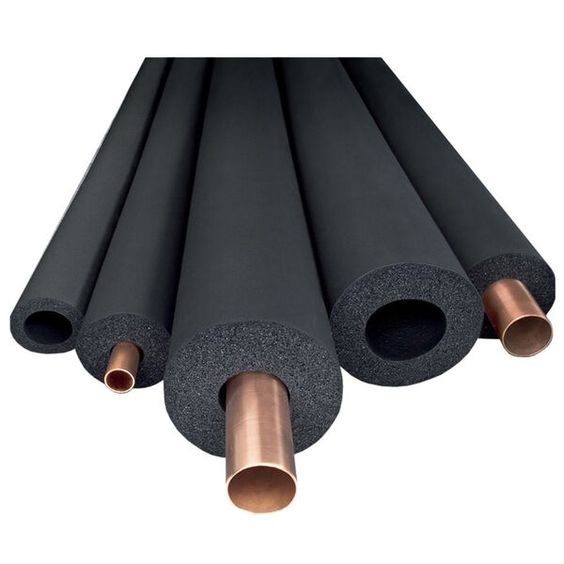
- Rockwool for high temperatures
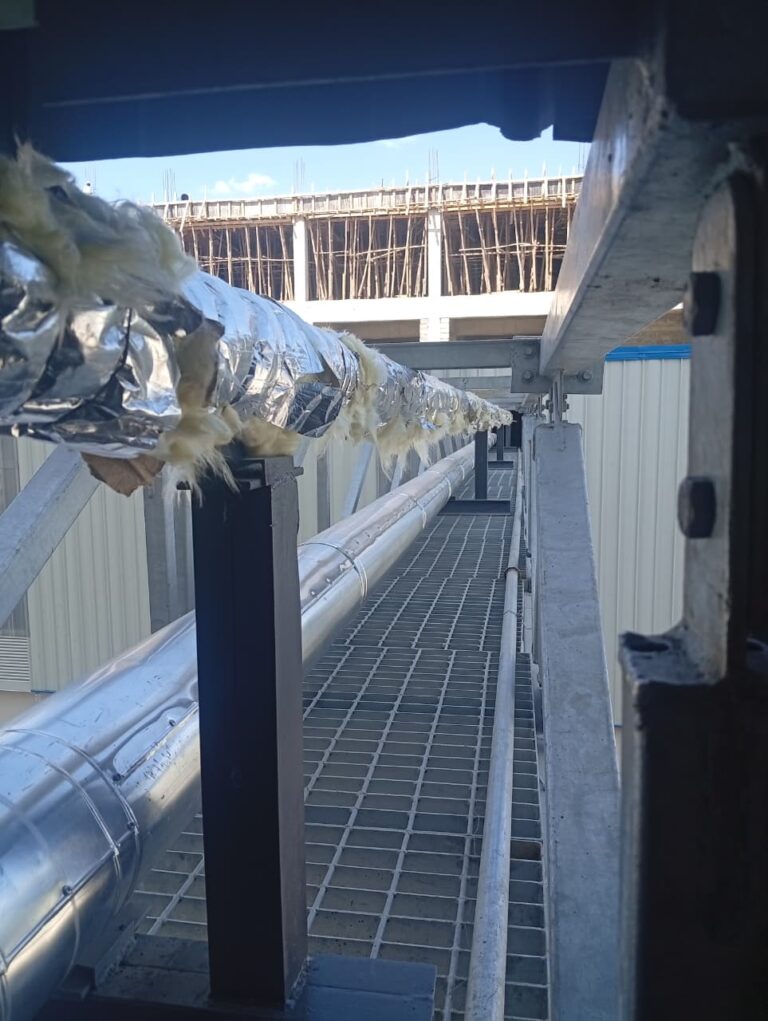
- Fiberglass for medium applications
- Ceramic fiber for extreme heat
Learn more here:
Best Insulation Materials for Industrial Pipes
Lagging and Cladding for Maximum Efficiency
For long-term performance, insulation systems should include both lagging and cladding.
While lagging reduces heat loss, cladding protects the insulation from damage and moisture.
Read more:
Lagging vs Cladding: What Is the Difference
Industry Standards and Energy Efficiency
Energy efficiency is a global priority. Organizations like the International Energy Agency emphasize reducing energy waste in industrial systems.
Similarly, ASHRAE provides standards for insulation performance and efficiency.
Conclusion
Industrial pipe lagging energy savings in Kenya provide a practical and cost-effective solution for reducing factory expenses. Therefore, investing in insulation is not just a technical decision — it is a financial strategy.
In summary, proper lagging reduces heat loss, improves efficiency, and delivers long-term cost savings.
Want to reduce your factory energy costs?
Contact Bioflex Insulation Ltd today for professional thermal lagging services across Kenya and East Africa. +254722664867
FAQs
It reduces heat loss, allowing systems to use less energy to maintain temperature.
Yes, it provides long-term savings and improves efficiency.
Yes, lagging can be installed on existing pipes and equipment.