
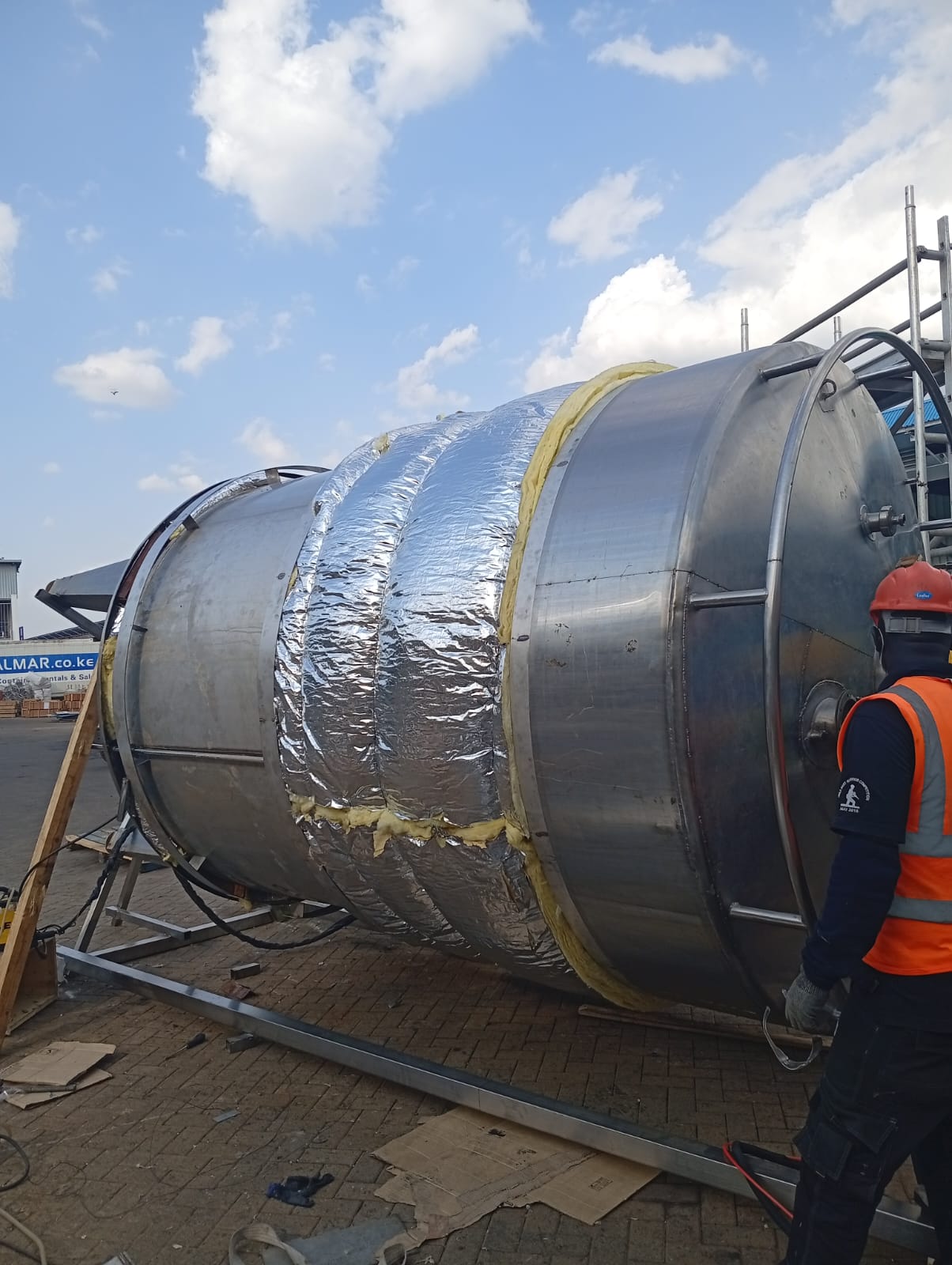
Best Industrial Pipe Lagging Materials in Kenya
Industrial pipe lagging materials in Kenya play a critical role in reducing heat loss, improving energy efficiency, and protecting equipment in industrial systems. In many industries, uninsulated pipes waste energy and increase operational costs. Therefore, choosing the right insulation material is essential for long-term performance and savings.
In addition, different industries require specific insulation materials depending on temperature, environment, and application. For this reason, understanding these materials helps you make the right decision for your project.
What Are Industrial Pipe Lagging Materials?
Industrial pipe lagging materials are insulation materials used to cover pipes, boilers, and tanks to reduce heat transfer.
They are designed to withstand different temperatures and operating conditions in industrial environments.
For a full overview of the service, visit:
Thermal Lagging Services in Kenya and East Africa
Types of Industrial Pipe Lagging Materials in Kenya
Rockwool Insulation
Rockwool is one of the most widely used industrial insulation materials. It performs exceptionally well in high-temperature environments and provides excellent thermal and fire resistance.
As a result, many industries choose rockwool for boilers and steam pipes.
Fiberglass Insulation
Fiberglass offers a lightweight and cost-effective insulation solution. It works well in medium-temperature applications and HVAC systems.
Additionally, it is easy to install and widely available in Kenya.
Ceramic Fiber Insulation
Ceramic fiber handles extremely high temperatures, making it ideal for furnaces and kilns. It resists thermal shock and maintains performance under extreme conditions.
Therefore, industries that operate at very high temperatures rely on ceramic fiber..
Armaflex Insulation
Armaflex is a flexible insulation material designed for cold systems. It prevents condensation and reduces energy loss in HVAC and refrigeration systems.
In contrast to other materials, it is best suited for low-temperature applications.
How to Choose the Right Insulation Material
Choosing the right insulation material depends on several factors. First, consider the temperature requirements of your system. Next, evaluate the environmental conditions, such as moisture and exposure.
In addition, you should consider your budget and long-term performance needs. Most importantly, selecting the wrong material can lead to inefficiency and increased maintenance costs.
- Temperature requirements
- Environmental conditions
- Budget
- Type of industrial application
Each project requires proper evaluation to ensure optimal performance.
Industrial Pipe Lagging Materials and Energy Efficiency
Using the correct insulation material significantly improves energy efficiency and reduces operational costs.
Learn more here:
How Lagging Reduces Energy Costs in Factories
Lagging and Cladding Systems
Insulation materials are often protected using aluminum cladding.
This ensures durability and protects against moisture and damage.
Read more:
Lagging vs Cladding: What Is the Difference
Industry Standards and Best Practices
Proper insulation follows global standards for safety and efficiency.
For example, organizations like ASHRAE provide guidelines on insulation performance.
You can also explore global energy efficiency insights from the International Energy Agency.
Conclusion
Choosing the right industrial pipe lagging materials in Kenya is essential for achieving energy efficiency, safety, and long-term performance.
Each material serves a specific purpose, and proper selection ensures maximum return on investment.
Need help choosing the right insulation material?
Contact Bioflex Insulation Ltd today for expert advice and professional thermal lagging services across East Africa.+254722664867
FAQs
Rockwool and ceramic fiber are ideal for high temperatures, while fiberglass and Armaflex are used for moderate and low temperatures.
It depends on temperature, environment, and application requirements.
Yes, depending on system design and performance needs.