Why Industrial Pipes Need Thermal Lagging in Kenya and East Africa
In many industries across Kenya and East Africa, heat loss from uninsulated pipes is a major challenge. Whether in factories, food processing plants, or hospitals, exposed pipes lead to energy waste, increased costs, and unsafe working conditions.
Thermal lagging provides a reliable solution by insulating pipes and maintaining temperature efficiency.
If your facility is experiencing high energy bills or heat loss, thermal lagging is not optional — it is essential.
What is Thermal Lagging?
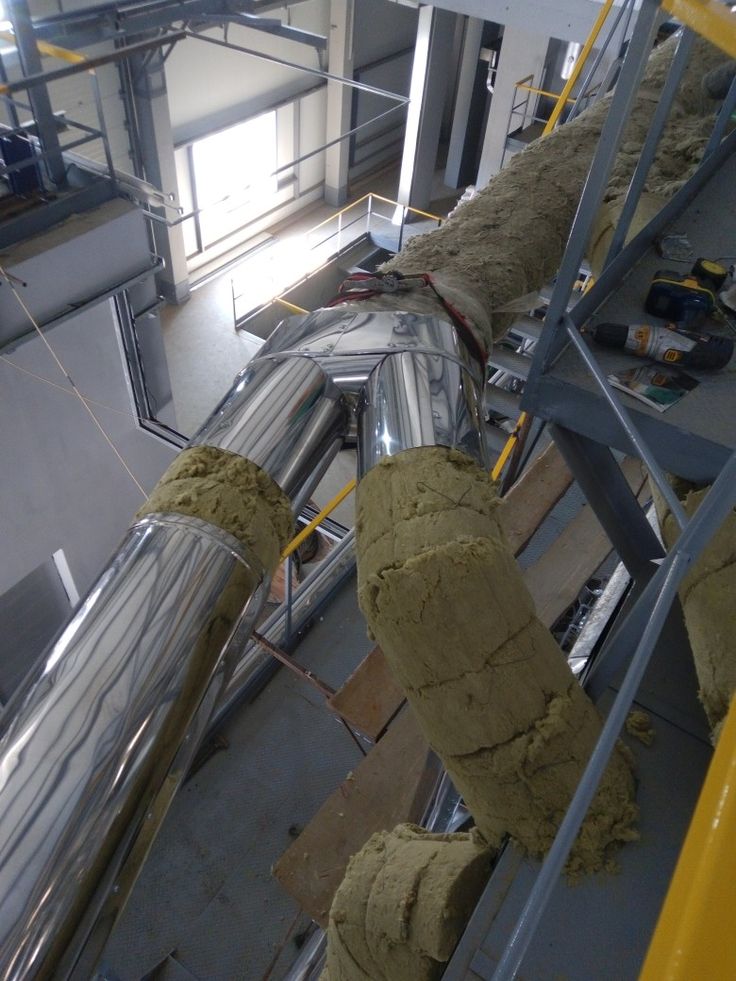
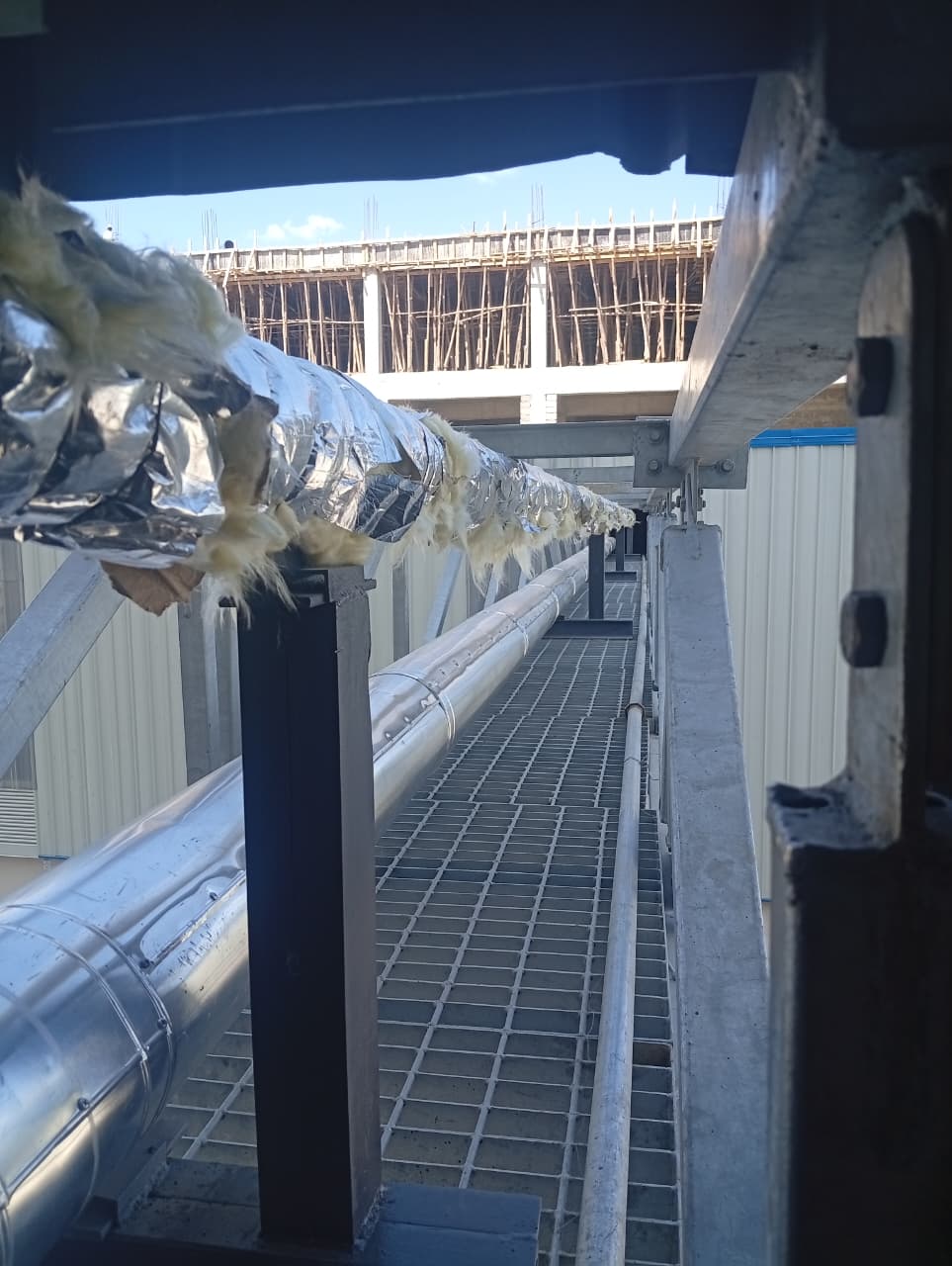
Thermal lagging is the process of insulating pipes, boilers, and tanks using materials that reduce heat transfer.
This helps maintain the required temperature within the system while minimizing energy loss.
If you want a deeper understanding of the service itself, visit:
Thermal Lagging Services in Kenya and East Africa
Problems Caused by Uninsulated Pipes
Without proper insulation, industrial systems face several issues:
- Significant heat loss
- Increased energy consumption
- Higher operational costs
- Risk of burns to workers
- Reduced system efficiency
These problems directly affect productivity and profitability.
Benefits of Thermal Lagging
Installing proper lagging provides long-term advantages:
1. Energy Efficiency
Lagging reduces heat loss, allowing systems to operate efficiently.
2. Cost Savings
Lower energy consumption leads to reduced utility bills.
3. Improved Safety
Insulated pipes reduce the risk of burns and accidents.
4. Better System Performance
Maintains stable temperatures for industrial processes.
Industries That Need Pipe Lagging
Thermal lagging is essential in:
- Manufacturing plants
- Food processing industries
- Chemical factories
- Hospitals
- Breweries
- Commercial kitchens
Best Materials for Pipe Lagging
Common materials include:
- Rockwool
- Fiberglass
- Ceramic fiber
- Armaflex
To learn more, read:
Best Insulation Materials for Industrial Pipes
Thermal Lagging and Energy Savings
Many industries in East Africa reduce energy costs significantly after installing insulation systems.
You can learn more here:
How Lagging Reduces Energy Costs in Factories
Lagging vs Cladding
Lagging is often combined with cladding to protect insulation materials.
Understand the difference here:
Lagging vs Cladding: What Is the Difference
Why Choose Professional Lagging Services
Working with experienced professionals ensures:
- Proper material selection
- Correct installation
- Long-lasting performance
- Maximum efficiency
Bioflex Insulation Ltd provides reliable solutions tailored to industrial needs.
Conclusion
Thermal lagging is a critical investment for any industrial system. It improves efficiency, reduces costs, and enhances safety.
If you are operating without insulation, you are losing energy and money every day.
Looking to improve efficiency in your facility?
Contact Bioflex Insulation Ltd today for expert thermal lagging services across Kenya and East Africa.+254 722664867
FAQs
It reduces heat loss, improves efficiency, and lowers energy costs.
Savings vary, but industries can reduce heat loss significantly.
Yes, it can be added to both new and existing systems.