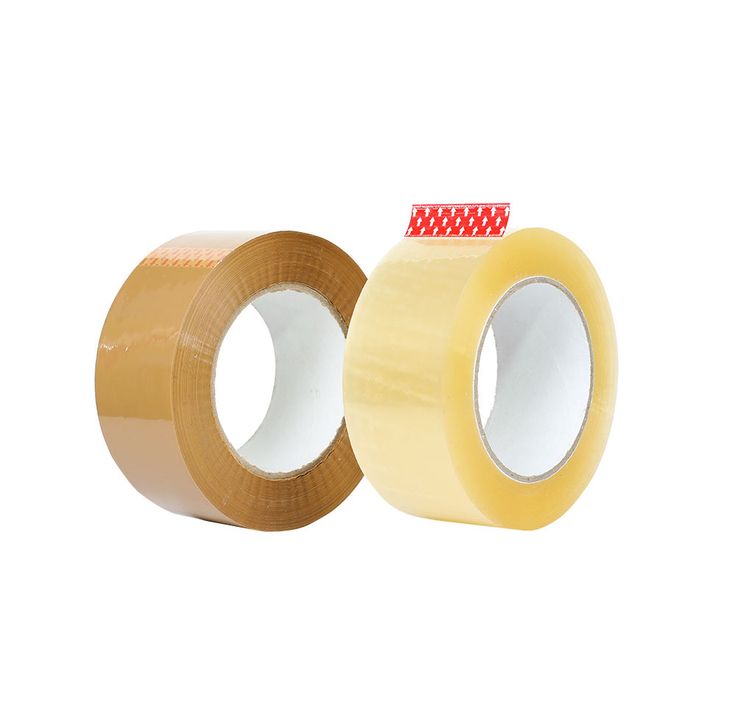
Clear vs Brown Packaging Tape: Which One Should You Use?
Choosing between clear and brown packaging tape may seem simple, but the decision affects carton security, workflow efficiency, and overall presentation. Businesses that seal cartons daily need the right tape for their specific packaging conditions. For this reason, understanding the differences between clear and brown packaging tape helps prevent common packaging problems.
This guide explains when to use clear packaging tape, when brown tape works better, and how to choose the right option for bulk carton sealing.
What Is Clear Packaging Tape Used For?
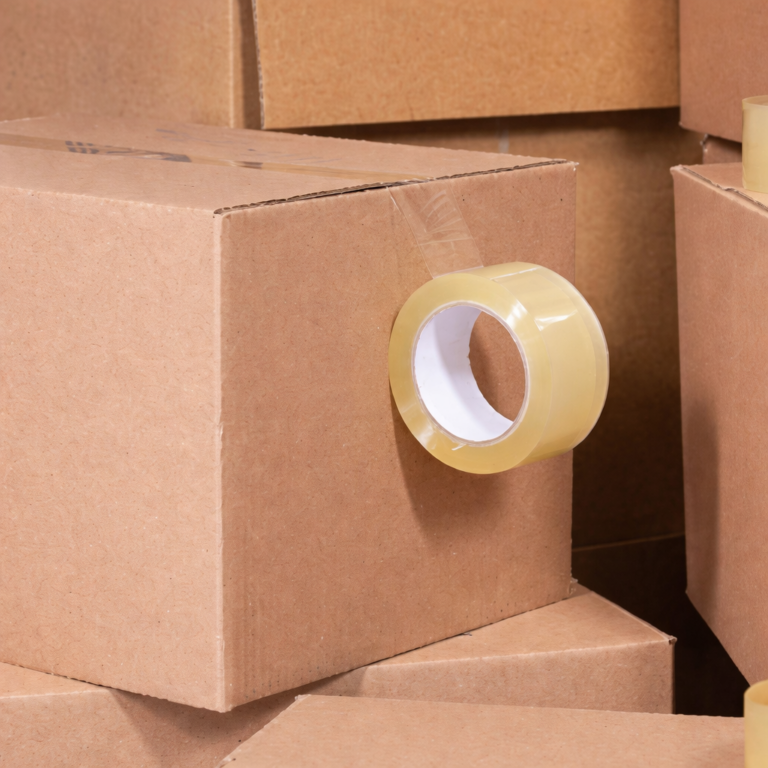
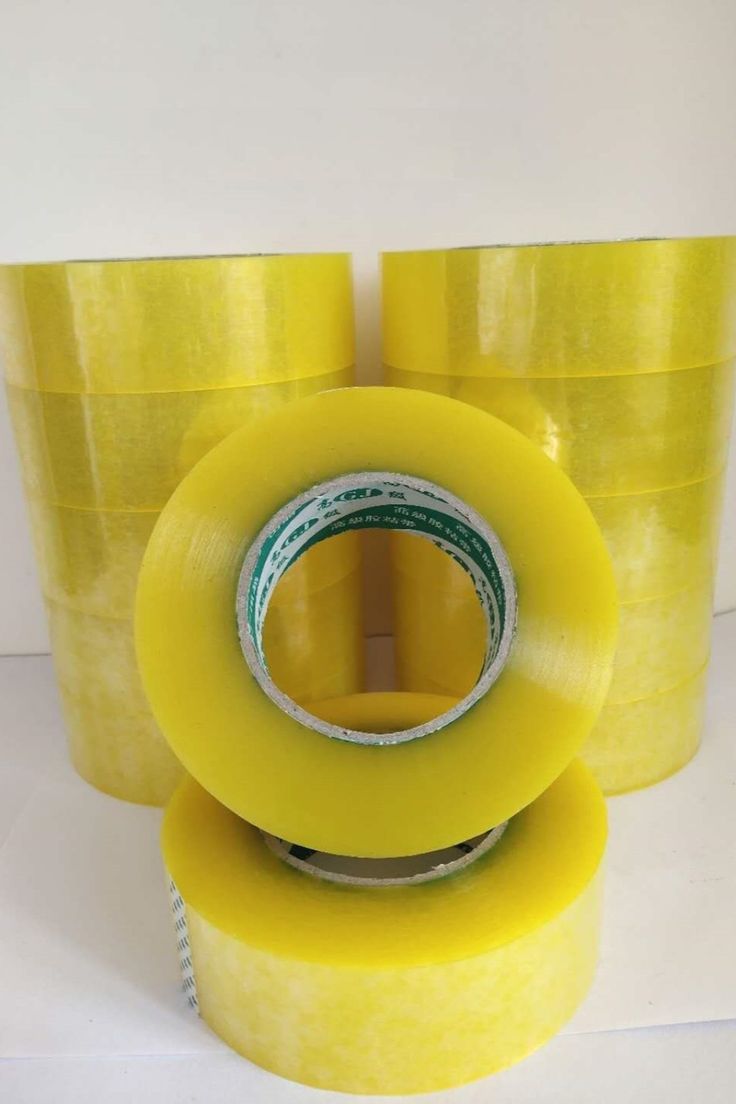
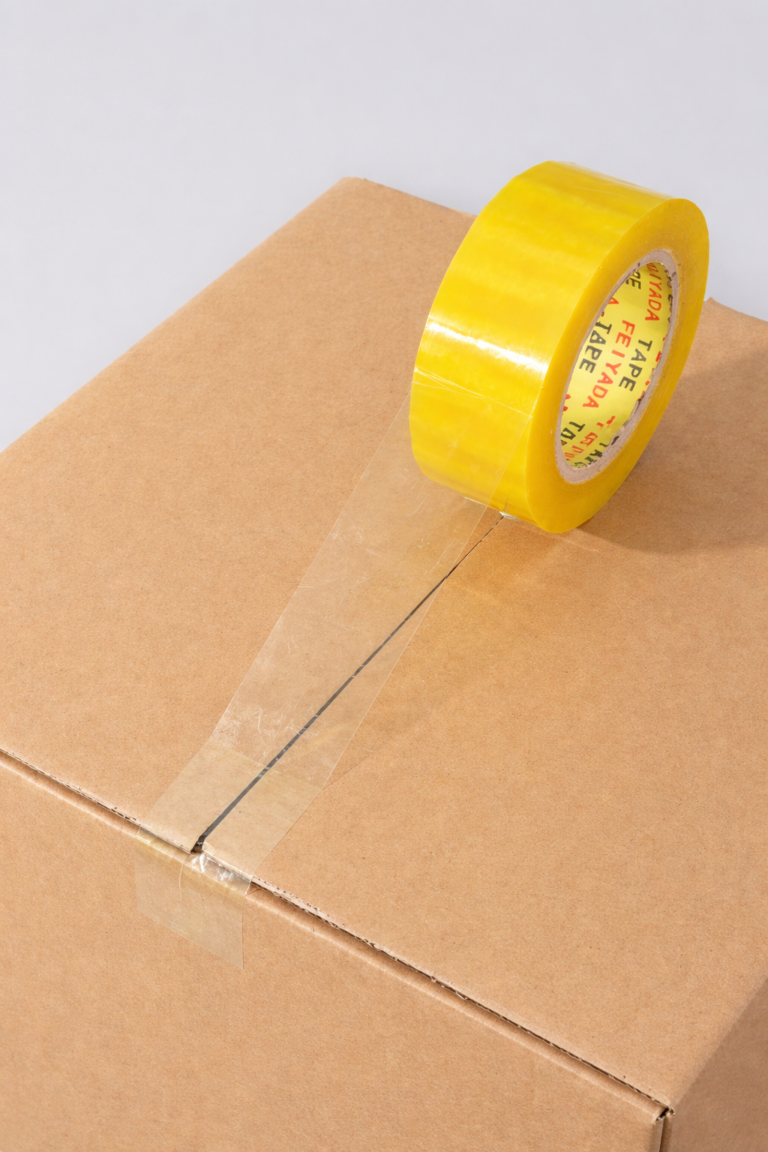
Clear packaging tape is commonly used when visibility matters. Because the tape is transparent, it allows labels, barcodes, and printed information on cartons to remain visible.
Businesses often use clear tape for:
- Retail and e-commerce packaging
- Shipments with barcodes or tracking labels
- Cartons that require a clean, professional appearance
Clear tape works especially well in environments where presentation and label scanning play an important role.
You can view our clear BOPP packaging tape wholesale product here:
https://bioflexinsulationlimited.co.ke/product/clear-bopp-packaging-tape-wholesale/
What Is Brown Packaging Tape Used For?
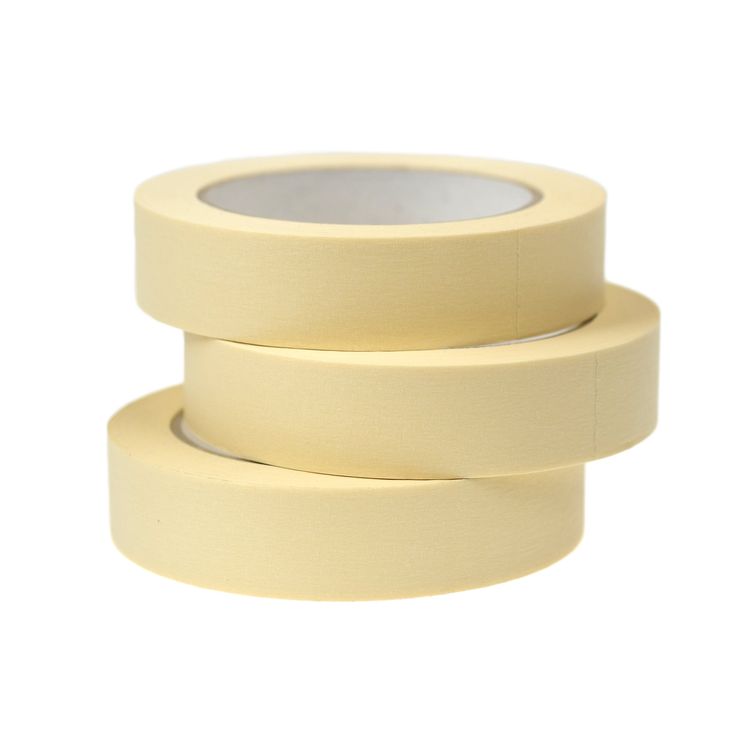
Brown packaging tape focuses more on durability and concealment. Its opaque color helps hide carton contents, old markings, or reused boxes, making it suitable for warehousing and heavy-duty logistics.
Businesses typically choose brown tape for:
- Warehouse storage and bulk handling
- Heavy or stacked cartons
- Export and long-distance transport
- Situations where appearance is less important than strength
Brown tape often gives cartons a more rugged, uniform look in industrial environments.
You can view our brown BOPP tape wholesale product here:
https://bioflexinsulationlimited.co.ke/product/brown-bopp-tape-wholesale/
Key Differences Between Clear and Brown Packaging Tape
Although both tapes serve the same basic function, they perform slightly differently depending on use.
1. Visibility
Clear tape keeps labels and carton information visible, while brown tape covers markings and reused packaging.
2. Presentation
Clear tape offers a cleaner finish, whereas brown tape provides a more industrial appearance.
3. Handling Environment
Clear tape suits retail and controlled environments. Brown tape performs better in warehouses and rough handling conditions.
4. Buyer Preference
Some businesses standardize on one tape type to maintain consistency across operations.
Which Packaging Tape Is Better for Bulk Use?
Neither clear nor brown packaging tape is universally better. The correct choice depends on how and where cartons move after sealing.
Choose clear packaging tape if:
- Labels must remain visible
- Appearance matters
- Cartons move through scanning systems
Choose brown packaging tape if:
- Cartons face heavy handling
- You reuse boxes
- Storage and durability matter more than appearance
Many high-volume operations use both types to match different packaging needs.
Why Tape Quality Matters More Than Color
Regardless of color, poor-quality tape leads to carton failure, re-sealing delays, and product damage. As a result, businesses benefit more from choosing reliable, wholesale-grade packaging tape than focusing only on appearance.
Consistent adhesion and tensile strength reduce losses and improve workflow efficiency across packaging operations.
Conclusion
Clear and brown packaging tapes both play important roles in carton sealing. By matching the tape type to the packaging environment, businesses improve efficiency, reduce damage, and maintain better control over shipments.
Choosing the right packaging tape starts with understanding how cartons move through storage and transport — and selecting quality tape designed for bulk use.