Masking Tape vs Packaging Tape: What’s the Difference?
Many businesses and contractors use different types of adhesive tape every day, yet confusion often arises between masking tape and packaging tape. Although both are adhesive tapes, they serve very different purposes. For this reason, choosing the wrong tape often leads to poor results, damaged surfaces, or failed carton sealing.
This guide explains the difference between masking tape and packaging tape and helps you decide which one suits your specific application.
What Is Masking Tape Used For?
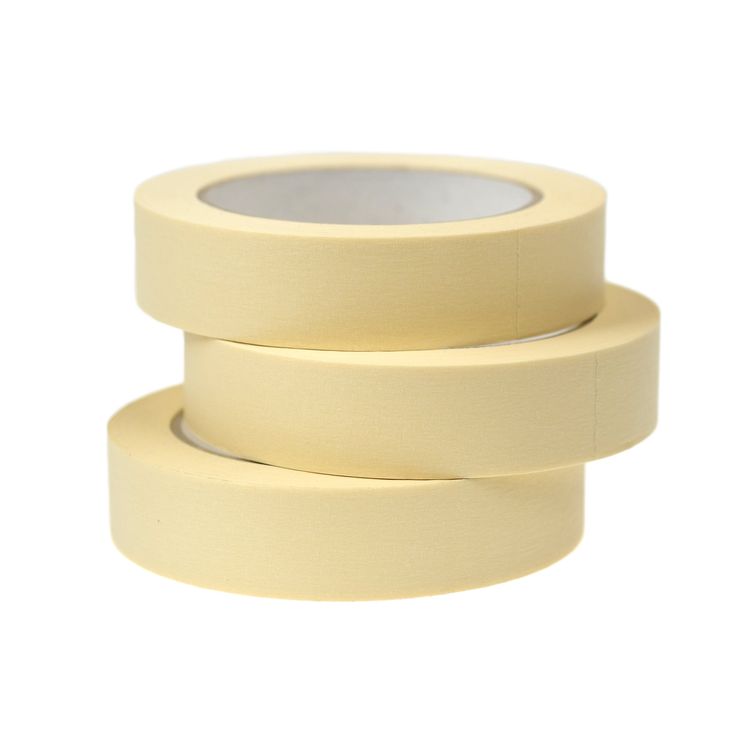
Masking tape is designed for temporary adhesion and clean removal. Manufacturers produce it with a paper backing and a lighter adhesive that allows it to stick securely while remaining easy to remove.
Businesses commonly use masking tape for:
- Painting and surface masking
- Construction and renovation work
- Automotive painting and detailing
- Temporary holding and positioning
- Labeling and marking during work
Because masking tape removes cleanly, it protects surfaces without leaving residue or damage.
You can view our masking tape wholesale product here:
https://bioflexinsulationlimited.co.ke/product/masking-tape-wholesale-supplier-in-kenya/
What Is Packaging Tape Used For?
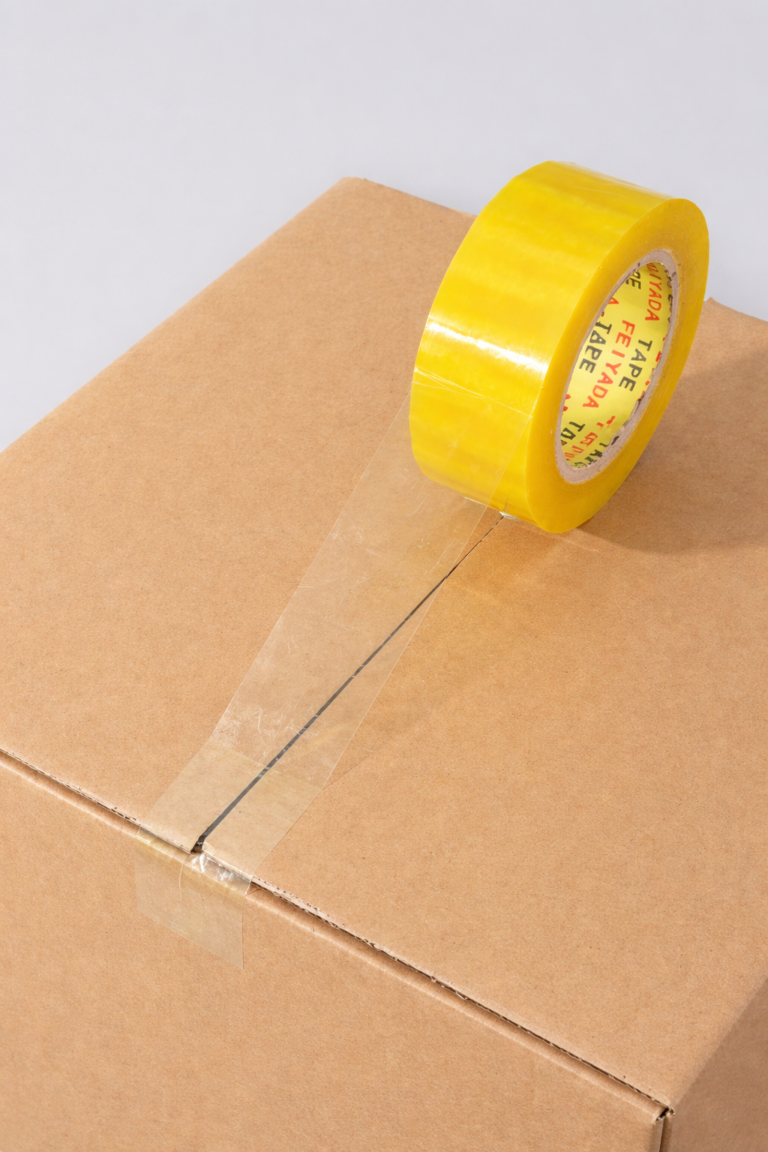
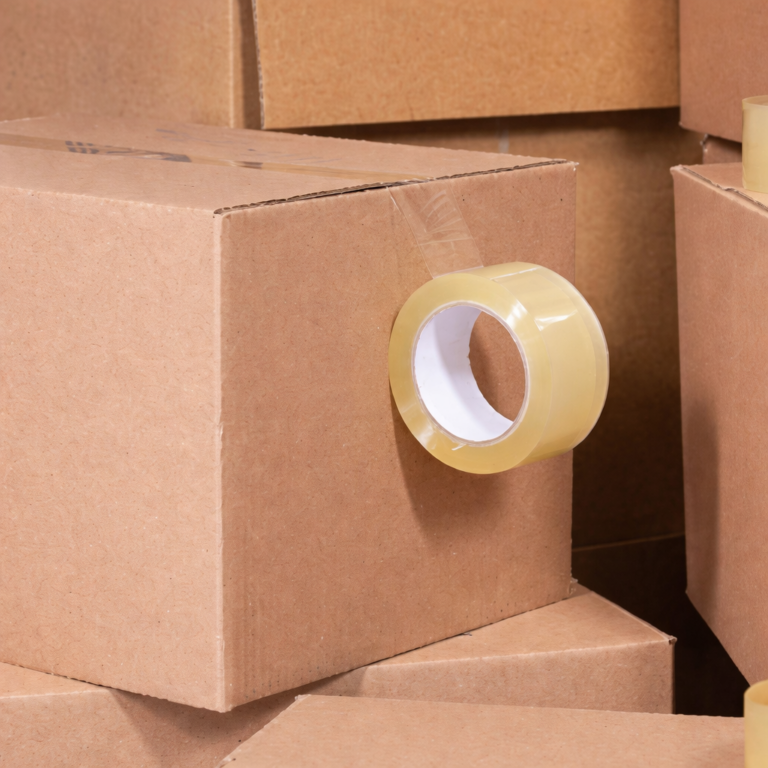
Packaging tape is designed for permanent carton sealing. It uses a stronger adhesive and a plastic film backing that provides durability and tensile strength during handling and transport.
Businesses typically use packaging tape for:
- Sealing cartons and boxes
- Warehousing and logistics operations
- Transport and distribution
- E-commerce and retail packaging
Unlike masking tape, packaging tape focuses on strength rather than clean removal.
You can explore different options in our packaging tapes category:
https://bioflexinsulationlimited.co.ke/product-category/packaging-tapes/
Key Differences Between Masking Tape and Packaging Tape
1. Adhesion Strength
Masking tape provides light to medium adhesion, while packaging tape delivers strong, long-term bonding.
2. Removal
Masking tape removes cleanly. Packaging tape is not designed for removal and may tear surfaces.
3. Application Purpose
Masking tape protects surfaces and supports temporary tasks. Packaging tape secures cartons for storage and transport.
4. Material
Masking tape uses paper backing. Packaging tape uses plastic film such as BOPP for strength.
Why Using the Wrong Tape Causes Problems
Using masking tape to seal cartons often leads to boxes opening during transport. On the other hand, using packaging tape on painted or finished surfaces may cause damage when removed.
As a result, understanding tape differences helps businesses avoid rework, material damage, and wasted time.
How to Choose the Right Tape for Your Needs
To make the right choice:
- Use masking tape for painting, surface protection, and temporary tasks
- Use packaging tape for carton sealing and transport
- Match tape strength to the job requirements
- Avoid substituting one tape type for another
Choosing the correct tape improves efficiency and overall work quality.
Conclusion
Masking tape and packaging tape serve very different functions, even though they look similar. By understanding how each tape works and where it performs best, businesses and contractors achieve better results and avoid common mistakes.
Selecting the right tape starts with knowing the job — and choosing a tape designed for that purpose.