How Many Kilograms of EPS Beads Are Needed for a Bean Bag?
One of the most common mistakes when buying or refilling a bean bag is guessing the quantity of filling required. Using too few EPS beads causes the bean bag to flatten quickly, while too many beads make it uncomfortable and difficult to close.
This guide explains exactly how many kilograms of EPS beads are needed for different bean bag sizes, helping you buy the right amount the first time.
What are EPS beads, and why are they used in bean bags?
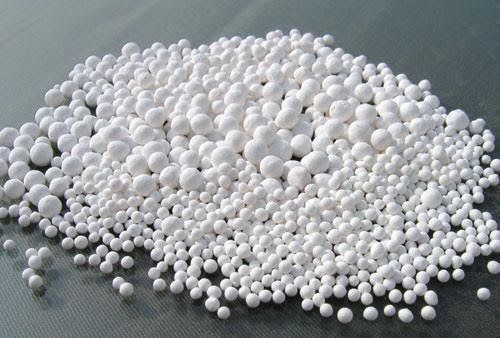
EPS (Expanded Polystyrene) beads are lightweight, spherical insulation granules commonly used as filling material for bean bags, cushions, poufs, and loungers.
They are preferred because they:
- Conform to body shape
- Recover after compression
- Provide good airflow
- Are lightweight and hygienic
- Are easy to refill or replace
How many kilograms of EPS beads are needed per bean bag?
1. Small bean bag (children or compact seating)
- Required quantity: 2–3 kg
- Suitable for children, bedrooms, and study spaces
2. Medium bean bag (single adult use)
- Required quantity: 3–4 kg
- Suitable for living rooms, TV areas, and personal lounges
3. Large bean bag (extra comfort)
- Required quantity: 4–5 kg
- Suitable for adults, long seating hours, and commercial spaces
4. Extra-large bean bag or lounger
- Required quantity: 5–7 kg
- Suitable for hotels, Airbnb units, and reading lounges
For firmer seating, use the higher end of each range. For softer seating, use the lower end.
Why are EPS beads measured in kilograms?
EPS beads are extremely lightweight. Measuring by volume alone can lead to inconsistencies due to compression during packing and transport.
Using kilograms:
- Ensures consistency
- Simplifies pricing
- Allows accurate refilling
- Prevents under- or over-filling
This is the standard method used by furniture manufacturers and professional upholsterers.
How often should a bean bag be refilled?
Bean bags naturally lose firmness over time due to bead compression.
Typical refill frequency:
- Home use: every 6–12 months
- Commercial or heavy use: every 3–6 months
Most refills require only 1–2 kg of EPS beads, depending on usage and original fill level.
EPS beads vs foam filling for bean bags
EPS beads:
- Lightweight
- Shape-adaptive
- Easy to refill
- Longer lifespan
Foam filling:
- Compresses permanently
- Traps heat
- Loses shape faster
- Difficult to refill evenly
For durability and comfort, EPS beads are the recommended option.
Buying EPS beads for bean bags in Kenya
When purchasing EPS beads, ensure:
- Beads are clean and dust-free
- Bead size is uniform
- Packaging prevents crushing
For pricing, bulk supply, and delivery, refer to:
Frequently Asked Questions
Most bean bag refills require 1–2 kg of EPS beads, depending on how flat the bag has become.
Yes. Mixing new beads with existing ones improves firmness while reducing cost.
Medium-sized EPS beads are ideal, as they balance comfort, airflow, and durability.
Yes. Compression is normal, which is why periodic refilling is recommended.
Yes. Clean, virgin EPS beads are non-toxic and safe for indoor furniture applications.
Key takeaway
Choosing the correct quantity of EPS beads ensures comfort, durability, and value.
- Small bean bag: 2–3 kg
- Medium bean bag: 3–4 kg
- Large bean bag: 4–5 kg
- Lounger: 5–7 kg
For accurate pricing and supply, always confirm quantity and intended use.
Call us Today: +254722664867
If you need clean, quality EPS beads for bean bags, cushions, or furniture filling, contact Bioflex Insulation Limited for sizes, pricing, and delivery across Kenya.