
Polyol vs Isocyanate: What’s the Difference and Why It Matters
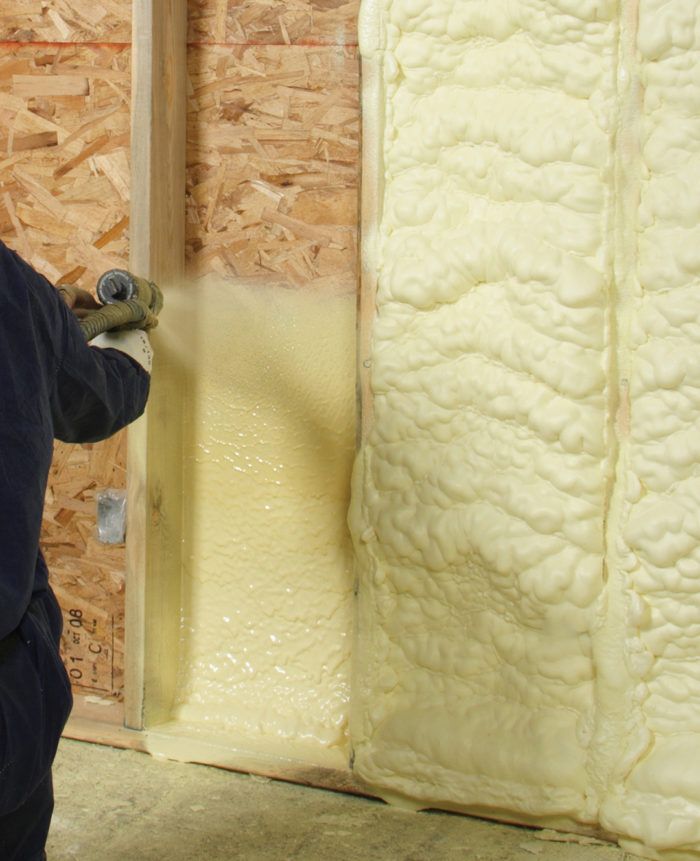
Polyurethane (PU) foam insulation is one of the most effective ways to control temperature and save energy in both homes and industries. The secret lies in its two main ingredients — Polyol vs Isocyanate. Together, they create durable, high-performance insulation used widely across Kenya and East Africa.
At Bioflex Insulation Ltd, we supply high-quality Polyol and Isocyanate products that form the base of strong, efficient PU foam insulation. These products are ideal for cold rooms, tanks, and roofing systems across the region.
What is Polyol in PU Foam?
Polyol is the base component, often called the “resin.” It provides structure, adhesion, and flexibility to the finished foam. When it reacts with Isocyanate, Polyol creates a closed-cell structure that traps air and reduces heat transfer.
In Kenya and East Africa’s humid climate, Polyol ensures the foam stays stable and energy-efficient. It influences foam density and durability, making it an essential part of PU foam production.
What is Isocyanate in PU Foam?
Isocyanate is the reactive component, also known as the “hardener.” It starts the chemical reaction that turns liquid Polyol into solid polyurethane foam. As a result, the foam expands and hardens, forming a continuous insulation layer.
Isocyanate also helps the foam bond tightly to surfaces such as metal, concrete, and wood. This strong adhesion eliminates air gaps and prevents moisture penetration, improving insulation quality and strength.
Why Polyol vs Isocyanate Balance Matters
Polyol and Isocyanate must be mixed in the right ratio — usually 1:1 by volume. This balance ensures a consistent reaction, proper foam density, and long-lasting results.
Incorrect ratios can lead to soft, brittle, or uneven foam. Therefore, professional mixing equipment and trained installers are essential. When mixed correctly, Polyol vs Isocyanate produces foam that resists moisture, saves energy, and maintains structure for decades.
For more details on polyurethane standards, visit the International Association of Polyurethane Manufacturers.
Choosing the Right Products in Kenya and East Africa
For industrial and commercial projects, two-component PU foam systems — made from Polyol and Isocyanate — offer superior performance. They are ideal for cold rooms, industrial tanks, and large roofing projects.
At Bioflex Insulation Ltd, we supply genuine Polyol and Isocyanate products designed for Kenya and East Africa’s conditions. Our team offers technical support, ensuring correct mixing, application, and installation every time.
Learn more in our detailed post: Polyol and Isocyanate PU Foam in Kenya & East Africa – Complete Guide.
Conclusion
Polyol and Isocyanate are both vital for creating high-performance PU foam insulation. When properly balanced, they produce a seamless, durable, and energy-saving barrier.
For supply, technical guidance, or installation support, contact Bioflex Insulation Ltd—+254722664867 your trusted insulation partner in Kenya and East Africa.