How to Use Refractory Cement
When working with high-temperature systems such as boilers, kilns, and ovens, proper installation of refractory cement in Kenya is the key to long-term durability and heat efficiency.
Knowing how to use refractory cement correctly ensures that your furnace lining or firebrick joint can withstand extreme temperatures without cracking or losing strength.
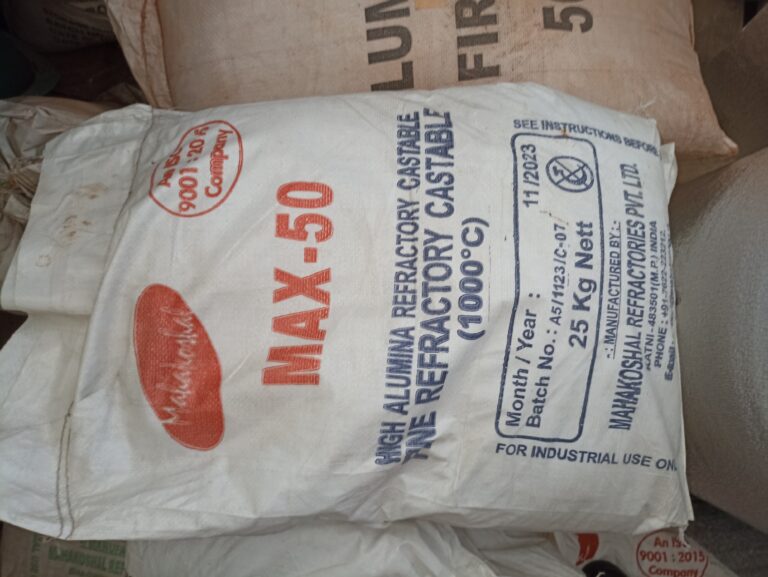
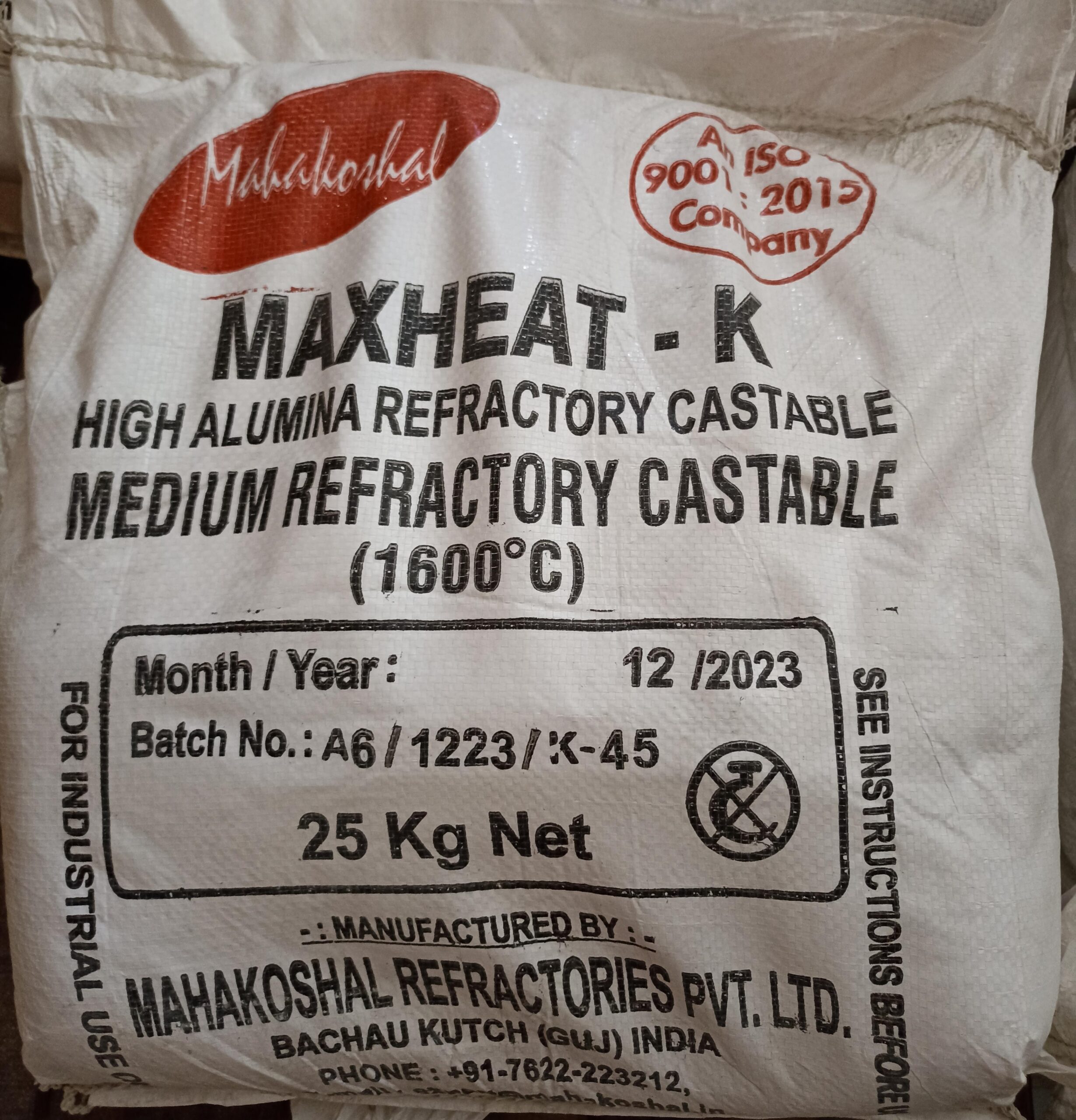
In this guide, Bioflex Insulation Ltd explains step-by-step how to mix, apply, and cure refractory cement in Kenya using products such as Maxheat K, Maxheat A, Fondu (MAX 50), and Refractory Mortar Cement.
1. Preparation: Choosing the Right Refractory Cement
Before you begin, select the correct grade based on temperature and use case:
| Type | Temperature Range | Ideal For |
|---|---|---|
| Maxheat K | Up to 1600°C | Fast repairs in boilers and ovens |
| Fondu (MAX 50) | Up to 1000°C | Fast repairs in boilers and ovens |
| Maxheat A | Up to 1750°C | Industrial furnaces, kilns, and foundries |
| Mortar Cement | Up to 1500°C | Bonding firebricks and joints |
Each of these types of refractory cement in Kenya is available from Bioflex Insulation Ltd and tailored for different operating conditions.
2. Tools and Materials Needed
You’ll need:
- Refractory cement (Maxheat K, A, Fondu, or Mortar)
- Mixing bucket or pan
- Clean water
- Trowel or spatula
- Steel or wooden mixing rod
- Brush for cleaning surfaces
- Protective gloves and a mask
Make sure all tools are clean to prevent contamination during mixing.
3. Mixing Refractory Cement
The secret to strong, durable results lies in proper mixing.
- Pour the dry refractory cement into a clean bucket.
- Gradually add clean water — about 8–10% of cement weight (depending on type).
- Stir thoroughly until you achieve a smooth, lump-free paste.
- Avoid over-mixing or adding too much water — this weakens the cement structure.
- Let the mixture rest for 2–3 minutes before application.
💡 Pro Tip:
For large jobs, use a mechanical mixer for consistency.
4. Applying Refractory Cement
How you apply the cement depends on your use:
(a) Lining Furnaces and Boilers
- Clean and dry the surface thoroughly.
- Apply Maxheat K or Maxheat A evenly using a trowel.
- Press firmly to eliminate air pockets.
- For thick layers, apply in 2–3 coats to reduce cracking.
(b) Repairing Ovens or Incinerators
- Use Fondu Cement (MAX 50) for quick repairs.
- Apply a thin coat and allow partial setting before firing.
(c) Bonding Firebricks
- Use Refractory Mortar Cement to join bricks.
- Keep joints thin (3–5 mm) for better bonding and thermal expansion control.
- Clean off any excess before it sets.
5. Curing and Drying Process
Proper curing ensures maximum strength and heat resistance:
- Let the applied cement air-dry for 24 hours.
- For industrial installations, extend drying to 48 hours.
- Heat the system gradually to 100°C for the first 2 hours.
- Increase temperature slowly in stages to full operational heat.
Avoid exposing freshly applied cement to rain or direct water during curing — moisture affects bonding and density.
6. Common Mistakes to Avoid
Even experienced installers sometimes make small errors that reduce performance:
- Adding too much water during mixing
- Applying thick single layers instead of thin coats
- Skipping the drying process before firing
- Using ordinary cement instead of refractory-grade products
- Buying cheap or counterfeit materials
To avoid these problems, always use certified products from Bioflex Insulation Ltd and follow manufacturer guidelines.
7. Safety Tips
- Wear gloves and a mask during mixing and application.
- Avoid contact with skin or eyes.
- Store leftover cement in a dry, airtight container.
- Dispose of waste cement responsibly.
8. Related Products and Solutions
- Refractory Cement in Kenya – Product Page
- Understanding Refractory Cement and Its Uses in Kenya – Blog 1
- Common Refractory Cement Problems in Kenya – Blog 3
- Best Refractory Cement in Kenya – Blog 4
For expert assistance, contact Bioflex Insulation Ltd — Kenya’s trusted partner for heat-resistant materials and industrial insulation solutions.
FAQs
Q1: How much water should I use when mixing refractory cement?
Q2: Can I use refractory cement on a metal surface?
Q3: How long should refractory cement dry before firing?
Q4: Can I reuse leftover refractory cement?
Conclusion
Knowing how to use refractory cement in Kenya the right way prevents cracks, energy loss, and premature failure in heat systems.
By choosing the correct product and following proper mixing and curing methods, you ensure your furnace, oven, or boiler lasts for years.
For high-quality refractory cements such as Maxheat K, Maxheat A, Fondu (MAX 50), and Refractory Mortar, rely on Bioflex Insulation Ltd — the trusted supplier of heat-resistant materials in Kenya and East Africa.