Common Refractory Cement Problems and How to Fix Them
Refractory cement is the backbone of every high-temperature system — from industrial furnaces and boilers to pizza ovens and incinerators.
But many users in Kenya face cracking, poor bonding, or premature wear because of improper mixing, low-quality materials, or wrong curing techniques.
This article from Bioflex Insulation Ltd explores the most common refractory cement problems in Kenya, their causes, and how you can fix or prevent them using certified heat-resistant products like Maxheat K, Maxheat A, Fondu (MAX 50), and Refractory Mortar Cement.
1. Cracking After Drying or Heating
Problem:
One of the most frequent refractory cement problems in Kenya is cracking soon after drying or first use.
Causes:
- Adding too much water during mixing
- Applying thick layers instead of several thin coats
- Heating the cement too quickly before full cure
- Using non-refractory cement for high-heat equipment
Solution:
- Mix only the recommended amount of water (8–10%)
- Apply in layers of 10–15 mm maximum thickness
- Allow 24–48 hours of air-drying before firing
- Gradually increase the heat in stages
- Always use genuine Bioflex refractory cement for consistent results
2. Weak Bonding Between Firebricks
Problem:
Refractory joints crumble or separate after a few heating cycles.
Causes:
- Using ordinary cement or weak mortar for bonding
- Inadequate surface preparation
- Uneven application or too much water
Solution:
Use Refractory Mortar Cement from Bioflex, designed specifically for high-temperature joints.
Ensure surfaces are clean and slightly damp before application to improve adhesion.
3. Spalling or Flaking Under Heat
Problem:
The lining or surface starts flaking or peeling off under high heat.
Causes:
- Entrapped air pockets during application
- Poor mixing consistency
- Rapid temperature change (thermal shock)
Solution:
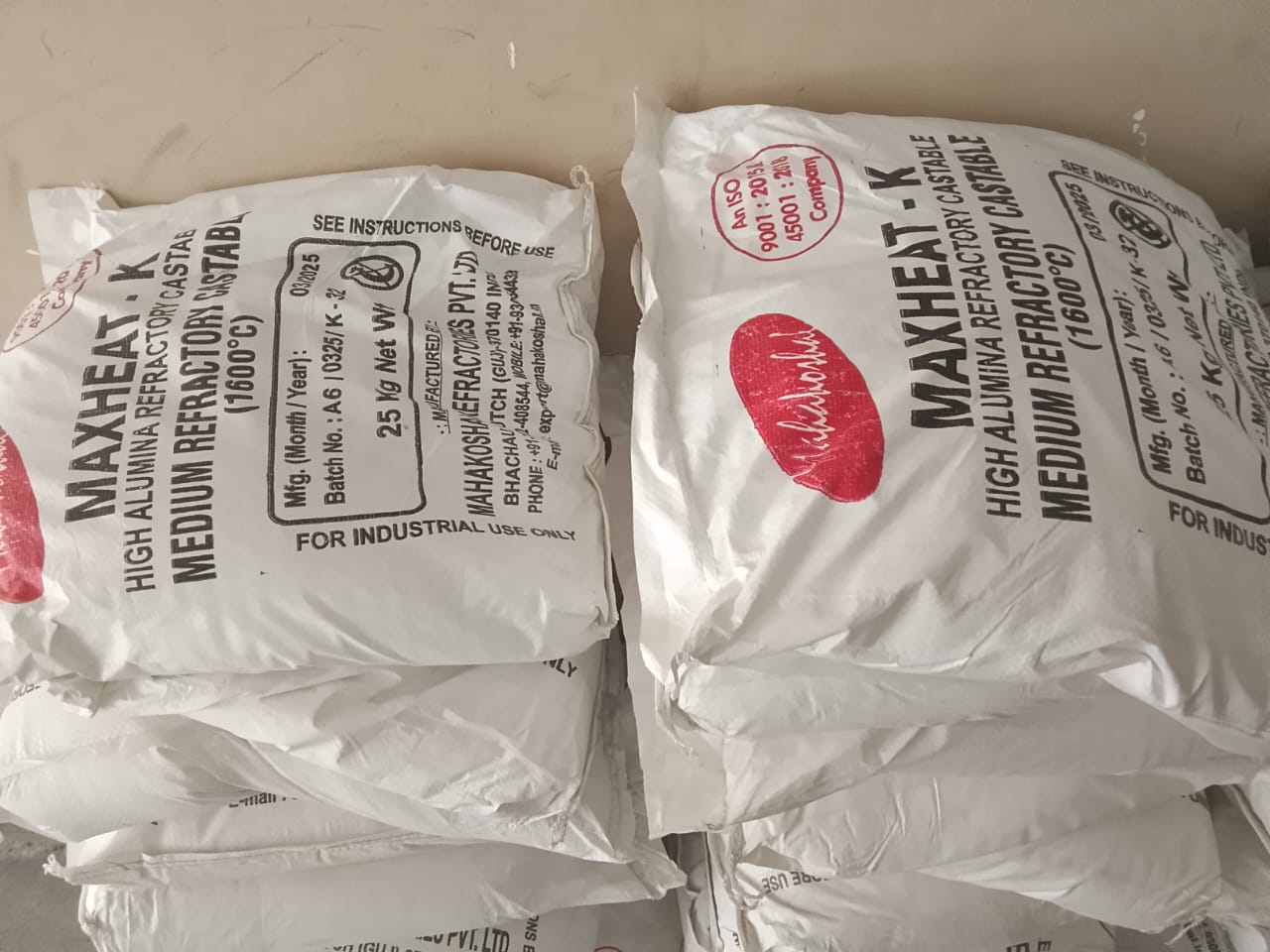
Use Maxheat K or Maxheat A, which provide excellent thermal shock resistance.
Apply in uniform layers, compact well to remove air, and heat the equipment slowly for the first few hours.
4. Uneven Drying and Surface Powdering
Problem:
After curing, the surface remains soft or powdery instead of hard and smooth.
Causes:
- Overwatering the mix
- Inadequate drying time
- Contamination (oil, dust, or old cement)
Solution:
Always mix in small batches using clean tools and water.
Dry for at least 24 hours before firing.
Avoid applying over old or cracked refractory layers — always remove damaged material first.
5. Corrosion and Chemical Erosion
Problem:
In chemical or waste incineration plants, the lining wears out faster than expected.
Causes:
- Exposure to corrosive gases or acids
- Using cement with low chemical resistance
Solution:
Select Fondu Cement (MAX 50) for its high chemical resistance and quick-setting properties.
It performs well in industrial boilers and waste-treatment equipment.
6. Poor Performance from Counterfeit or Cheap Cement
Problem:
Low-cost, non-certified cement often fails after a few heating cycles — leading to structural failure or costly downtime.
Solution:
Always buy refractory cement in Kenya from verified suppliers like Bioflex Insulation Ltd.
All our products are KEBS-compliant, ensuring safety, durability, and performance.
7. Maintenance Tips to Prevent Future Problems
To extend the life of your refractory system:
- Inspect equipment regularly for cracks or gaps.
- Reseal small cracks immediately with Refractory Mortar Cement.
- Avoid sudden temperature changes during heating or cooling.
- Store unused cement in a dry, moisture-free area.
- Use trained professionals for large-scale applications.
8. When to Replace Refractory Cement
If your lining shows continuous cracking, deep flaking, or visible metal corrosion, it’s time to replace it.
Use Maxheat K for high-temperature applications and Fondu Cement (MAX 50) for fast repairs.
Proper replacement ensures efficiency and safety during operation.
9. Why Choose Bioflex Insulation Ltd
- Supplier of high-quality refractory cement in Kenya
- Available in four types: Maxheat K, Maxheat A, Fondu (MAX 50), and Mortar Cement
- Technical advice and mixing guidance provided
- Trusted by contractors, factories, and engineers across East Africa
Learn more in our next post:
➡️ Best Refractory Cement in Kenya: How to Choose Between Maxheat K, A, Fondu (MAX 50), and Mortar Cement
FAQs
Q1: Why does my refractory cement crack during curing?
Q2: Can cracks be repaired without replacing the whole lining?
Q3: How do I prevent future problems?
Conclusion
Most refractory cement problems in Kenya stem from poor-quality materials or incorrect installation techniques.
By choosing KEBS-certified refractory cements from Bioflex Insulation Ltd and following expert application methods, you can eliminate cracking, flaking, and corrosion for good.
Whether for a furnace, kiln, or pizza oven, our Maxheat K, Maxheat A, Fondu (MAX 50), and Refractory Mortar Cement are proven to perform under pressure.