Common Causes of Furnace Cracks
Furnace cracks are one of the most frustrating and costly problems for industries across Kenya. Whether you run an incinerator, kiln, or boiler, a cracked furnace lining leads to heat loss, unsafe working conditions, and unexpected downtime.
The root cause is often simple — using ordinary clay bricks or poor-quality refractory materials.
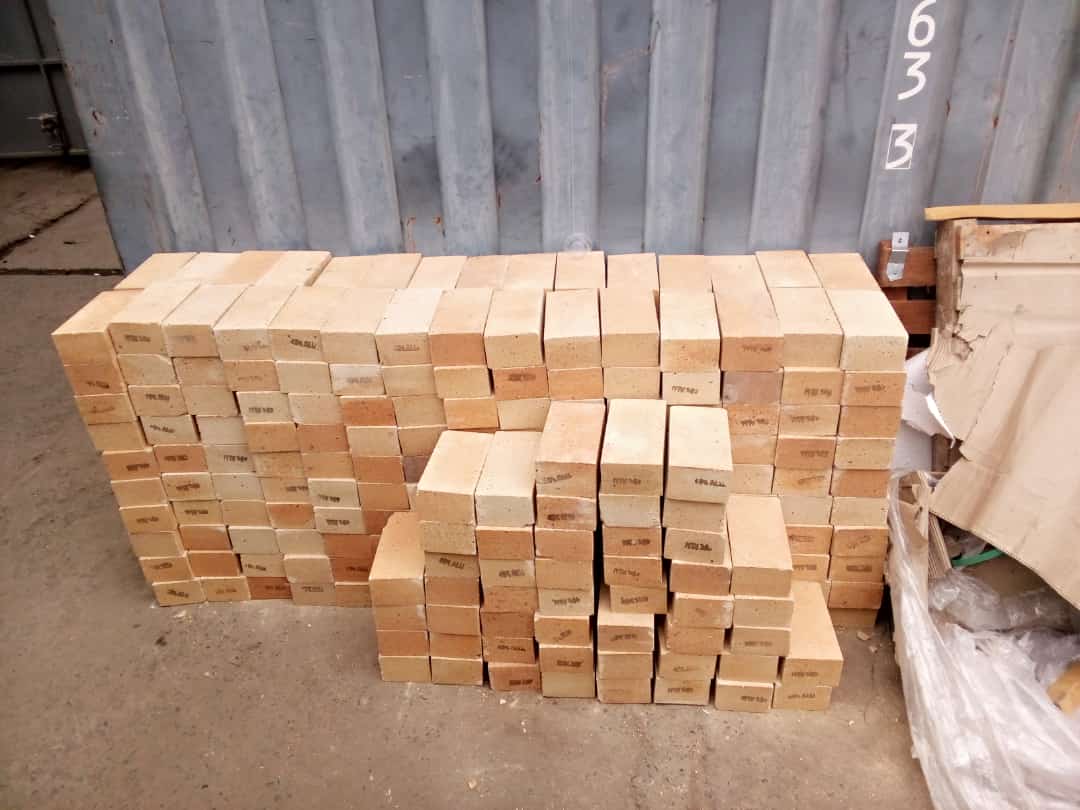
The solution? Investing in high-quality firebricks in Kenya from Bioflex Insulation Ltd, engineered to withstand up to 1400°C and prevent heat-related damage.
This article explores why furnaces crack and how proper firebricks, refractory cement, and ceramic rope protect your system for the long term.
1. Understanding Furnace Cracks
Furnaces and incinerators operate in extreme thermal environments. Every heating and cooling cycle causes materials to expand and contract, which puts immense stress on the lining.
If the lining materials can’t handle this movement, cracks form, leading to leaks, uneven heating, and even structural failure.
Cracks might start small — visible as hairlines — but if ignored, they quickly spread and cause expensive damage.
2. Main Causes of Furnace Cracks
(a) Using Ordinary Bricks Instead of Firebricks
Ordinary bricks are made for construction walls, not furnaces. When heated above 800°C, they crumble and expand unevenly, causing structural gaps.
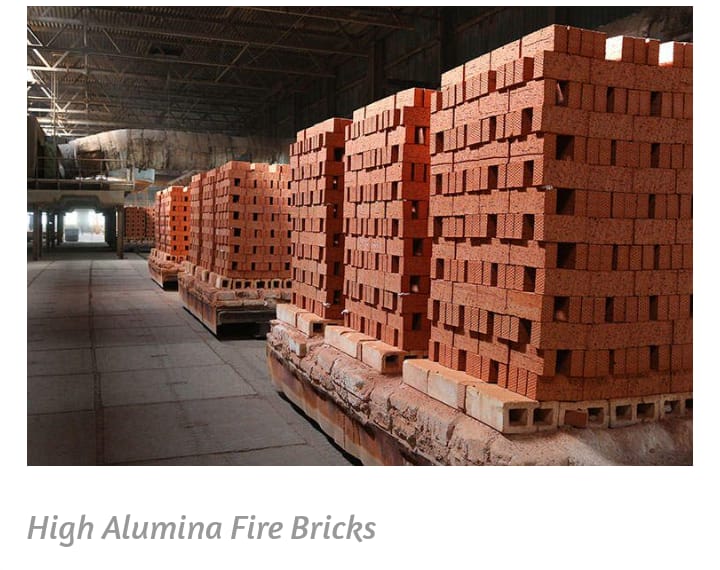
Bioflex Firebricks in Kenya are made from high-alumina refractory material that resists these temperature changes and prevents cracking.
(b) Poor Quality or Incorrect Cement
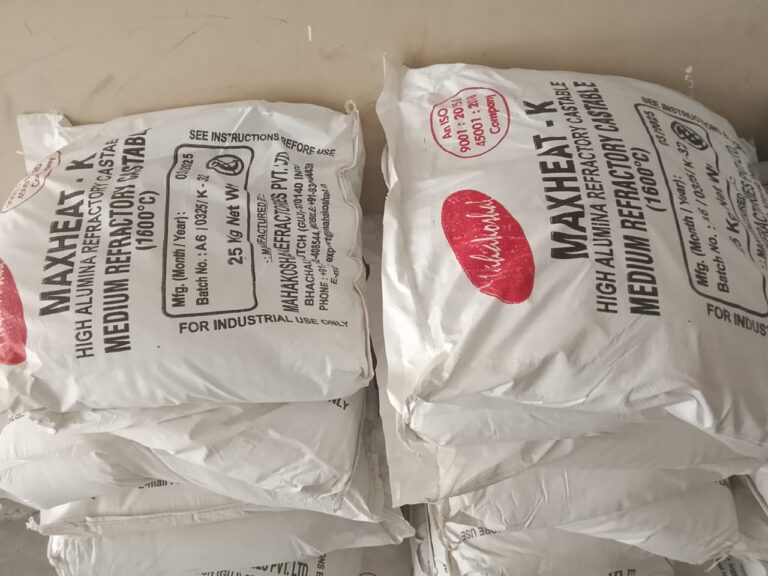
Many furnaces fail because ordinary cement is used during installation. Regular cement becomes brittle and flakes under high heat.
Using Bioflex Refractory Cement ensures strong bonding that remains stable even under 1,600°C.
(c) Lack of Expansion Joints
Furnaces need space to expand safely. If joints are tightly sealed with rigid material, thermal expansion creates pressure that cracks the lining.
Installing Bioflex Ceramic Rope provides flexible sealing that allows controlled movement without damage.
(d) Rapid Temperature Changes
Heating or cooling the furnace too quickly puts stress on refractory bricks. Always increase and reduce temperature gradually to protect the lining.
(e) Moisture and Poor Insulation Protection
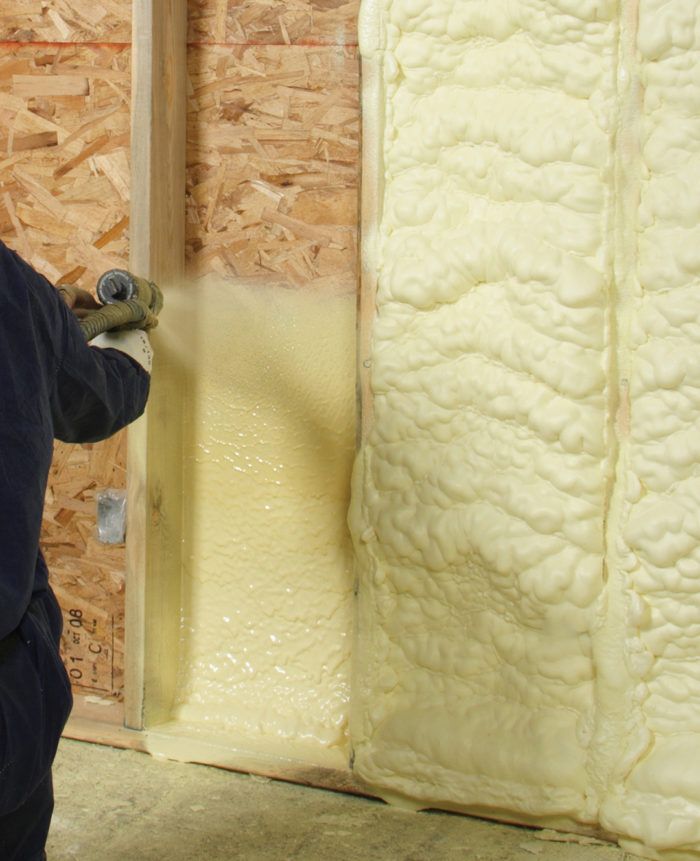
Unprotected outer insulation can absorb moisture, which expands into steam when heated — leading to cracks.
Protect your outer surface using Aluminium Cladding Sheets to keep your insulation dry and durable.
3. How Firebricks in Kenya Solve These Problems
High-grade firebricks in Kenya from Bioflex Insulation Ltd are specially designed to endure extreme heat and thermal cycling.
They offer:
- Low thermal expansion: Reduces stress and prevents cracking
- High mechanical strength: Maintains structure under pressure
- Excellent insulation: Prevents heat loss and improves efficiency
- Long life span: Withstands repeated heating and cooling cycles
When installed with refractory cement and sealed using ceramic rope, they create a complete, crack-resistant system.
4. The Cost of Ignoring Furnace Cracks
A small crack may not seem serious at first, but it quickly becomes a major expense.
Cracked linings cause:
- Energy loss: Escaping heat reduces performance and increases fuel use
- Production downtime: Repairs mean costly interruptions
- Safety risks: Exposure to hot gases and flames can endanger workers
- Equipment damage: Metal casing and components degrade faster
Preventing these problems starts with using certified firebricks in Kenya from Bioflex — not fixing cracks later.
5. How to Prevent Furnace Cracks — Best Practices
- Use refractory-grade firebricks and cement for all lining work
- Seal joints with ceramic rope instead of rigid mortar
- Allow proper drying (48 hours) before firing
- Heat gradually during startup
- Protect outer insulation with aluminium cladding
- Schedule periodic inspection and patchwork
These practices, combined with quality materials, ensure long-lasting performance and safety.
6. Why Choose Bioflex Insulation Ltd
Bioflex Insulation Ltd is Kenya’s trusted source for firebricks, refractory cement, and ceramic rope — materials that guarantee furnace stability and performance.
We provide:
- High-alumina refractory bricks
- Heat-resistant bonding and sealing products
- Professional installation guidance
- Reliable nationwide delivery
Learn more in our related article:
➡️ Firebricks in Kenya: How to Line Your Furnace or Incinerator the Right Way
FAQs
Q1: What causes my furnace to crack repeatedly?
Q2: How can I fix furnace cracks permanently?
Q3: How do I prevent cracks during startup?
Conclusion
Cracks in your furnace aren’t just maintenance issues — they’re signs that your materials are failing.
Investing in firebricks in Kenya from Bioflex Insulation Ltd prevents cracking, improves heat retention, and extends your furnace’s lifespan.
For quality refractory solutions and expert guidance, contact Bioflex Insulation Ltd — your partner in industrial insulation and refractory products across Kenya and East Africa.