EPS Beads for Thermal Insulation in Kenya (Building Comfort Guide)
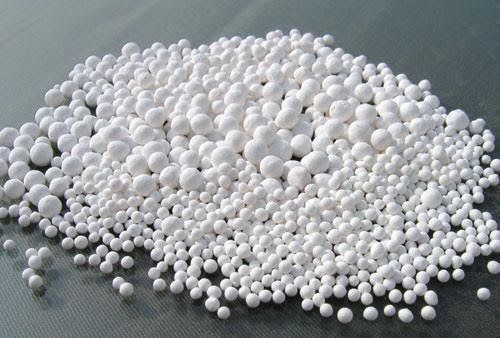
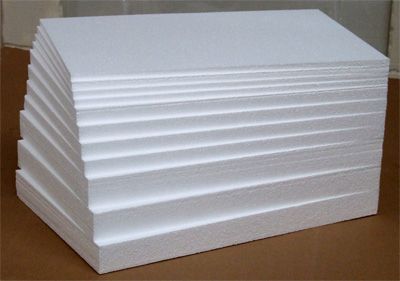
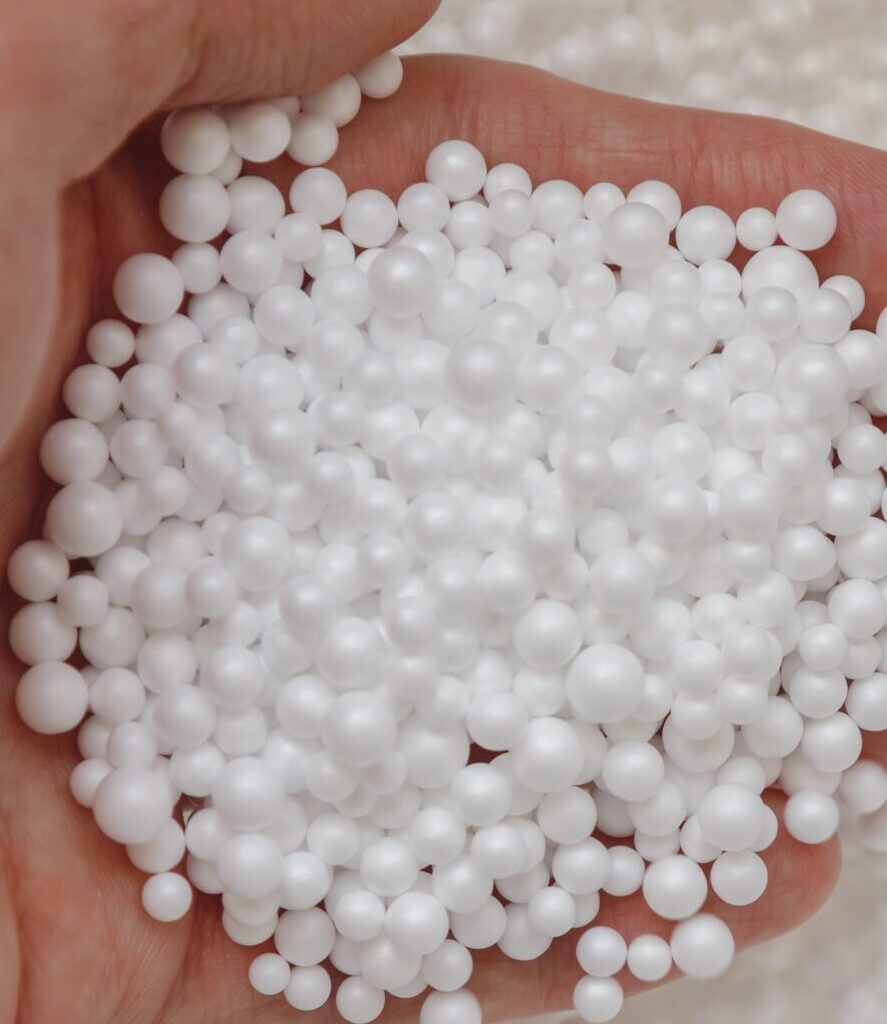
EPS beads (Expanded Polystyrene beads) play a growing role in thermal insulation across Kenyan buildings. While many materials focus only on strength, EPS beads improve indoor comfort, energy efficiency, and moisture control—especially in roofs, walls, and floors.
At Bioflex Insulation Ltd, we supply high-quality EPS beads designed specifically for insulation applications. This guide focuses on how EPS beads support thermal performance in Kenyan buildings, with lightweight construction mentioned only where it enhances insulation outcomes.
Why EPS Beads Are Effective for Insulation in Kenya
Kenya’s climate varies widely—from hot coastal regions to cool highland areas. As a result, buildings require insulation materials that perform consistently under different conditions.
EPS beads support insulation by:
- Reducing heat transfer through roofs and walls
- Stabilizing indoor temperatures throughout the day
- Minimizing condensation and moisture buildup
- Adding insulation without increasing structural load
Because EPS beads contain trapped air, they naturally resist heat flow while remaining lightweight and easy to apply.
Common Insulation Applications of EPS Beads
1. Roof and Ceiling Insulation
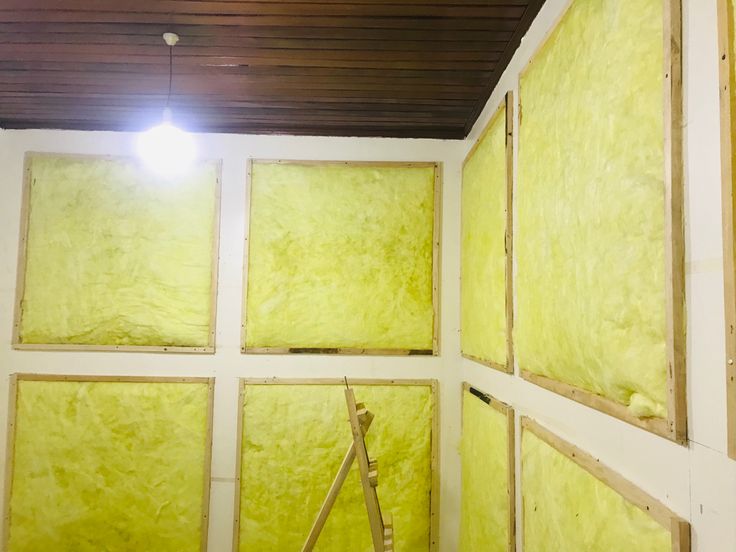
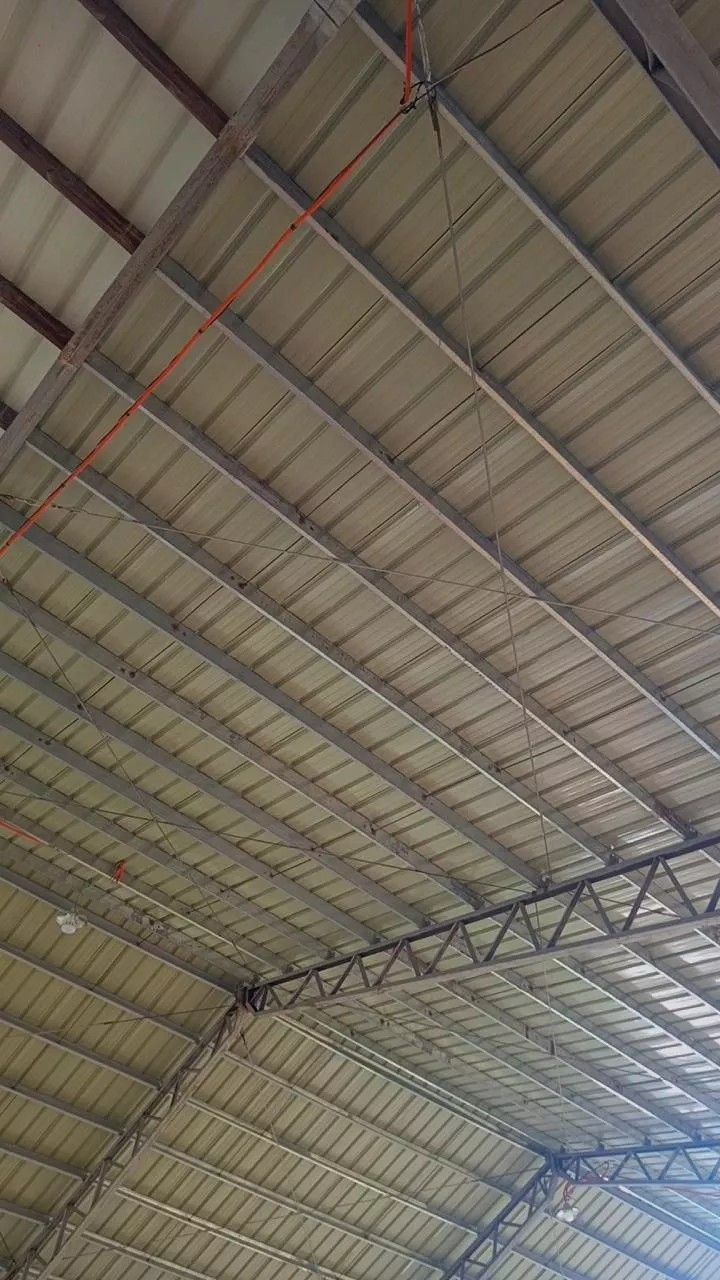
Our EPS beads are commonly used above ceilings or within roof voids to reduce heat gain, especially in residential and commercial buildings.
2. Wall Cavities and Partition Filling
In cavity walls, EPS beads improve thermal resistance while keeping walls light and dry.
3. Floor and Underfloor Insulation
When applied beneath slabs or screeds, EPS beads help reduce heat loss and improve comfort in upper and ground floors.
4. Building Retrofits and Renovations
EPS beads are ideal for upgrading insulation in existing buildings without major structural changes.
EPS Beads and Lightweight Construction (Secondary Benefit)
Although EPS beads are widely used in lightweight construction, their primary advantage remains insulation performance. In insulation-focused applications, EPS beads help reduce overall building weight while improving thermal efficiency.
For builders and contractors who want a detailed, concrete-specific guide, see our dedicated article on EPS Beads for Lightweight Concrete in Kenya.
Best Practices for Insulation Performance
To get the best results from EPS beads in insulation:
- Use uniform bead sizes for even coverage
- Keep beads dry and clean before application
- Combine with protective layers such as plaster or screed
- Avoid compressing beads, which reduces insulation efficiency
These practices help maintain long-term thermal performance.
EPS Beads Compared to Traditional Insulation Materials
Compared to heavier insulation materials, EPS beads offer:
- Better weight-to-insulation ratio
- Easier handling and installation
- Improved resistance to moisture
- Long service life with minimal maintenance
This makes them suitable for both residential and light commercial projects.
Frequently Asked Questions – EPS Beads for Insulation
Yes. Many insulation applications use EPS beads without any concrete, especially in roof voids and wall cavities.
Beads between 4–6 mm provide good thermal resistance and stable coverage.
Yes. By limiting heat transfer, EPS beads reduce cooling and heating demand.
Yes. EPS beads perform well in hot, cool, and humid regions when installed correctly.
Reliable EPS Beads for Insulation Projects
Bioflex Insulation Ltd supplies EPS beads tailored for thermal insulation and lightweight building applications. We support homeowners, contractors, and developers looking to improve comfort and efficiency without overloading structures.
📞 Speak to an insulation specialist: +254 722 664 867
📦 EPS beads available for retail and bulk supply