Understanding the Role of Ceramic Blankets in High-Temperature Industries
Industrial uses of ceramic blankets are critical in environments where extreme heat, energy efficiency, and equipment protection must be carefully controlled. In many industrial environments, extreme heat is not an exception—it is part of daily operations. Furnaces, kilns, boilers, incinerators, ovens, and metal-processing units operate at temperatures that can quickly degrade standard insulation materials. Without effective thermal protection, industries face energy losses, reduced equipment lifespan, and increased safety risks.
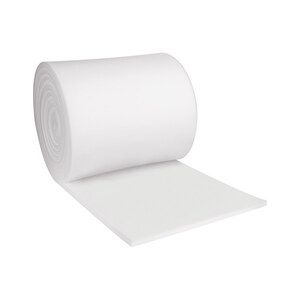
Ceramic blankets are engineered specifically for these conditions. Their ability to withstand very high temperatures while remaining lightweight and flexible makes them a critical insulation solution across multiple industrial sectors. Below are the top five industrial uses of ceramic blankets and why they are trusted worldwide.
1. Furnace and Kiln Insulation
Industrial furnaces and kilns require insulation that can tolerate continuous exposure to extreme heat without shrinking or cracking. Ceramic blankets are commonly used as hot-face insulation or backup insulation in these systems.
They help:
- Maintain stable internal temperatures
- Reduce heat transfer to outer shells
- Improve firing efficiency and process control
Compared to dense refractory linings, ceramic blankets significantly reduce structural load and simplify installation and maintenance.
2. Boiler and Incinerator Protection
Boilers and incinerators operate under sustained thermal stress and pressure. Ceramic blankets play a vital role in minimizing heat loss, improving combustion efficiency, and protecting surrounding structural components.
By reducing energy escape, ceramic blankets:
- Lower fuel consumption
- Improve thermal efficiency
- Extend the operational life of boilers and incinerators
For industries focused on cost control and energy optimization, this insulation delivers long-term operational value.
3. Chimney and Flue Lining
Industrial chimneys and flue systems are exposed to high temperatures, thermal cycling, and corrosive gases. Ceramic blankets act as a thermal and protective barrier that stabilizes flue temperatures and protects external structures.
They are often used together with ceramic rope and ceramic cloth to seal joints, expansion areas, and access points, enhancing both safety and system integrity.
4. Metalwork, Foundries, and Forging Operations
Foundries and metal-processing facilities rely on precise temperature control. Ceramic blankets are widely used in:
- Melting furnaces
- Heat treatment units
- Forging and casting operations
Their insulation performance helps contain heat within the process zone, ensuring consistent metallurgical results while reducing energy losses. For material selection guidance, many facilities evaluate blanket thickness and density based on furnace temperature profiles.
5. Industrial Ovens and Dryers
Large industrial ovens and dryers used in manufacturing, food processing, and chemical production require stable thermal conditions. Ceramic blankets provide uniform insulation that:
- Maintains consistent operating temperatures
- Reduces heat-up and cool-down time
- Improves product quality and process repeatability
Their flexibility also allows easy installation around curved or irregular oven surfaces.
Benefits of Ceramic Blankets Across All Industrial Uses
Regardless of application, ceramic blankets deliver key advantages:
- High-temperature resistance (up to 1,260°C and beyond)
- Improved energy efficiency and reduced fuel costs
- Extended equipment lifespan
- Enhanced fire safety and thermal stability
- Lightweight, flexible, and easy installation
These benefits make ceramic blankets a preferred choice in both new installations and retrofit projects.
Frequently Asked Questions (FAQs)
They can withstand extreme temperatures while remaining lightweight, flexible, and easy to install, unlike many traditional insulation materials.
Yes. By minimizing heat loss, they improve thermal efficiency and reduce overall fuel consumption.
In some cases, yes. If removed carefully and still structurally intact, they may be reused, though inspection is always recommended.
Industries using furnaces, kilns, boilers, incinerators, refineries, foundries, ovens, and dryers rely heavily on ceramic blanket insulation.
Conclusion
The importance of ceramic blankets in industrial applications cannot be overstated. From furnaces and boilers to chimneys and ovens, they provide thermal efficiency, operational safety, and long-term cost savings. Their versatility and performance make them a foundational insulation material in high-temperature industries.
At Bioflex Insulation Limited, we supply high-quality ceramic blankets along with complementary products designed to meet demanding industrial conditions across Kenya and East Africa.