Insulation Failure Is Rarely a Material Shortage — It’s a Selection Error
In high-temperature industrial environments, insulation rarely fails because it is missing. It fails because the wrong material was chosen for the operating conditions. Many facilities experience heat loss, premature shutdowns, or recurring maintenance not due to poor installation, but because insulation materials were selected based on price or familiarity instead of performance limits.
This is why comparing ceramic fiber cloth with asbestos, fiberglass, and Rockwool is not an academic exercise. It is a risk-management decision that affects safety, energy efficiency, equipment lifespan, and regulatory compliance.
Ceramic Fiber Cloth vs. Asbestos: Eliminating Risk Without Losing Performance
Why Asbestos Was Used — and Why It Failed Industry
Asbestos earned its place in industrial insulation because it resisted fire extremely well. However, its performance came with a hidden cost: long-term health damage. Once disturbed, asbestos fibers remain airborne and lodge in the lungs, leading to severe occupational diseases.
For modern industry, this creates two problems:
- Unacceptable worker health risk
- Legal and regulatory exposure
Ceramic fiber cloth replaces asbestos not by compromising performance, but by removing the health trade-off entirely. It delivers equivalent heat resistance while complying with modern safety standards, making it the only viable option where asbestos was once used.
In short, ceramic fiber cloth is not just a substitute — it is a technological correction to an outdated solution.
Ceramic Fiber Cloth vs. Fiberglass: Understanding Temperature Thresholds and Failure Modes
Why Fiberglass Works — Until It Doesn’t
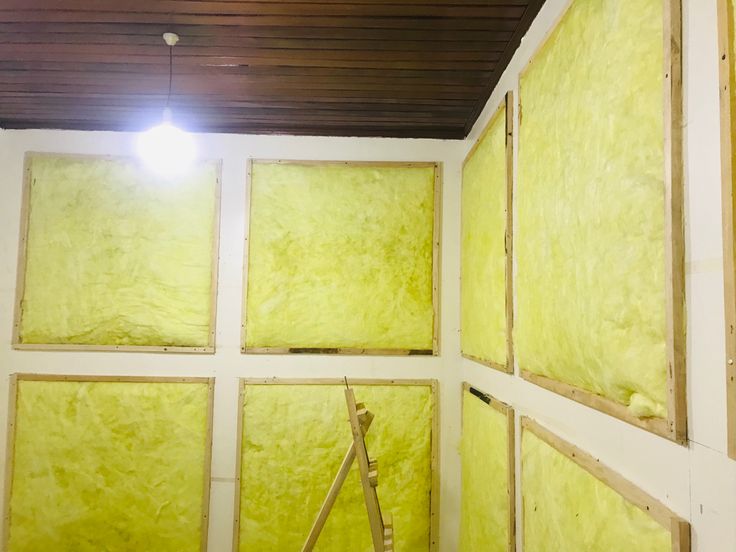
Fiberglass insulation performs well in environments where temperatures remain relatively stable and moderate. This makes it effective for HVAC systems, building insulation, and general thermal applications. However, fiberglass begins to lose mechanical strength and insulation integrity once temperatures exceed 600°C.
In high-temperature systems, this leads to:
- Fiber softening and breakdown
- Insulation shrinkage
- Heat leakage at joints and seams
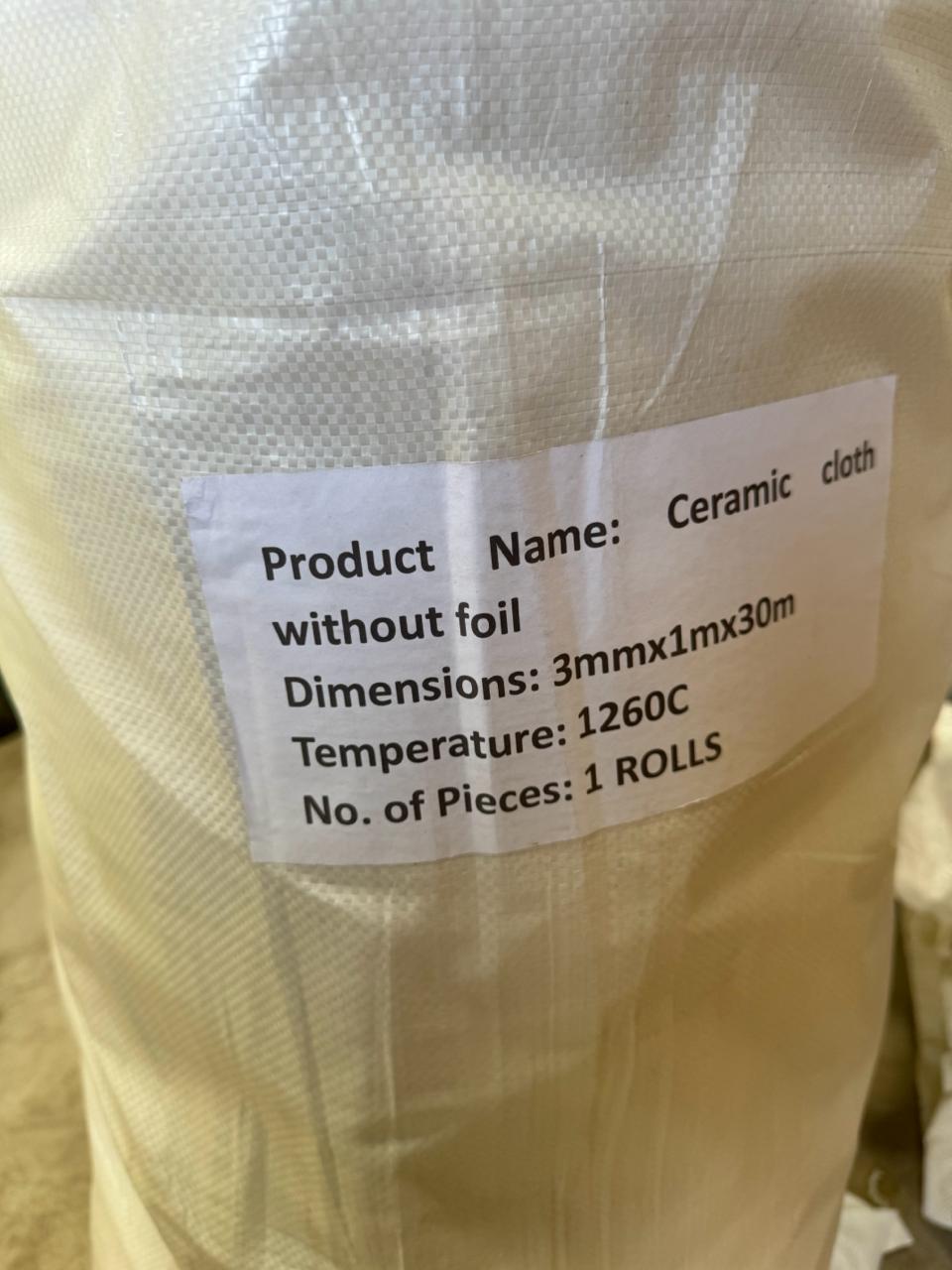
Ceramic fiber cloth operates in a completely different thermal category. With continuous temperature resistance up to 1,260°C, it remains structurally stable in furnaces, kilns, petrochemical units, and heat treatment systems.
The difference is not quality — it is the operating envelope. Fiberglass was never designed for extreme heat. Ceramic fiber cloth was.
Where Rockwool Performs Well — and Where It Becomes a Liability
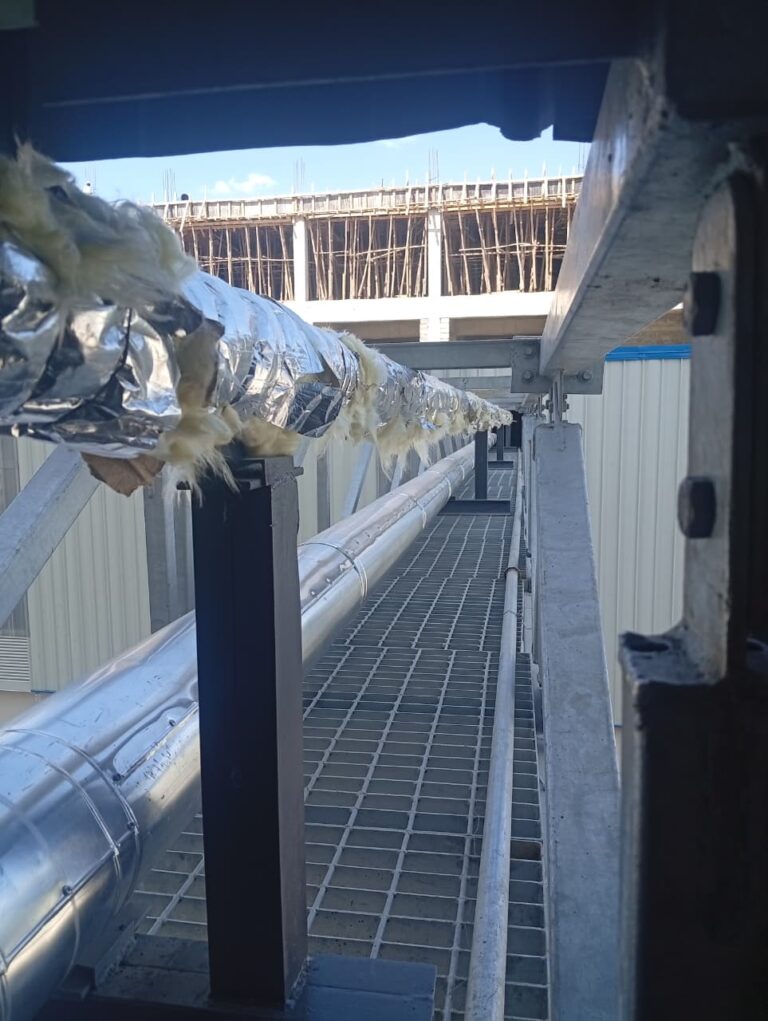
Rockwool provides excellent thermal and acoustic insulation in applications where flat surfaces and rigid structures dominate. Walls, ducts, panels, and enclosures benefit from its density and form stability. However, industrial systems rarely consist only of flat surfaces.
Problems arise in:
- Expansion joints
- Flanges and valves
- Curved ducts and exhaust lines
- Equipment that expands and contracts
Rockwool’s rigidity prevents it from conforming to these shapes without gaps. Those gaps become thermal leak points, accelerating heat loss and material degradation.
Ceramic fiber cloth eliminates this weakness through mechanical adaptability. It bends, wraps, overlaps, and moves with equipment. This flexibility allows it to maintain continuous insulation coverage where rigid materials fail
Mechanical Stress, Thermal Cycling, and Real-World Operation
Why Flexibility Is Not Optional in High-Temperature Systems
High-temperature equipment does not operate in static conditions. Metals expand, contract, vibrate, and cycle between heating and cooling phases. Rigid insulation materials crack, separate, or loosen under these stresses.
Ceramic fiber cloth absorbs these movements without losing contact or integrity. This makes it especially valuable in:
- Repeated shutdown and startup cycles
- Maintenance-heavy systems
- Equipment with thermal expansion zones
In real-world operation, flexibility becomes a performance requirement, not a convenience.
Why Cheaper Insulation Often Costs More
Ceramic fiber cloth may carry a higher initial cost than fiberglass or Rockwool. However, industrial insulation should never be evaluated by purchase price alone. The true cost includes:
- Replacement frequency
- Energy loss over time
- Maintenance labor
- Downtime risk
Because ceramic fiber cloth lasts longer under extreme conditions and requires fewer replacements, it often delivers lower total lifecycle cost, especially in critical systems.
Why This Comparison Matters to Industrial Decision-Makers
Each insulation material has a role. However, ceramic fiber cloth occupies a unique position:
- It replaces hazardous legacy materials (asbestos)
- It outperforms moderate-temperature insulation (fiberglass)
- It solves geometric and movement limitations of rigid insulation (Rockwool)
For industries operating under extreme heat, ceramic fiber cloth is not a premium upgrade — it is a functional necessity.
Frequently Asked Questions (FAQs)
Because it does not release carcinogenic fibers and complies with modern occupational safety standards.
No. Fiberglass remains suitable for moderate temperatures. Ceramic fiber cloth is designed specifically for extreme heat environments.
Yes. It can be cut, sewn, wrapped, and layered around complex shapes where rigid boards cannot perform.
In high-temperature systems, yes. Its durability and reduced maintenance needs lower long-term operating costs.
Choosing Function Over Familiarity
This comparison shows that ceramic fiber cloth is not just another insulation option. It is the material that resolves the fundamental limitations of asbestos, fiberglass, and Rockwool in extreme environments.
When safety, durability, flexibility, and thermal stability all matter, ceramic fiber cloth delivers predictable performance where other materials fail.