
Installing a Fiberglass blanket
Fiberglass in stallation in Kenya requires correct material selection, proper safety handling, and accurate fitting to achieve long-lasting insulation performance. Installing fiberglass insulation is one of the most affordable ways to improve comfort and reduce energy costs in Kenya and East Africa. Whether it’s a residential project or an industrial setup, proper installation ensures maximum performance and durability.
This guide will walk you through the steps of fiberglass insulation installation in Kenya, highlighting best practices and safety tips.
1. Tools and Materials You’ll Need
Before starting, make sure you have:
- Fiberglass insulation rolls, batts, or boards
- Measuring tape
- Utility knife or insulation saw
- Safety gloves, goggles, and a mask
- Stapler or adhesive (for fixing batts/boards)
- Protective clothing to avoid irritation
2. Safety First
Fiberglass is safe, but handling it without protection can cause skin irritation or respiratory discomfort. Always wear gloves, a mask, and goggles when working.
3. Fiberglass Installation in Kenya: Step-by-Step Process
Step 1: Measure the Area
Measure walls, ceilings, or ducts where insulation is required. This helps you cut fiberglass to the correct size and avoid wastage.
Step 2: Cut the Fiberglass
Using a utility knife, cut the fiberglass slightly longer than the measured area so it fits snugly.
Step 3: Place the Insulation
- For walls: Fit fiberglass batts between wall studs.
- For ceilings/attics: Lay fiberglass rolls between joists.
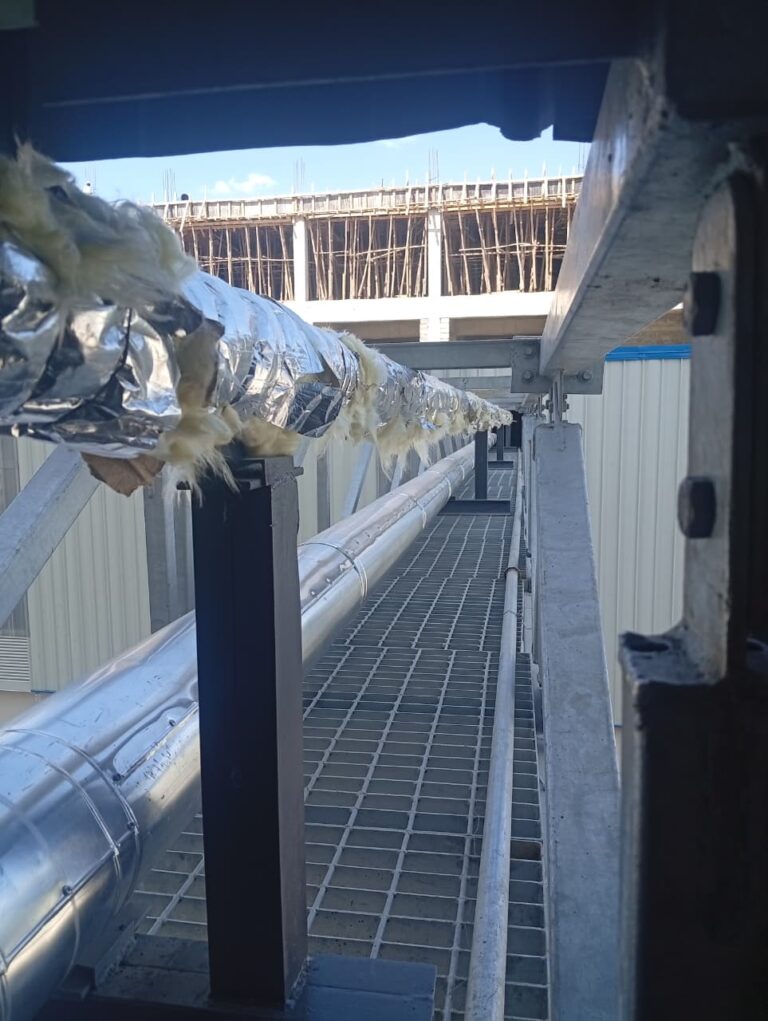
- For ducts/pipes: Wrap fiberglass boards securely around the surface.
Step 4: Secure in Place
Use a stapler, adhesive, or fasteners to keep fiberglass firmly in position. Ensure there are no gaps, as this reduces effectiveness.
Step 5: Seal and Finish
Cover exposed fiberglass with a vapor barrier or finishing layer (e.g., drywall, aluminum foil, or cladding) to protect it.
4. Common Mistakes to Avoid
- Leaving gaps between fiberglass pieces.
- Compressing fiberglass too tightly reduces insulation performance.
- Skipping protective clothing during installation.
5. Professional Help for Large Projects
While small DIY installations are possible, large residential or industrial projects need professional expertise. At Bioflex Insulation Ltd, we provide both supply and guidance for fiberglass insulation installation across Kenya.
We also offer complementary materials like Rockwool and PU Spray Foam for specialized needs.
Proper installation of fiberglass insulation helps reduce energy costs, control noise, and improve comfort in homes and industries. By following the right steps—or working with experts—you can maximize the benefits of fiberglass insulation in Kenya.
FAQs
Yes. Small areas such as attics and walls can be handled as DIY projects, but proper safety gear should always be used.
The correct thickness depends on the building type, application area, and insulation requirements. Professional guidance helps ensure the best performance.
Yes. Covering fiberglass insulation protects it from moisture and physical damage while improving overall safety.
Fiberglass insulation is supplied and supported by professional insulation providers who handle residential, commercial, and industrial installations across Kenya.