Why Soil Structure Matters
Vermiculite for soil structure improvement in Kenya is an essential solution for gardeners and farmers aiming to enhance poor or compacted soils. Weak soil structure limits air circulation, nutrient flow, and root growth. In Kenya’s mixed soils—from clay-heavy farmlands to dry, sandy gardens—this often leads to low yields and poor water retention.
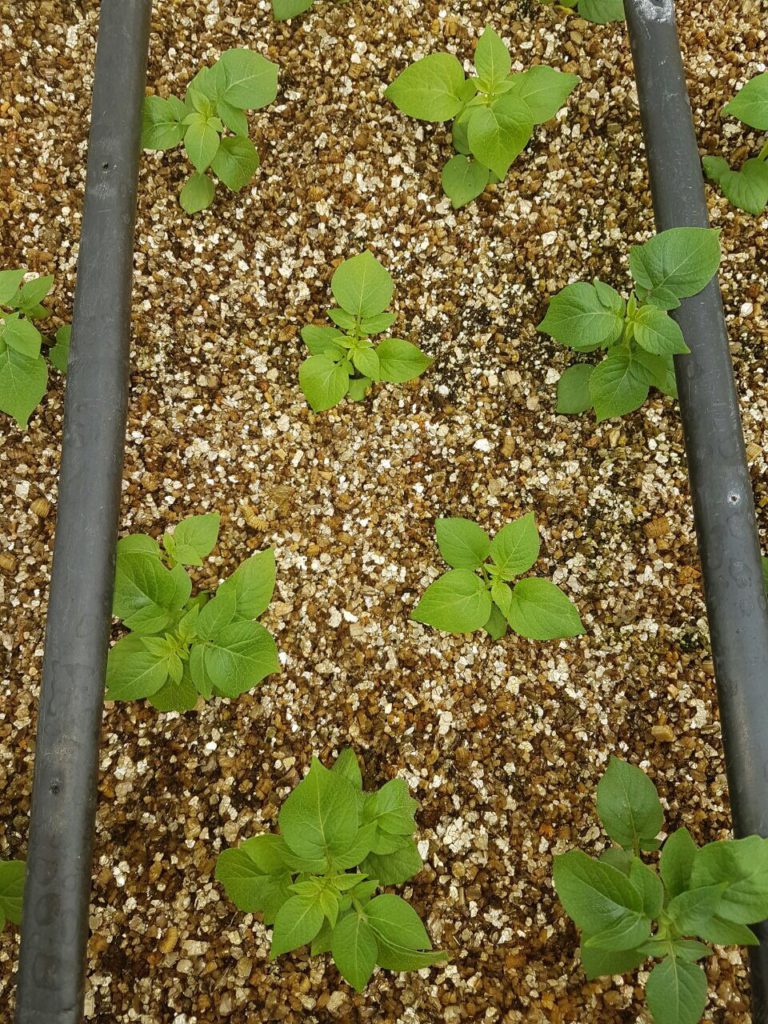
Fortunately, adding vermiculite can transform soil behavior. It improves air movement, moisture balance, and nutrient retention. As a result, plants grow stronger, healthier, and more resilient to drought or flooding.
How Vermiculite Improves Soil Structure
1. Loosens Compacted Soils
When blended into dense soil, vermiculite opens its structure, allowing both air and moisture to circulate freely. This prevents waterlogging and keeps the soil light and easy to work with.
Result: Stronger roots and improved nutrient uptake.
2. Retains Moisture Without Overwatering
Vermiculite absorbs and stores water efficiently, then releases it as plants need it. Therefore, the soil stays evenly moist, even during dry periods.
Result: Reduced watering frequency and improved drought tolerance.
3. Improves Nutrient Retention
Because of its natural cation exchange capacity, vermiculite holds key nutrients like potassium, calcium, and magnesium. These nutrients are gradually released to the roots.
Result: Consistent feeding, greener leaves, and stronger overall growth.
4. Prevents Soil Crusting
Under Kenya’s intense sunlight, exposed soil can form hard crusts after rainfall or irrigation. However, vermiculite keeps the surface soft and porous, preventing this problem.
Result: Easier seedling emergence and better airflow around roots.
5. Works Well with Organic Matter
Vermiculite pairs perfectly with compost, peat moss, or manure. It helps distribute organic material evenly while maintaining aeration.
Result: Rich, fertile, and well-balanced soil that supports continuous plant development.
Best Vermiculite Mix Ratios
- For garden beds: Mix 1 part vermiculite with 3 parts soil.
- For clay soils: Use equal parts soil and vermiculite.
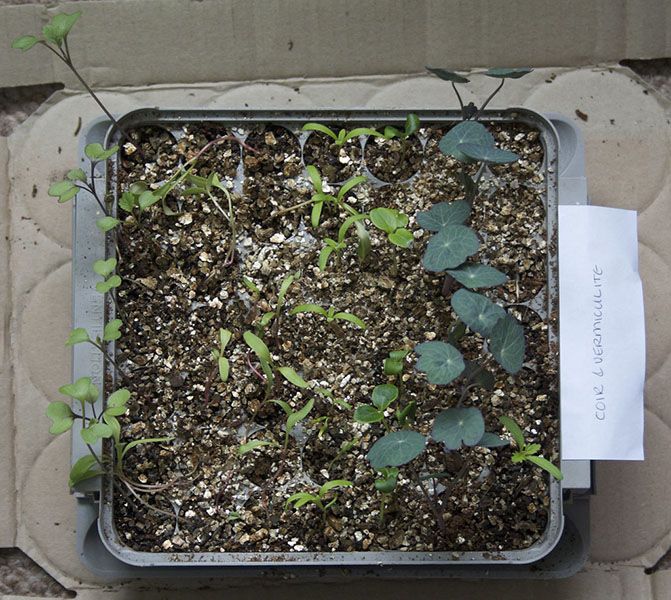
- For pots: Combine 1 part vermiculite, 1 part compost, and 1 part soil.
Tip: Combine vermiculite with Styrofoam Beads in Kenya to make an ultra-light planting medium suitable for rooftop gardens and potted plants.
Why Choose Bioflex Vermiculite
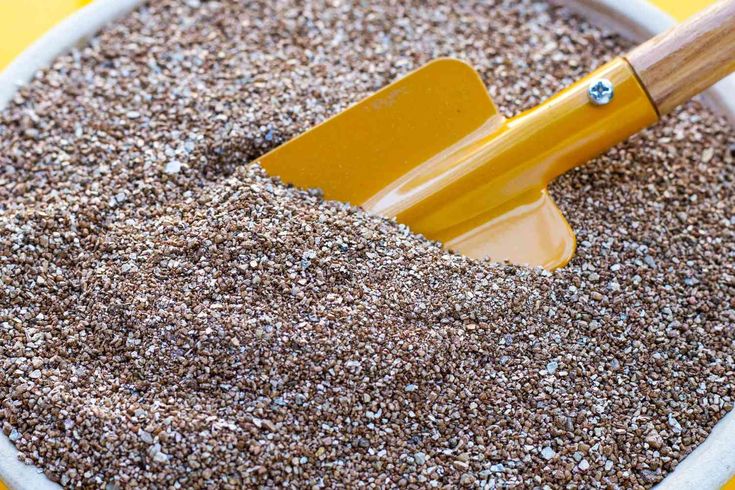
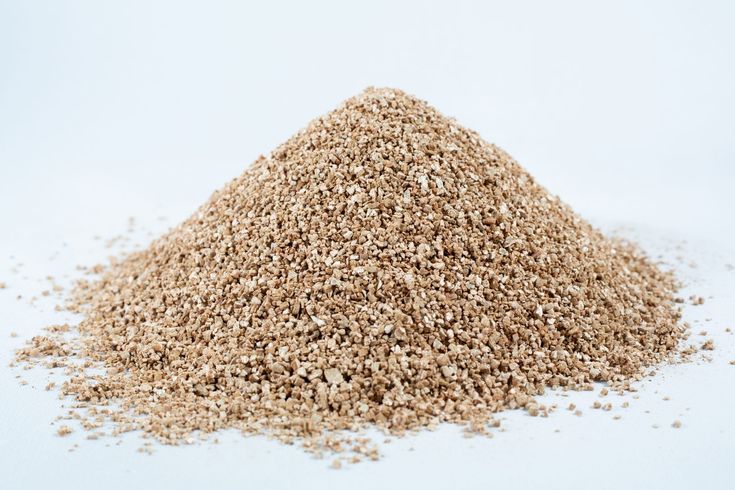
At Bioflex Insulation Ltd, we provide agricultural-grade vermiculite trusted by farmers, landscapers, and greenhouse growers across Kenya and East Africa. It is clean, consistent, and designed to last.
Our vermiculite for soil structure improvement in Kenya helps to:
- Improve root penetration and soil aeration.
- Reduce irrigation needs.
- Retain essential nutrients naturally.
- Enhance long-term soil health and fertility.
For details, visit our Agricultural Vermiculite in Kenya product page.
According to the FAO Soil Management Guidelines, soil conditioners like vermiculite help maintain proper aeration, nutrient balance, and long-term fertility—key factors for sustainable agriculture in Kenya.
Related Reading
Vermiculite for Seed Propagation in Kenya – Discover how vermiculite boosts germination and root strength.
Vermiculite for Hydroponic Gardening –
Vermiculite for Rooting Plant Cuttings – Learn simple techniques for successful plant propagation.
Frequently Asked Questions (FAQs
Yes. Vermiculite is beneficial in clay, sandy, and loamy soils, especially where you want to balance drainage and moisture retention.
Vermiculite is pH-neutral to slightly alkaline, so it won’t drastically change your soil’s acidity.
Apply vermiculite during initial planting or when refreshing garden beds, typically once or twice a year.
Vermiculite holds more water, while perlite improves drainage. They can also be used together in soil mixes.
Order Vermiculite in Kenya
Upgrade your soil today with premium agricultural vermiculite in Kenya from Bioflex Insulation Ltd. We supply farmers, gardeners, and landscapers across Kenya and East Africa.
Call 0722 664 867 for orders and delivery information.