Why Safety Matters When Using Ceramic Fiber Blankets
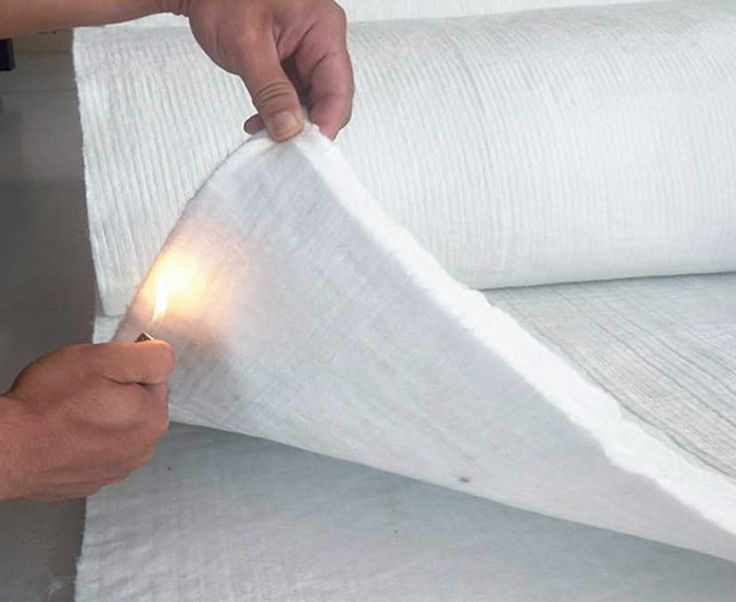
Ceramic fiber blanket safety is critical when working with high-temperature insulation materials used in furnaces, kilns, and boilers. Ceramic fiber blankets are widely used in high-temperature insulation systems such as furnaces, kilns, boilers, incinerators, and ovens. Their ability to withstand extreme temperatures makes them essential in industrial and commercial applications. However, improper handling can expose workers to airborne fibers that may irritate the skin, eyes, and respiratory system.
This guide outlines practical safety measures for handling ceramic fiber blankets, helping you protect worker health while maintaining insulation performance and site safety.
Personal Protective Equipment for Ceramic Fiber Blanket Safety
Personal protective equipment is the first line of defense when working with ceramic fiber blankets. Always ensure the following PPE is worn during handling, cutting, and installation:
- Protective gloves to prevent skin irritation
- Safety goggles to shield eyes from loose fibers
- Long-sleeved clothing to reduce direct skin contact
- Dust mask or approved respirator to limit fiber inhalation
Using the correct PPE significantly reduces exposure risks, especially in enclosed or high-traffic industrial environments.
Handle and Cut Ceramic Fiber Blankets Carefully
Ceramic fiber blankets release fibers mainly during cutting and excessive handling. To minimize airborne particles:
- Use sharp cutting tools to achieve clean cuts
- Avoid tearing or pulling the blanket by hand
- Work in well-ventilated areas whenever possible
- Handle the material gently and avoid unnecessary shaking
Controlled handling not only improves safety but also results in a cleaner, more precise installation.
Maintain a Clean and Controlled Work Area
Loose fibers can settle on surrounding surfaces and become airborne again if disturbed. Good housekeeping practices are essential:
- Use HEPA-filtered vacuum cleaners instead of sweeping
- Isolate the installation area from non-essential personnel
- Collect offcuts and waste immediately
- Dispose of waste materials in sealed bags according to local regulations
A clean work environment reduces secondary exposure and improves overall site safety.
Follow Safe Installation Practices
Proper installation prevents fiber release during operation and maintenance. Ensure that ceramic fiber blankets are:
- Securely fixed with no loose edges
- Installed to the manufacturer-recommended thickness
- Covered or paired with complementary materials where required
In high-stress or exposed applications, ceramic blankets are often used alongside ceramic cloth, ceramic rope, or refractory cement to improve durability, sealing, and safety.
Training and Safety Awareness
Workers who regularly handle ceramic fiber insulation should receive basic safety training. Understanding potential risks, correct handling methods, and emergency procedures helps reduce long-term health issues and workplace incidents.
Safety awareness is especially important in industrial plants, fabrication workshops, and maintenance environments where exposure may be frequent.
Frequently Asked Questions (FAQs)
Ceramic fiber blankets are safe when handled correctly. However, airborne fibers can irritate the skin, eyes, or lungs if proper precautions are not taken.
Seal all offcuts and waste in durable bags and dispose of them in line with local waste-handling regulations.
No. Even short-term exposure can irritate. PPE is strongly recommended for all handling and installation work.
Use sharp tools, avoid unnecessary handling, maintain ventilation, and clean the area using HEPA-filtered vacuum systems.
Conclusion
Ceramic fiber blankets play a vital role in high-temperature insulation, but safe handling is just as important as thermal performance. With the right protective equipment, careful cutting, controlled installation, and proper waste management, ceramic fiber blankets can be used safely and effectively.
At Bioflex Insulation Limited, we supply high-performance ceramic fiber blankets and guide safe installation practices, along with complementary solutions such as refractory cement, ceramic cloth, and ceramic rope for industrial applications. +254722664867