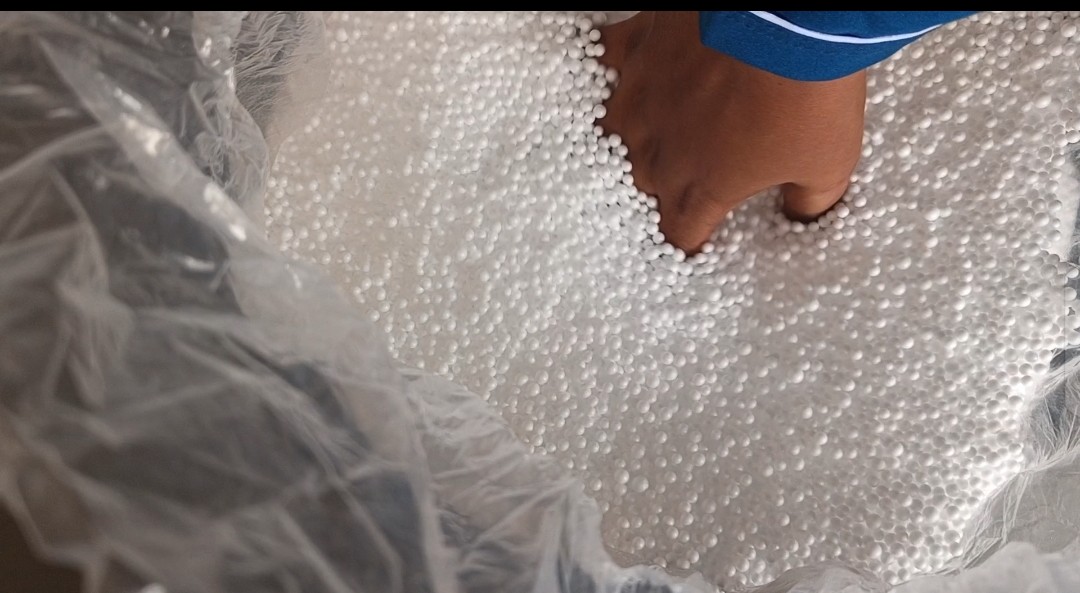
EPS Beads for Construction in Kenya (Lightweight Concrete, Blocks and Screeds)
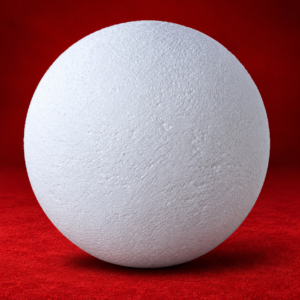
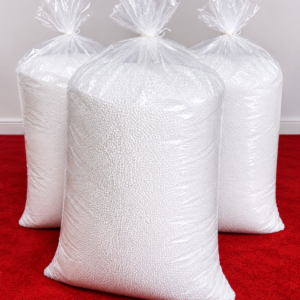
EPS beads for construction in Kenya. Virgin 3–6mm beads in 1kg bags for lightweight concrete, blocks, screeds and panels.
- Lighter blocks and wall panels
- Insulating floor and roof screeds
- Reduced dead load on structures
- Better heat and sound insulation
Bulk supply for contractors, block makers and precast producers. Pick up from Industrial Area, Nairobi, or get site delivery across Kenya and East Africa. Call or WhatsApp 0722 664 867.
Description
EPS Beads for Construction in Kenya: Build Lighter, Cooler and Faster
Looking for reliable EPS beads for construction in Kenya? Bioflex Insulation Limited supplies virgin EPS beads to contractors, block makers, precast producers and developers across Kenya and East Africa.
When mixed into concrete, our beads replace part of the heavy aggregate. As a result, you get lightweight concrete that is easier to handle, cheaper to transport and better at keeping heat out. So whether you are producing blocks, laying screeds or casting panels, we can supply the beads for the job.
What Is EPS Concrete?
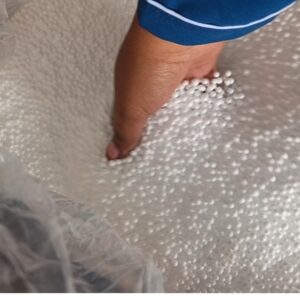
EPS concrete, also called polystyrene concrete or lightweight bead concrete, is a mix of cement, sand, water and expanded polystyrene beads. Because the beads are about 98% air, they make the concrete much lighter than normal.
In addition, the trapped air in each bead slows the movement of heat and sound. Therefore, EPS concrete keeps buildings cooler in Kenya’s heat and quieter inside. To learn more about how it works, read our guide on EPS beads for lightweight concrete.
Product Specifications
- Material: Virgin expanded polystyrene (EPS)
- Bead size: 3–6mm
- Colour: White
- Packaging: 1kg bags
- Orders: Single bags to bulk project supply
- Pickup: Industrial Area, Nairobi
- Delivery: Site delivery across Kenya and to East African countries
Construction Uses of EPS Beads
Lightweight Blocks
Block makers mix EPS beads into concrete to produce lighter blocks. Because each block weighs less, workers carry and lay them faster, and transport costs drop.
Partition Wall Panels
Similarly, EPS concrete is used to cast lightweight partition panels for offices, apartments and hostels. These panels are quick to install and help reduce noise between rooms.
Floor Screeds
For example, an EPS bead screed adds a light, insulating layer to floors, especially on upper levels where weight matters.
Roof Screeds and Slope Fill
On flat concrete roofs, EPS concrete is often used to build up falls for drainage. At the same time, it adds a layer of insulation that helps keep the rooms below cooler.
Void and Infill Work
In addition, EPS concrete fills voids, trenches and raised areas without adding heavy load to the structure.
Precast and Decorative Items
Besides structural work, precast producers use EPS concrete for garden planters, decorative mouldings, cornices and light architectural features.
Insulating Plaster and Render
Likewise, fine EPS beads can be added to plaster and render to improve the thermal insulation of walls.
For insulation-only uses such as cavity filling, also see our guide on EPS beads for insulation in Kenya.
Benefits of Building with EPS Beads
- Lighter structures. EPS concrete weighs far less than normal concrete, so it reduces the dead load on slabs, beams and foundations.
- Better thermal insulation. Because the beads trap air, walls, floors and roofs gain more resistance to heat.
- Sound reduction. In addition, EPS concrete helps dampen noise between rooms and floors.
- Faster work. Lighter blocks and panels are quicker to carry, lift and install. As a result, labour time drops.
- Lower transport costs. Since the materials weigh less, you move more per trip.
- Easy to cut and fix. EPS concrete can be cut, drilled and nailed more easily than dense concrete.
- Water resistant beads. EPS beads do not absorb water. Therefore, they don’t rot or break down in the mix.
Who Buys Our EPS Beads for Construction
- Building contractors working on residential and commercial projects
- Block makers producing lightweight blocks
- Precast concrete producers casting panels, planters and mouldings
- Real estate developers looking to cut structural weight and cost
- Affordable housing projects that need fast, lightweight building methods
- Roofing and waterproofing contractors laying roof screeds
- Fundis and DIY builders working on smaller jobs
Tips for Mixing EPS Concrete
Every project is different, so always follow the mix design from your engineer or block supplier. However, these general tips help get good results:
- Mix the cement paste first. Combine cement, sand and water before adding beads, so the beads get coated evenly.
- Wet the beads lightly. Because dry beads are very light, a little water stops them from floating and blowing away.
- Use a bonding agent. Many builders add a bonding or wetting admixture. As a result, the beads bond better with the cement.
- Add beads gradually. Then keep mixing until every bead is coated and the mix looks even.
- Don’t overmix. Otherwise, the beads may separate and rise to the top.
- Cure properly. Finally, keep the concrete damp while it cures, just as you would with normal concrete.
Important: EPS concrete is mainly used for non-load-bearing work such as blocks, partitions, screeds and fill. For any structural element, consult a qualified engineer before use.
How Many Bags Do You Need?
The quantity depends on the volume of concrete and how light you want it. For instance, a lighter, more insulating mix uses more beads than a stronger, denser one.
So send us your project details, such as the area, thickness or number of blocks. Then our team will help you estimate the number of 1kg bags, so your site doesn’t run short mid-pour.
Bulk Supply and Site Delivery
- Bulk orders: We supply contractors and block makers in project quantities.
- Pickup: Bioflex Insulation Limited, Industrial Area, Nairobi
- Hours: Monday to Saturday, 8am to 5pm
- Delivery: Site delivery across Kenya, as well as Uganda, Tanzania and other East African countries
Buying for a large project? Also read about wholesale styrofoam beads in Kenya.
Frequently Asked Questions
1. Can EPS beads be used in concrete?
Yes. In fact, EPS beads are widely used to make lightweight concrete for blocks, screeds, panels and fill.
2. Is EPS concrete strong enough for building?
EPS concrete is strong enough for non-load-bearing work such as partitions, blocks, screeds and fill. However, for structural elements such as columns and beams, always consult an engineer.
3. Does EPS concrete insulate against heat?
Yes. Because the beads trap air, EPS concrete resists heat better than normal concrete. As a result, rooms stay cooler.
4. Why do EPS beads float in the mix?
The beads are very light, so they tend to rise if the mix is too wet or overmixed. Therefore, coat them with cement paste, use a bonding agent and avoid overmixing.
5. What bead size is best for concrete?
Our 3–6mm beads suit most blocks, screeds and panels. For very fine plaster work, however, ask us for advice first.
6. Do you deliver to construction sites?
Yes. We deliver to sites across Kenya and to East African countries, including Uganda and Tanzania.
7. How much do EPS beads for construction cost?
The price depends on the quantity you order, and bulk orders get better rates. So call or WhatsApp us on 0722 664 867 for a project quote. Also, read our guide on the styrofoam beads price in Kenya.
8. Are EPS beads safe to handle on site?
Yes, they are non-toxic and easy to handle. However, keep them away from open flames and hot work, because EPS is combustible before it is mixed into concrete.
Order EPS Beads for Construction in Kenya Today
So if you are planning lighter, cooler and faster builds, contact Bioflex today. We’ll help you estimate quantities and arrange pickup or site delivery.
Call or WhatsApp: 0722 664 867
Email: info@bioflexinsulationlimited.co.ke
Visit: Industrial Area, Nairobi. Monday to Saturday, 8am to 5pm.
Need beads for other uses? Then see our polystyrene beads in Kenya and styrofoam beads in Kenya pages.