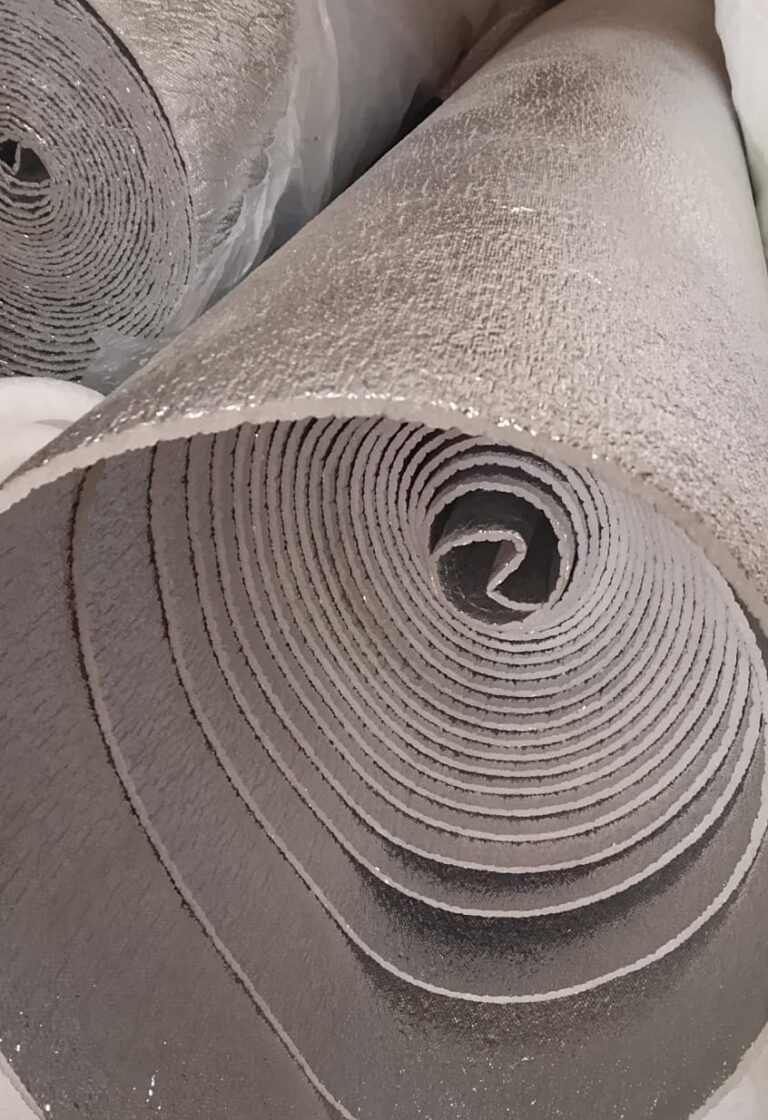

Understanding the Real Question Behind Rockwool vs Fiberglass Insulation
Rockwool vs fiberglass insulation is one of the most common comparisons homeowners, contractors, and industrial clients face in Kenya. Both materials are widely used, yet they behave very differently when exposed to heat, moisture, fire risk, and long-term wear.
This guide breaks down Rockwool vs fiberglass insulation from a practical point of view—performance, safety, durability, and cost—so you can choose the material that actually fits your application, not just your budget.
Material Composition and How It Affects Performance
Rockwool Insulation Overview
Rockwool insulation is manufactured from volcanic rock melted and spun into dense fibers. This process creates a rigid, non-combustible insulation material designed for demanding conditions.
Key characteristics of Rockwool insulation include:
- High fire resistance (withstands temperatures above 1,000°C)
- Excellent sound absorption due to dense fiber structure
- Strong and stable thermal insulation
- Resistance to moisture, mold, and pests
Because of these properties, Rockwool insulation is commonly used in industrial plants, commercial buildings, and high-risk residential areas.
Fiberglass Insulation Overview
Fiberglass insulation is produced from fine glass fibers bonded together, resulting in a lightweight and flexible material.
Its main characteristics include:
- Easy handling and installation
- Lower upfront material cost
- Good thermal insulation for moderate conditions
- Common use in walls, ceilings, and attics
Fiberglass insulation in Kenya remains popular for budget-focused residential projects and low-risk applications.
Rockwool vs Fiberglass Insulation: Performance Comparison
1. Fire Resistance
Fire safety is where the difference becomes critical.
- Rockwool insulation: Non-combustible and remains stable under extreme heat.
- Fiberglass insulation: Heat-resistant but can melt and lose form at lower temperatures.
Winner: Rockwool insulation
This makes Rockwool the safer choice for factories, kitchens, boiler rooms, and multi-storey buildings.
2. Thermal Performance and Energy Efficiency
Both materials reduce heat transfer, but their long-term performance differs.
- Rockwool: Maintains thermal efficiency even when exposed to moisture or compression.
- Fiberglass: Performs well initially but can lose efficiency if it becomes wet or compressed.
Winner: Rockwool insulation, especially for long-term energy savings.
3. Soundproofing and Acoustic Control
Noise control is essential in offices, apartments, and industrial facilities.
- Rockwool: Dense structure absorbs sound effectively.
- Fiberglass: Provides some sound absorption but is less effective.
Winner: Rockwool insulation
This is why Rockwool is widely used in studios, hospitals, and shared spaces.
4. Durability and Lifespan
Durability affects maintenance costs and replacement cycles.
- Rockwool: Resistant to moisture, mold, rodents, and aging.
- Fiberglass: Can sag, compress, or degrade over time if conditions are not ideal.
Winner: Rockwool insulation
5. Cost Considerations
Cost often drives the final decision.
- Rockwool: Higher initial investment but lower maintenance and replacement costs.
- Fiberglass: More affordable upfront, but may require earlier replacement.
Winner: Fiberglass insulation for short-term or budget-limited projects.
Which One Should You Choose in Kenya?
Choose Rockwool insulation in Kenya if your priority is:
- Fire safety
- Long-term durability
- Superior acoustic performance
- Industrial or commercial reliability
Choose fiberglass insulation in Kenya if:
- Budget is the primary concern
- The application is low-risk
- Installation needs to be quick and lightweight
Industry Standards and Safety Considerations
Fire-resistant insulation materials like Rockwool are widely recommended in international building and safety guidelines. Organizations such as the International Organization for Standardization emphasize fire safety and material performance in construction and industrial systems, especially in high-occupancy or high-temperature environments.
Frequently Asked Questions (FAQs)
Yes, but its durability, fire resistance, and long service life often justify the higher upfront cost.
No. Fiberglass is heat-resistant but cannot withstand extreme temperatures like Rockwool.
Rockwool insulation offers superior noise reduction due to its dense fiber structure.
Yes, especially when exposed to moisture or physical compression.
Conclusion
When comparing Rockwool vs fiberglass insulation, the better choice depends on what matters most to your project. Rockwool delivers fire safety, durability, and long-term efficiency, while fiberglass remains a cost-effective option for low-risk applications.
At Bioflex Insulation Limited, we supply both Rockwool and fiberglass insulation across Kenya and East Africa. We help clients choose the right insulation based on application, safety requirements, and budget, not guesswork.
📞 Contact Bioflex Insulation Limited: +254 722 664 867
Recommended blogs
- Read about the Benefits of Rockwool Insulation.
- Learn how to Install Rockwool for Best Results.
- Discover Fiberglass Insulation Advantages.