
Rockwool Installation Guide
Rockwool installation in Kenya. Installing Rockwool insulation correctly is essential for achieving fire safety, energy efficiency, and sound control. In Kenya, many builders and facility managers choose Rockwool insulation but often ask the same question: What is the correct way to install Rockwool for maximum performance?
This guide explains Rockwool installation in Kenya, covering preparation, tools, installation methods, safety tips, and common mistakes to avoid.
If you are still evaluating whether Rockwool is the right solution, read Rockwool Insulation Benefits for Homes and Industries in Kenya. For budgeting and procurement, see Cost of Rockwool Insulation in Kenya.
Tools and Materials Required for Rockwool Installation in Kenya
Before starting, ensure you have the following:
- Rockwool boards, blankets, batts, or pipe sections
- Measuring tape
- Utility knife or insulation saw
- Safety gloves, goggles, and a dust mask
- Stapler, mechanical fasteners, or insulation adhesive
- Protective clothing
Step 1: Prepare the Installation Area
Clean the installation surface by removing dust, oil, and debris. A clean and dry surface allows Rockwool insulation to sit properly and prevents long-term performance issues.
Step 2: Measure and Cut the Rockwool Insulation
Measure the cavity or surface accurately. Cut the Rockwool slightly oversized so it fits snugly. Avoid compressing the insulation, as compression reduces thermal and acoustic performance.
Step 3: Install Rockwool Based on Application
Wall Insulation
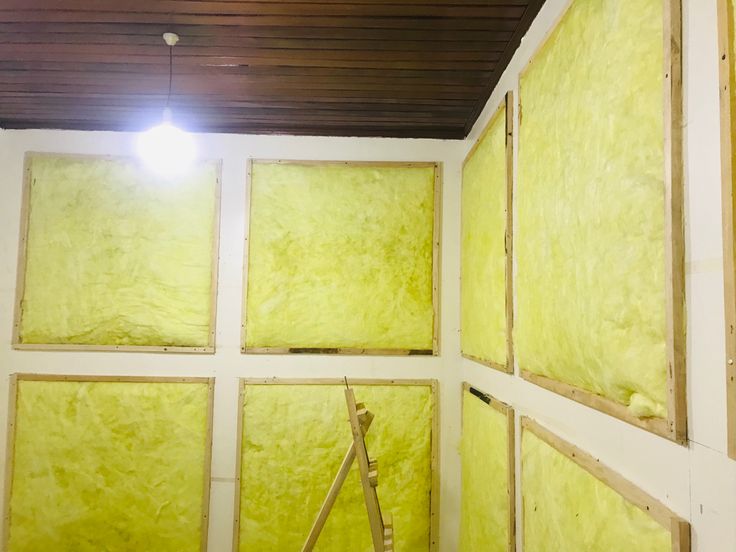
Fit Rockwool boards or batts tightly between studs without leaving gaps.
Roof and Ceiling Insulation
Lay Rockwool blankets or slabs between joists, ensuring full coverage.
Pipe and Duct Insulation
Wrap Rockwool pipe sections or blankets securely around pipes and ducts, especially in mechanical rooms and industrial plants.
Step 4: Secure the Rockwool Insulation
Fix the insulation using fasteners, staples, or adhesive, depending on the surface. Ensure the insulation remains stable and does not sag over time.
Step 5: Finish and Protect the Insulation
Cover the Rockwool with aluminum cladding, drywall, or appropriate protective sheeting. This improves durability, moisture resistance, and safety compliance.
Safety Tips for Rockwool Installation
- Always wear gloves, goggles, and a dust mask
- Do not compress Rockwool insulation
- Keep insulation dry during handling and installation
- Follow manufacturer safety recommendations
Common Rockwool Installation Mistakes to Avoid
- Leaving gaps between boards or batts
- Using incorrect insulation thickness
- Exposing Rockwool without protective covering
- Poor sealing around joints and edges
For material comparison, see Rockwool vs Fiberglass Insulation in Kenya.
Why Professional Rockwool Installation Matters
Small residential projects can be handled with basic guidance. However, commercial and industrial Rockwool installation in Kenya requires professional planning to meet fire ratings, thermal performance standards, and building regulations.
At Bioflex Insulation Limited, we supply quality Rockwool insulation and provide expert guidance for proper installation across residential, commercial, and industrial projects.
Conclusion
Correct Rockwool insulation applications and performance benefits. improves comfort, reduces energy costs, enhances fire resistance, and delivers long-term performance. Whether you follow the proper steps or work with experienced installers, correct installation is what makes Rockwool insulation effective.
For a comparison with other options, Rockwool vs Fiberglass Insulation in Kenya.
FAQs
Yes. Small and simple installations can be done independently, but professional installation is recommended for large or complex projects to ensure correct performance.
Yes. Covering Rockwool improves safety, protects the material from damage, and enhances long-term performance.
Rockwool boards are ideal for walls and partitions because they provide strong thermal, acoustic, and fire-resistant properties.
Rockwool insulation is supplied and supported by professional insulation providers who handle residential, commercial, and industrial installations across Kenya