Which Gasket Should You Choose?
Whether you’re sealing a pipe flange, insulating a duct, or fixing a leak, you’ll come across two popular rubber options:
- Plain Rubber Sheets
- Rubber Insertion Sheets (Fabric-Reinforced)
But what’s the real difference?
And more importantly, which one is best for your application?
If you choose the wrong one, you might end up with leaks, premature wear, or a solution that simply doesn’t work.
This blog clears up the confusion and helps you pick the right gasket material for industrial or commercial use in Kenya.
What Are Plain Rubber Sheets?
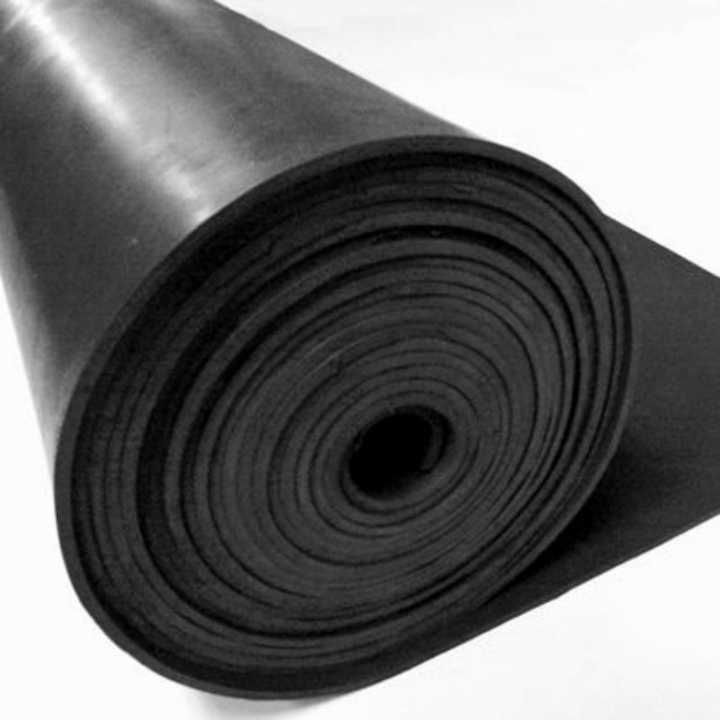
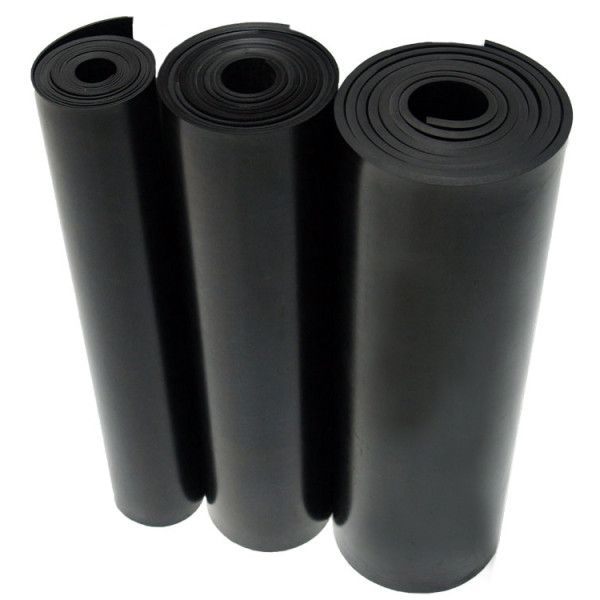
Plain rubber sheets are made of a solid rubber compound, with no reinforcement inside. They are flexible, water-resistant, and easy to cut.
Common Uses:
- Light-duty sealing
- Dust protection
- Low-pressure water pipes
- Electrical insulation (in dry environments)
Check out: Rubber Insertion Gaskets for Sealing and Insulation in Kenya
What Are Rubber Insertion Sheets?
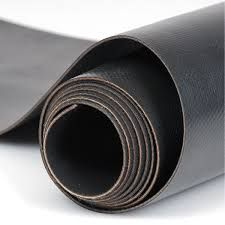
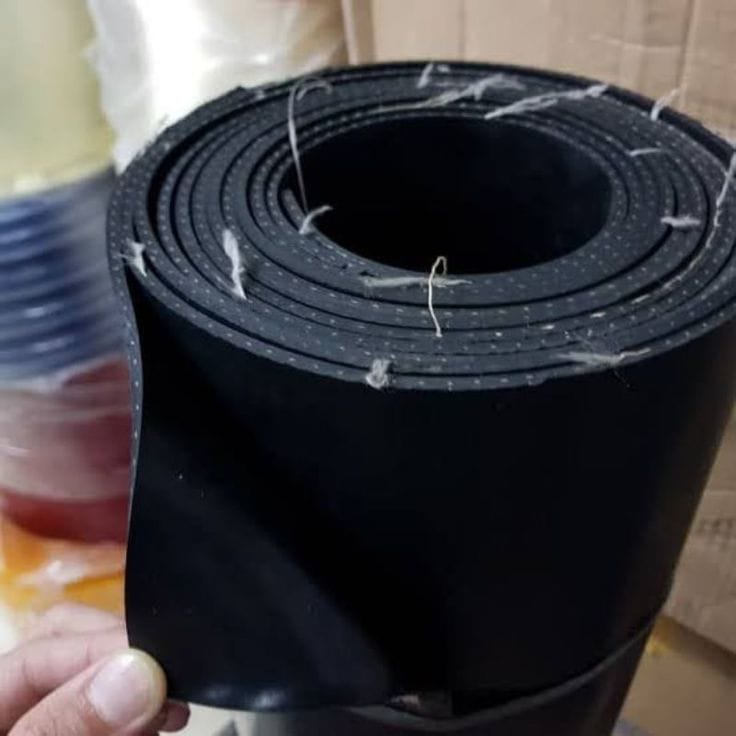
Rubber insertion sheets are made from the same rubber compound, but with one or more fabric layers inserted (typically cotton or polyester). This reinforcement boosts strength, durability, and resistance to stretching or tearing under pressure.
Common Uses:
- Sealing high-pressure flange joints
- Steam or oil pipelines
- Vibration dampening in industrial machines
- Gasket cutting for custom shapes
- Heavy-duty insulation systems
Available at Bioflex Insulation Ltd in thicknesses from 2mm to 10mm
Side-by-Side Comparison Table
| Feature | Plain Rubber Sheet | Rubber Insertion Sheet |
|---|---|---|
| Reinforcement | ❌ None | ✅ Yes (Fabric-reinforced) |
| Strength | Moderate | High |
| Tear Resistance | Low | Excellent |
| Cost | Lower | Slightly higher |
| Ideal For | Light sealing | Pressure sealing, vibration control |
| Durability | Short-term use | Long-term, industrial use |
Real-Life Use Case
A client in Eldoret used plain rubber to seal a steam pipe flange. After a week, the gasket failed due to pressure and heat. We recommended switching to a 6mm rubber insertion, reinforced with cotton fabric.
✅ Problem solved. No leaks, no breakdowns.
Learn how we solved similar problems in: How to Stop Pipe Leaks Without Replacing the Whole Line
When to Use Which One
Use Plain Rubber if:
- Pressure is very low
- You need a temporary solution
- You’re sealing for dust or moisture (not fluid pressure)
Use Rubber Insertion if:
- You’re dealing with pressure, heat, steam, or oils
- You need long-lasting gaskets
- You’re sealing flanges, pumps, or ducts
FAQs
The fabric reinforces the rubber, preventing stretching and tearing, especially under high pressure or high bolt torque.
Yes. Both plain rubber sheets and rubber insertion sheets can be cut using a utility knife. Rubber insertion is tougher but still manageable for custom shapes.
Rubber insertion sheets, especially those made from EPDM or Neoprene, perform better in high-temperature and steam applications.
Yes, plain rubber sheets are suitable for low-pressure water pipes. For pressures above approximately 2 bars, rubber insertion sheets are recommended.
Buy Quality Rubber Sheets in Kenya
At Bioflex Insulation Ltd, we stock both plain rubber and rubber insertion gaskets, with the right thickness and reinforcement for your needs.
+254722664867
- Nairobi-based, shipping across Kenya and East Africa
2. Custom sizes available
3. Expert support and fast response