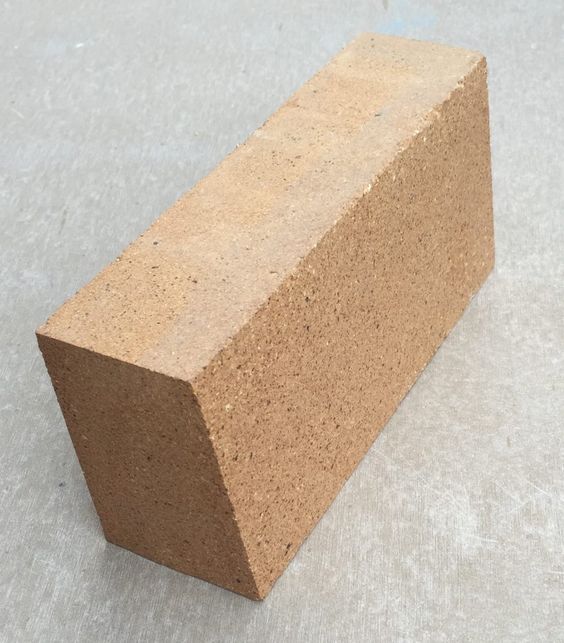
FIREBRICKS IN KENYA
Our firebricks are engineered to withstand extreme heat, ensuring lasting performance in furnaces, boilers, kilns, and incinerators. They provide superior heat resistance, mechanical strength, and energy efficiency — perfect for all high-temperature applications in Kenya and East Africa.
Firebricks in Kenya – High-Temperature Refractory Bricks
If you’re looking for firebricks in Kenya that can withstand extreme heat without cracking or crumbling, Bioflex Insulation Ltd provides the best solution. Our high-temperature firebricks are specifically designed for furnaces, boilers, incinerators, and kilns. As a result, you get superior durability, insulation, and long-term thermal performance
1. Why Choose Firebricks in Kenya from Bioflex Insulation Ltd
One of the biggest challenges contractors face is furnace failure caused by using low-quality materials. Ordinary clay bricks absorb heat and crack under stress, which reduces equipment lifespan.
However, Bioflex firebricks in Kenya are made from high-alumina materials that withstand temperatures up to 1400°C. Furthermore, they deliver low porosity, excellent insulation, and high mechanical strength—making them suitable for:.
These properties make them ideal for:
-
Industrial furnaces and kilns
-
Waste incinerators
-
Power generation boilers
-
Foundry and metal melting applications
2. The Problem They Solve
In many local industries, frequent shutdowns occur due to heat loss, cracking, and refractory erosion. These issues arise from using unsuitable materials or incorrect installation methods.
By switching to Bioflex Firebricks, you eliminate costly breakdowns, reduce energy waste, and extend the lifespan of your heating systems.
For best results, always pair your firebricks with Bioflex Refractory Cement for bonding and Bioflex Ceramic Blanket for sealing joints — ensuring a complete, heat-resistant lining solution.
3. Benefits of Using Firebricks in Kenya from Bioflex
-
Extreme temperature resistance: Handles continuous heat up to 1,700°C.
-
Improved energy efficiency: Retains and reflects heat effectively.
-
Low maintenance: Reduces downtime and repair frequency.
-
Chemical resistance: Performs well in acidic or alkaline environments.
-
Local availability: Reliable supply and support across Kenya and East Africa.
4. Installation and Usage Tips
To achieve the best results:
-
Use Bioflex Refractory Cement for all joints.
-
Avoid mixing ordinary clay bricks with refractory ones.
-
Seal gaps using Bioflex Ceramic Rope.
-
Protect the outer insulation with Aluminium Cladding Sheets to prevent mechanical and weather damage.
5. Applications
-
Cement factories
-
Food processing furnaces
-
Waste incinerators
-
Foundries and casting plants
-
Industrial ovens
6. Order from the Leading Firebrick Supplier in Kenya
Bioflex Insulation Ltd supplies certified firebricks in Kenya that meet global refractory standards.
Our technical team guides you on the right type, size, and installation method — ensuring your project delivers long-term reliability and energy efficiency.
For global refractory brick standards, refer to the Refractories Institute:
https://refractoriesinstitute.org/
FREQUENTLY ASKED QUESTIONS (FAQs)
Q1: What temperature can Bioflex firebricks withstand?
Bioflex firebricks withstand continuous temperatures up to 1400°C, making them suitable for furnaces, kilns, boilers, and incinerators.
Q2: Can I use ordinary cement to install firebricks?
No. Ordinary cement fails under heat. You should use refractory cement, which provides a strong, heat-resistant bond for firebrick installations.
Q3: What makes Bioflex firebricks better than regular bricks?
Bioflex firebricks are engineered for high-temperature strength, low porosity, and long-lasting insulation, while regular bricks crack, weaken, and lose integrity under heat.