
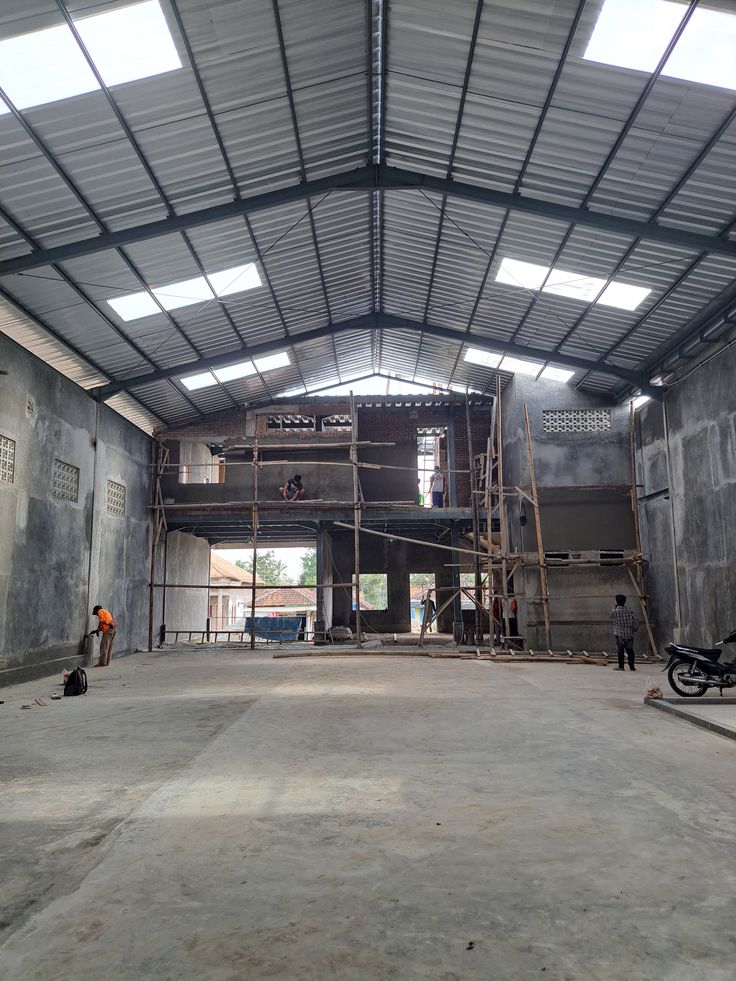
Insulation vs Heatproofing Kenya: Why the Difference Matters
Many homeowners and contractors confuse the terms insulation and heatproofing, yet they perform two very different functions. Understanding insulation vs heatproofing in Kenya helps you choose the right solution for your home, business, or industrial building. While both manage heat, insulation controls heat transfer, while heatproofing deflects or resists direct heat exposure. Knowing which one you need prevents wasted money and ensures better performance.
What Thermal Insulation Does
Thermal insulation slows down heat movement through walls, ceilings, roofs, ducts, and equipment. In Kenya’s hot climate, insulation reduces heat gain during the day and limits heat loss at night. As a result, buildings stay cooler and more comfortable. This also reduces the workload on air conditioners, refrigerators, and cooling equipment, leading to lower electricity bills.
Rockwool is one of the best insulation materials due to its strong heat resistance and soundproofing qualities:
https://bioflexinsulationlimited.co.ke/product/rockwool-insulation-rolls-boards-pipes/
What Heatproofing Does
Heatproofing focuses on resisting or reflecting intense heat from external sources. It is commonly used on metal roofs, exterior walls, and surfaces exposed to direct sunlight or industrial heat. Heatproof coatings create a reflective barrier that reduces surface temperature. However, heatproofing alone does not prevent heat transfer inside the building. This is why many structures still feel hot even after applying roof paint without adding insulation.
Insulation vs Heatproofing Kenya: Which One Should You Choose?
Choosing between insulation and heatproofing depends on your heat problems. For indoor comfort, insulation is the primary solution because it prevents heat from entering or escaping your building. However, if your roof absorbs too much sun or if you have extremely hot exterior surfaces, adding heatproofing on top of insulation enhances results.
In industrial buildings, insulation protects machinery and controls heat transfer, while heatproofing shields surfaces from direct heat exposure. Combining both methods often delivers the best results for factories, workshops, and warehouses.
Why Using Both Solutions Is Sometimes Necessary
Many people try heatproofing first and later realize the building still gets hot. This is because heatproofing reduces surface heat but does not stop heat penetration. Insulation is required to complete the process. Similarly, insulation improves comfort but performs even better when the roof surface is cooler. Therefore, combining both solutions creates a balanced energy-saving system.
Recommended Thermal Insulation Services
For a complete guide on choosing and installing the right solution, visit our main Thermal Insulation Services Kenya & East Africa page:
https://bioflexinsulationlimited.co.ke/thermal-insulation-services-kenya-east-africa/
Industry Standards and Global Insights
For global building temperature control research, review guidelines from the International Energy Agency:
https://www.iea.org/energy-efficiency
Conclusion
Understanding insulation vs heatproofing in Kenya helps property owners make better decisions based on their building needs. Insulation focuses on preventing heat transfer, while heatproofing shields surfaces from direct heat. When used together, they deliver excellent comfort, reduce energy usage, and protect building structures.
Get a Professional Quote
Call or WhatsApp: +254 722 664 867


