The Right Way to Install Firebricks in Kenya
Lining your furnace or incinerator correctly is one of the most important steps in ensuring efficiency, safety, and long service life. Yet, many facilities in Kenya unknowingly use poor materials or wrong installation techniques — leading to cracks, heat loss, and costly breakdowns.
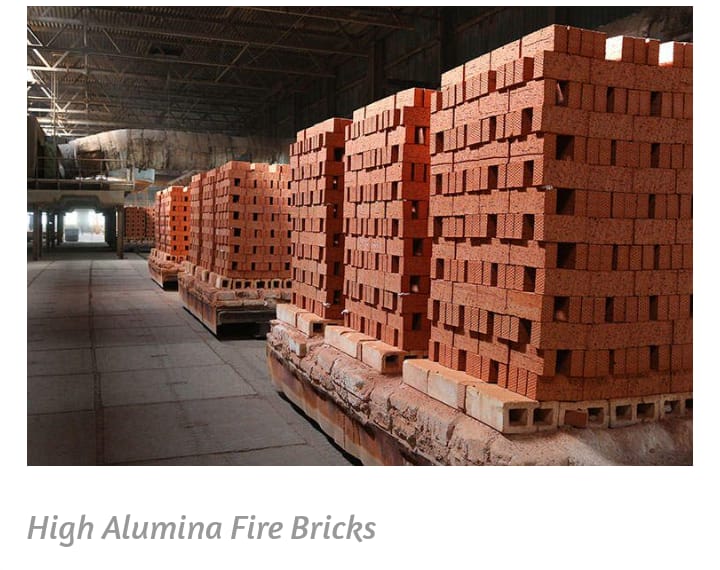
If you want lasting results, the key is to use high-quality firebricks in Kenya, paired with the right refractory cement and ceramic rope for proper sealing.
In this guide, Bioflex Insulation Ltd explains how to line your furnace professionally to withstand extreme temperatures up to 1,700°C.
1. Why the Furnace Lining Matters
Your furnace lining acts as a shield between the heat and the structure. It:
- Protects the metal shell from heat damage
- Retains internal temperature for better fuel efficiency
- Prevents chemical and thermal corrosion
- Ensures consistent heating for uniform production
Using low-quality materials or shortcuts during lining installation results in heat leakage, structural warping, and frequent repairs. That’s why every furnace should be built with certified firebricks in Kenya and supported by heat-resistant cement.
2. Materials You Need for Furnace Lining
Before starting the project, make sure you have the right materials:
| Material | Purpose |
|---|---|
| Firebricks | Main lining layer for insulation and strength |
| Refractory Cement | Heat-resistant mortar for bonding bricks |
| Ceramic Rope | Sealing material for joints and doors |
| Aluminium Cladding Sheets | External protection for insulation |
| Insulating Board or Blanket | Optional inner insulation for heat retention |
All these materials are available from Bioflex Insulation Ltd, Kenya’s trusted supplier of refractory and insulation products.
3. Step-by-Step Guide: How to Line Your Furnace Correctly
Step 1: Prepare the Surface
Clean the furnace shell thoroughly to remove debris, rust, or old refractory material. A clean surface ensures better adhesion for the firebricks.
Step 2: Mix the Refractory Cement
Use Bioflex Refractory Cement and follow the manufacturer’s mixing ratios. The cement must have the right consistency — not too thick or watery — to bond the bricks effectively under heat.
Step 3: Lay the First Course of Firebricks
Begin from the base and move upward.
Use Bioflex Firebricks in Kenya with refractory cement between joints (3–5 mm thick). Check alignment regularly to maintain even spacing.
Step 4: Build the Walls
Lay successive layers in a staggered pattern for strength. Ensure tight joints to reduce heat escape.
Avoid using ordinary cement — it will disintegrate when exposed to high temperatures.
Step 5: Seal Expansion Joints and Doors
Apply Bioflex Ceramic Rope to all gaps, furnace doors, and expansion joints. This prevents hot air from escaping and keeps the furnace pressure stable.
Step 6: Cure and Dry the Lining
Allow the furnace to dry naturally for at least 48 hours before firing. Gradual heating helps the refractory cement set and prevents cracking.
Step 7: Protect the Outer Surface
Finally, install Aluminium Cladding Sheets to protect the insulation from moisture, dust, and mechanical damage.
4. Common Mistakes to Avoid
- Using ordinary bricks instead of refractory bricks
- Mixing too much water in the refractory cement
- Skipping the curing process
- Ignoring door sealing and expansion joints
- Using poor-quality materials from unverified sources
These mistakes lead to premature failure, costly maintenance, and reduced furnace efficiency.
5. Benefits of Correct Furnace Lining
A professionally lined furnace ensures:
- Longer life span with minimal cracking
- Consistent heat performance for production efficiency
- Lower energy consumption
- Improved worker safety
- Reduced repair costs over time
That’s why industries across Kenya trust Bioflex Insulation Ltd for their furnace lining materials.
6. Where to Buy Quality Firebricks in Kenya
Whether you’re building a new furnace or repairing an existing one, Bioflex Insulation Ltd provides all the materials you need — from firebricks and refractory cement to ceramic rope and aluminium cladding sheets.
We supply across Kenya and East Africa with reliable delivery and expert technical support.
Learn more in our related article:
➡️ Why Ordinary Bricks Fail in Furnaces and How to Fix It
If you’re working on a furnace or incinerator project, choosing the right lining materials can make or break your system.
Many contractors in Kenya still use regular bricks, which quickly crack under heat. The solution is using firebricks in Kenya — high-quality refractory materials from Bioflex Insulation Ltd — that handle temperatures up to 1400°C and provide lasting protection.
This guide shows you exactly how to line your furnace or incinerator the right way using firebricks, refractory cement, and ceramic rope for professional results.
1. Why Firebricks Are Essential for Furnace Lining
Your furnace lining protects your system’s metal shell from direct flame and heat. Without proper refractory bricks, high temperatures lead to warping, cracks, and heat loss.
That’s why firebricks in Kenya are designed for:
- High heat resistance
- Thermal stability during temperature changes
- Reduced energy loss
- Durability under industrial stress
Firebricks from Bioflex Insulation Ltd give you the strength, insulation, and reliability your furnace needs to perform efficiently.
2. Materials You’ll Need
To line your furnace correctly, gather the right refractory materials:
| Material | Purpose |
|---|---|
| Firebricks | Main insulation and structural layer |
| Refractory Cement | Heat-resistant mortar for bonding bricks |
| Ceramic Rope | Flexible sealing material for joints and doors |
| Aluminium Cladding Sheets | Outer protection from weather and damage |
You can get all these products from Bioflex Insulation Ltd — a trusted insulation and refractory supplier in Kenya.
3. Step-by-Step Furnace Lining Guide
Step 1: Prepare the Surface
Clean the furnace shell to remove dust and rust before installing firebricks. A clean surface ensures strong adhesion.
Step 2: Mix the Refractory Cement
Use Bioflex Refractory Cement and mix according to the manufacturer’s ratios. This cement is specially formulated to bond firebricks under high temperatures.
Step 3: Lay the Firebricks
Use Bioflex Firebricks in Kenya and apply thin layers of refractory cement between joints (3–5 mm). Keep alignment even and avoid gaps.
Step 4: Seal the Joints
Apply Bioflex Ceramic Rope in expansion joints and around furnace doors. This prevents heat leakage and maintains temperature stability.
Step 5: Cure the Furnace
Allow the lining to dry for 48 hours, then heat gradually to strengthen the refractory bond.
Step 6: Add Outer Protection
Finish with Aluminium Cladding Sheets to protect your insulation from moisture and mechanical wear.
4. Benefits of Using Firebricks in Kenya
By using firebricks from Bioflex Insulation Ltd, you’ll enjoy:
- Longer furnace life
- Better heat retention
- Reduced energy consumption
- Safer operation under pressure
- Minimal maintenance costs
Learn more in our related article:
➡️ Why Ordinary Bricks Fail in Furnaces and How to Fix It
5. Common Mistakes to Avoid
- Using normal clay bricks instead of refractory bricks
- Mixing too much water into the cement
- Failing to cure before firing
- Skipping joint sealing with ceramic rope
Avoiding these mistakes ensures your furnace operates safely and efficiently for years.
FAQs
Q1: How thick should the firebrick lining be?
Q2: Can I use firebricks with ordinary cement?
Q3: How long should I wait before using the furnace after lining?
Conclusion
A well-lined furnace isn’t just about heat — it’s about performance, safety, and savings.
By using firebricks in Kenya from Bioflex Insulation Ltd, paired with refractory cement and ceramic rope, you ensure your furnace delivers long-term reliability and energy efficiency.
Trust Bioflex Insulation Ltd — Kenya’s leading supplier of refractory materials and insulation products — to help you build furnaces that last.